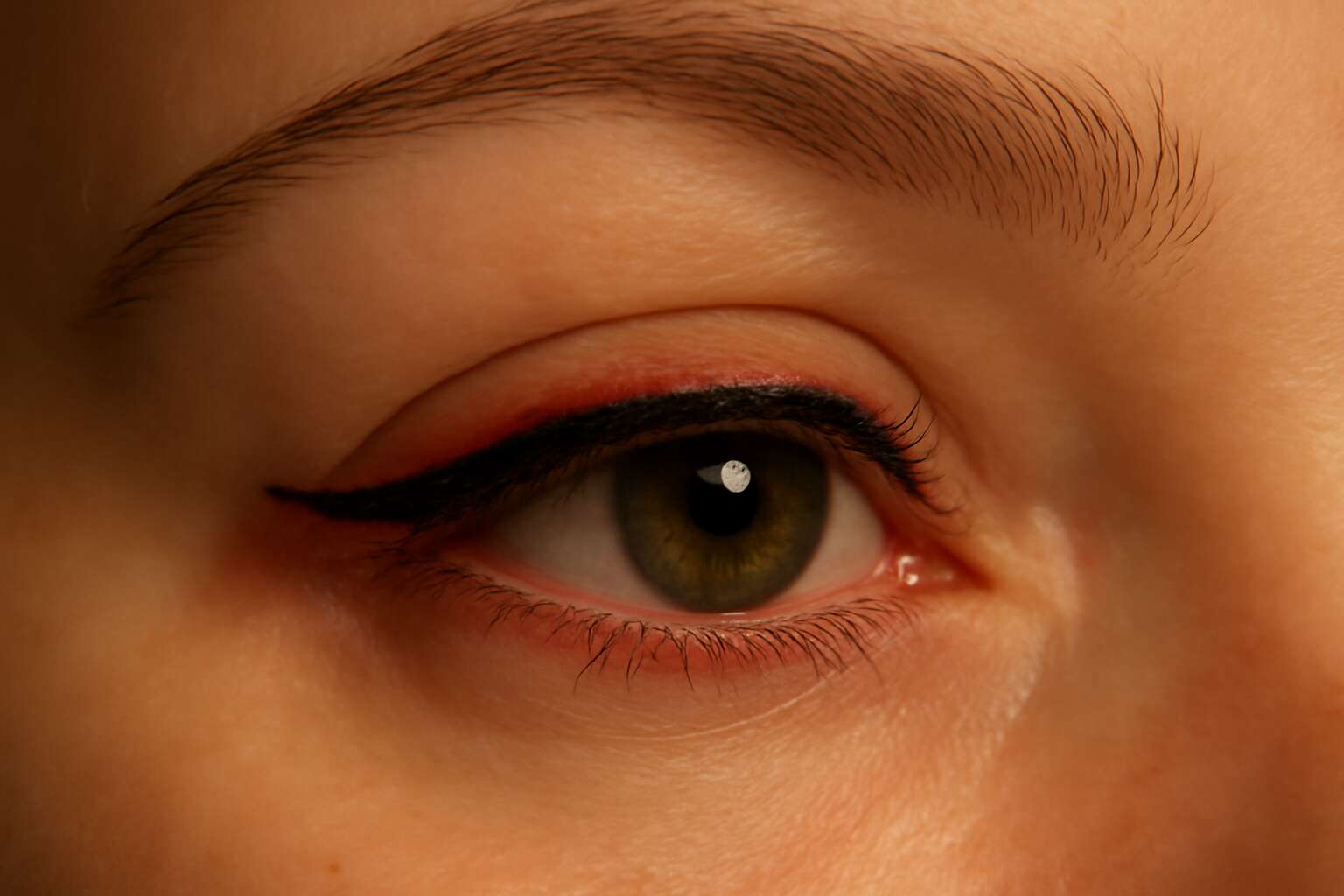
Healing Timeline and Expectations for Eyeliner Pigment
What to Expect in the First 24-48 Hours
Eyes are the first thing people notice, a South African artist once told me, and the first 24–48 hours of eyeliner tattoo recovery can set the tone for the pigment’s lasting impression!
Right after the session, the line tends to look bolder and more defined, then eases into its true hue as the skin breathes. Expect mild swelling and a touch of tenderness—the kind that keeps you mindful of the gaze rather than the makeup itself.
Here’s what tends to unfold in this window:
- Immediate intensity that softens over the next days
- A fine crust or veil that can appear glossy
- Stable shape and symmetry as healing progresses
In South Africa, observers note that the story of your pigment often follows a gentle arc, guiding your expectations for the healing timeline and overall result.
Day-by-Day Healing Timeline: Week by Week
The healing timeline for eyeliner pigment reads like a quiet confession—layers unfolding with time, not drama. In South Africa, the realm of eyeliner tattoo recovery, expectations drift from sharp to soft as the skin settles into its true hue and shape.
Week-by-week, the pigment tells a hesitant story. After the first week, you may notice the line remaining distinctly present while edges blur slightly; by week two, the pigment tends to harmonise with the eyelid’s natural contours; week three often reveals the final, settled impression.
- Week 1: the immediate impression remains bold but begins to soften.
- Week 2: lines and symmetry stabilise as the skin heals.
- Week 3: the hue settles into its lasting identity.
Factors That Affect Healing Time (skin type, age, technique)
In the theatre of pigment, eyeliner settles like a well-bred guest—graceful, but slow to reveal its true mood. A telling stat from South Africa’s studios: most clients report the line softens and harmonises with the eyelid over a few weeks, not in a single act. Eyeliner tattoo recovery, therefore, plays out in patient, almost philosophical, layers.
Three factors shape the healing tempo more than any other:
- Skin type
- Age
- Technique
Each cast a subtle spell: drier skin may drink the pigment quicker; younger skin snaps back differently than mature skin; and the method used—whether a soft handheld stroke or a more deliberate machine approach—leaves a lasting trace on texture and tone. The result is a pigment story that leans into the eyelid’s natural contours, a choreography of color rather than a shout.
That is the cadence of eyeliner tattoo recovery in practice, a quiet agreement between art and epidermis, where expectations drift toward restraint as the hue settles.
Signs of Proper Healing vs Potential Complications
Across South Africa, the mood of pigment unfolds slowly. In countless studios, clients report the line softens and harmonises with the eyelid over a few weeks—a gentle crescendo rather than a single, blinding moment. This is the essence of eyeliner tattoo recovery: a patient, almost philosophical arc in which color settles into the eyelid’s natural contour.
Signs of proper healing emerge as the pigment finds its rhythm.
- Color appears even and balanced along the lash line.
- Edges soften and align with the lid’s natural texture.
- Crusting is light and exfoliates evenly without cracking.
Watch for red flags: persistent redness or swelling after day two, unusual warmth, or color migration beyond the original line. The tonal story tends toward balanced harmony rather than a sudden sprint to saturation.
Aftercare Protocols to Speed Up Healing
Immediate Aftercare Steps Right After Procedure
Within the first breath after the needle has sung its quiet poem on the eyelid, the healing orchestra begins. A telling stat whispers through studios—60 percent of pigment retention owes its fate to those early hours. That moment is the hinge of eyeliner tattoo recovery, where calm, not haste, becomes your best makeup. The look you wake to tomorrow in South Africa starts with patient, protective care and a mindset sharpened by observation and trust.
During this delicate phase, the eyeliner tattoo recovery approach is gentle and observant. Consider guiding principles as you cradle the process:
- Preserve a tranquil, dry aura around the eye in the hours that follow
- Avoid rubbing, scratching, or exposing the area to abrasive products
- Shield from bright sun and wind, letting pigment settle with quiet resilience
There is poetry in the slow healing that follows, a reminder that the eye keeps its diary of recovery.
Cleaning and Moisturizing Guidelines
Patience does its own healing in the days after eyeliner tattoo recovery, and the quiet pace can speed the story along. In South African studios, clients notice that gentler cleansing and light moisturising help the pigment settle with less irritation, turning anxiety into ease.
Guiding principles for cleaning and moisturizing survive the rough edges of a busy life:
- Use a mild, fragrance-free cleanser and avoid rubbing the eye area
- Pat dry gently with a clean tissue and refrain from pressing or picking
- Shield from sun and wind and apply a thin, artist-approved moisture layer
In the days that follow, the eye’s diary keeps telling the tale of patient care and quiet trust. The result is a softer line and lasting depth that feels as lasting as a well-worn riverbed.
When to Avoid Makeup or Eye Rubbing
Across South Africa, clinics notice a surprising pattern: the calmer the healing environment, the smoother the eyeliner tattoo recovery. Clients report less swelling and quicker settling of pigment when the eye area is allowed to rest. The takeaway is simple: quiet healing creates depth that lasts, not just a momentary pop of colour.
When it comes to makeup and eye rubbing, patience is part of the protocol. Temporary avoidance of makeup near the lash line and hands-off habits protect the delicate pigment and reduce irritation. A gentle shield against wind and dust helps the ink settle with less friction—and less worry. This careful approach supports the healing process, allowing the line to soften into lasting depth.
Sunscreen and Sun Exposure During Healing
Across South Africa, clinics report a striking fact: when the healing window is shielded from harsh light, eyeliner tattoo recovery tends to unfold with grace. A regional snapshot shows roughly a 70% improvement in pigment settling when sun exposure is tamed in the early weeks.
Sunlight can scatter delicate pigment as it nests in the skin. A broad-spectrum sunscreen acts as a radiant shield, while a wide-brim hat and shaded corners keep the eye area calm and the color crisp. All of this supports eyeliner tattoo recovery by reducing irritation and uneven fading.
In the South African sun, protection is more than fashion—it is a quiet ritual of healing. Gentle, built environments and windless hours let the ink settle into lasting depth.
Activity Restrictions (water, sweat, swimming)
Sunlight is a quiet saboteur in the healing process, and SA clinics report a dramatic difference when the healing window stays out of harsh light. For eyeliner tattoo recovery, keeping moisture in check and embracing gentler routines matters more than dramatic changes. In practice, limiting moisture and sweat in the early days can smooth ink settling and reduce irritation.
Consider these broad restrictions, presented as categories rather than strict rules:
- Water exposure that soaks the area.
- Sweat-heavy activities that rub or heat the skin.
- Swimming and chlorinated pools or saltwater.
These factors can influence how quickly the ink settles.
Across SA’s warm seasons, a calm routine—less water, less friction, more shade—lets pigment settle deeper and crisper.
Identifying Normal vs Concerning Symptoms
Common Symptoms in Early Healing (crusting, swelling, minor itching)
An eclipse of patience marks the first week of eyeliner tattoo recovery; crusting is normal, not a horror show. In South Africa’s clinics, I watch the eyelid’s night-bloom with a wary smile, feeling pigment settle as the edges tighten and the look deepens.
- Crusting along the line, slight and dry
- Mild swelling that fades within days
- Gentle itching or tenderness
Concerning signs would be excessive swelling, intense pain, or bright red warmth—if these appear, consult a professional promptly. For most, this early phase is a patient vigil; the transformation is part of the eyeliner tattoo recovery journey.
Red Flags: Infection, Allergic Reactions, or Pigment Shifts
Across South Africa, roughly 10% of clients notice red flags during eyeliner tattoo recovery, turning everyday swelling into a mini cliffhanger. The look stabilizes as pigment settles, but the body sometimes signals louder than expected—and spotting these signals is part art, part anatomy.
Red-flag categories to distinguish in the early days of recovery:
- Infection: increasing redness, warmth, pus, or feverish sensation near the eye
- Allergic reactions: intense itching, swelling beyond the lid line, blistering or gritty sensation
- Pigment shifts: uneven colour, patches that fade unevenly or drift in hue
Recognising these cues is part of the ritual of care in the journey, a nod to science over folklore.
Pain Management and Safe Medications
Across South Africa, about 1 in 10 people report some discomfort during eyeliner tattoo recovery—a quiet, persistent reminder that healing is a practice of patience. In that first wave, tender eyelids and a gentle throbbing are common as pigment settles. Listening to your body here is a form of care, not complaint; resilience grows with time and restraint.
- Cold compresses in short bursts to ease swelling
- Keep the head elevated during rest to support healing
- Avoid rubbing the eye area and maintain clean hands
When pain is persistent or seems unusual, consult a clinician before taking any medication. Safe options sometimes considered include paracetamol (acetaminophen) or ibuprofen, chosen with regard to medical history and potential interactions. Aspirin should be avoided around eye procedures unless advised otherwise.
Long-Term Color Retention and Touch-Ups
Color Retention: How Pigment Settles Over Time
Across SA, eyeliner tattoo recovery stories read like nocturnes etched on skin. A recent studio poll suggests more than half observe pigment softening within the first year, a haunting reminder that color travels with time. The initial strike remains, yet the hue slowly sighs into a subtler edge.
Color retention unfurls slowly as pigment settles in the dermis, its mood shaped by the client’s skin and the ink’s own temperament. Listen to these influences:
- Sun exposure and lifestyle
- Skin undertone and depth
- Ink particle size and quality
In the recovery arc, color remains a whisper for some, while others watch it drift toward a duskier edge as the years drift by; a discreet touch-up is often whispered as part of the pigment’s evolution.
Frequency of Refreshers and Touch-Ups
In eyeliner tattoo recovery, the long view of color is a patient drama etched in pigment. The initial strike remains bold, yet the hue eases into a subtler edge as months pass. Long-term color retention reveals itself as pigment settles in the dermis, its mood shaped by the canvas beneath and the ink’s own temperament. Across SA studios, the language is lyrical: a look that stays refined, not fixed, as time writes its soft signature on the lid line.
Touch-ups are not a rigid timetable but a measured conversation between artist and client, a cadence that surfaces as the color evolves.
- Refinement cadence guided by artistic direction
- Evolution of edges from crisp to nuanced
- Decisions around pigment density and layering for consistency
In this quiet choreography, color holds ground with grace, allowing the look to remain contemporary as the years drift by.
How Different Pigment Colors Fade Differently
Color remembers where it’s laid—an enduring footprint on the lid that stays with you through seasons and sun. In eyeliner tattoo recovery, the long view reveals color that settles in the dermis, a quiet drama of shade and memory. The initial strike remains bold, yet the hue eases into a subtler edge as months drift by, influenced by skin undertone and sun exposure.
- Black and brown tones tend to hold depth longer, then lighten to a soft ash with sun exposure.
- Cool blues and greens can shift toward slate or teal over time.
- Warm reds and berry tones may fade unevenly, often losing brightness first at the outer edge.
- Violet and plum pigments often mellow into gentle taupe or mauve hues.
Across studios in South Africa, touch-ups unfold as a measured dialogue rather than a fixed timetable, with pigment density and layering adjusted to keep the line fresh yet timeless.
Maintenance Routine for Longevity
For eyeliner tattoo recovery, long-term color retention hinges on a measured maintenance mindset. After the initial healing, pigment settles in the dermis and the line shifts from bold to softly defined. In South Africa’s sun-soaked climate, color can fade to a gentler edge as seasons turn, yet the look remains timeless with a careful plan that respects the pigment’s memory and your skin’s pace.
- Studio-driven adjustments to pigment density and layering over time
- Sun exposure and undertone considerations that influence color stability
- Lifestyle factors that shape how often refreshers are discussed
These factors drive a quiet, ongoing conversation about longevity rather than a fixed timetable. The result is a refined line that holds its character while evolving with you in the years ahead.
Safety, Hygiene, and Myths
Choosing a Licensed Technician and Safety Standards
Safety anchors eyeliner tattoo recovery in a realm where pigment meets pristine practice. In South Africa, licensed technicians and sterile studios are non-negotiable baselines. The room hums with clinical precision, and every needle is a single-use visitor to the eye’s delicate theater.
- Licensed technician with current credentials
- Single-use, sealed tools
- Sterile, clean room and proper waste disposal
Hygiene is the quiet creed guarding the eye’s frontier. Expect strict hand hygiene, gloves changed between clients, and surfaces wiped with vetted disinfectants. Cross-contamination is the oldest ghost—banish it with orderly, traceable processes and documented sterilization practices, not merely good intentions.
Myth-busting time: rumors that ‘cosmetic’ equals risk-free should be shelved. The safest path begins with a licensed technician, a transparent portfolio, and adherence to established safety standards—autoclaved tools, sealed tips, and clean-room diligence.
Hygiene Practices in the Studio and Aftercare
In the studio, safety is the frontline guard for eyeliner tattoo recovery. In South Africa, a licensed technician with current credentials, single-use tools, and a sterile room are non-negotiables. The room hums with clinical precision, every needle a single-use visitor to the eye’s delicate theatre.
Hygiene is the quiet creed guarding the eye’s frontier. Expect strict hand hygiene, gloves changed between clients, surfaces wiped with vetted disinfectants. Cross-contamination is the oldest ghost—banish it with orderly, traceable processes and documented sterilization practices, not merely good intentions.
- Hand hygiene discipline and glove changes between clients
- Single-use, sterile tools policy
- Disinfection protocol and clean surfaces
Myth-busting time: rumors that ‘cosmetic’ equals risk-free should be shelved. The safest path begins with a licensed technician, a transparent portfolio, and adherence to established safety standards—autoclaved tools, sealed tips, and clean-room diligence, both in the studio and in aftercare.
Debunking Myths About Eyeliner Tattoos
Safety isn’t a garnish; it’s the main act in the eye theatre. In eyeliner tattoo recovery, a robust hygiene standard is non-negotiable. Industry chatter estimates roughly 30% of early recovery complications trace to hygiene gaps; a seasoned technician quips, ‘sterility is sexy’—and the joke lands, because secure beauty lasts.
Hygiene in the studio is the quiet creed guarding the eye’s frontier. In South Africa, the standard is clinical precision and a sterile room—no exceptions. Here are quick truths that survive the myths:
- Cosmetic doesn’t equal risk-free — licensed techs and proper sterilization matter.
- Documented workflows beat good intentions every time.
- Daily clean-room discipline keeps pigment exactly where it belongs.
Debunking myths: ‘cosmetic equals risk-free’ is fantasy. Myth: eyeliner tattoo recovery thrives on safety standards, not bravado.



0 Comments