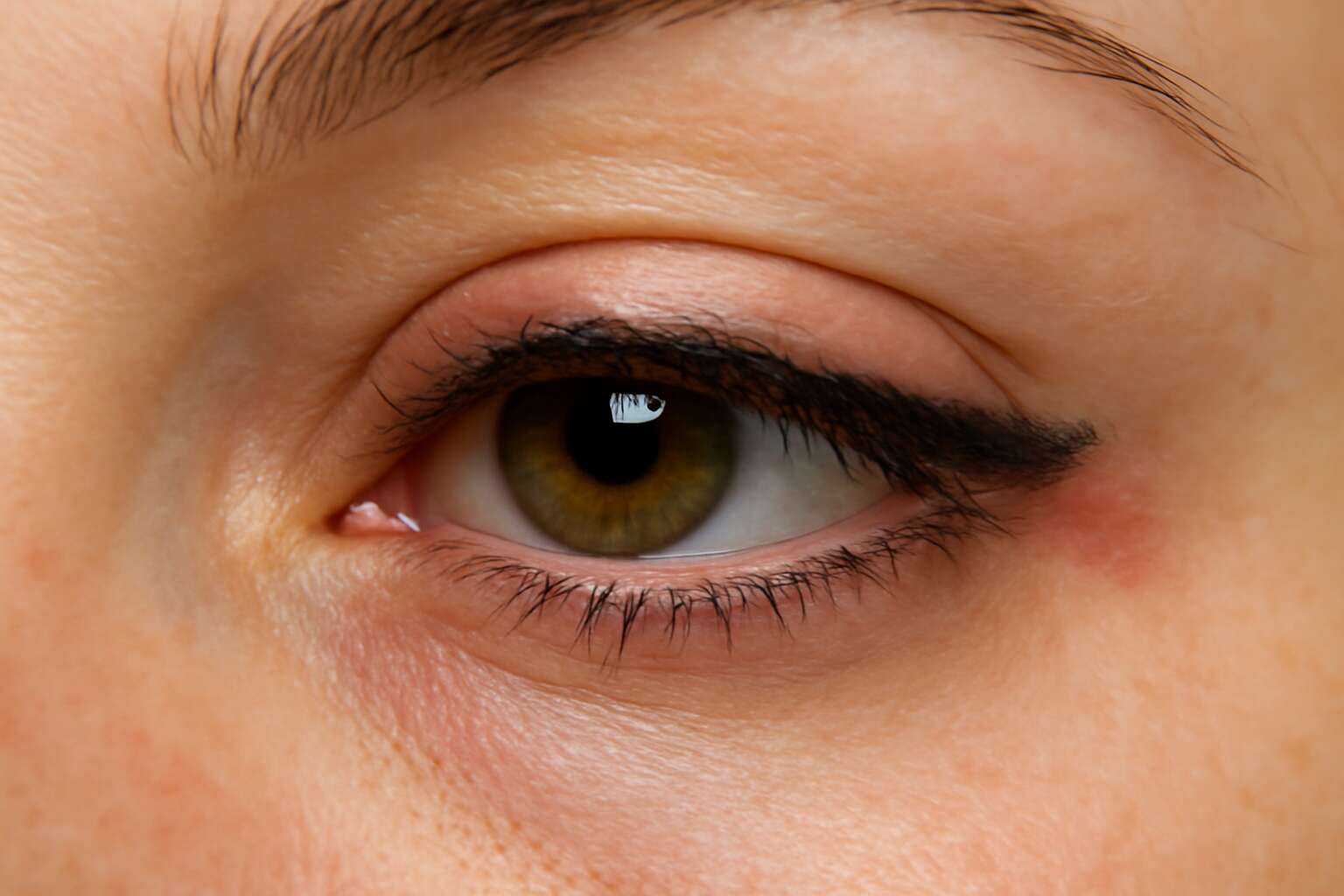
Understanding risks and complications of permanent eyeliner
Eye health risks and potential allergic reactions
Eye health risks surround cosmetic tattooing, and the line between confidence and complication is thin. Understanding the problems with permanent eyeliner means recognizing how pigments, technicians, and aftercare choices can influence outcomes—from minor irritation to lasting discoloration. The risk spectrum includes allergic reactions, infections, pigment migration, and unpredictable fading that can shift the appearance over time!
Eye health risks and potential allergic reactions can surface even years after the procedure. Allergic reactions to pigment components may appear as itching, redness, or swelling, while infections signal a breach in sterile technique or compromised aftercare.
- allergic reactions to pigment components
- infection from non-sterile tools or poor aftercare
- pigment migration or color shifts that alter symmetry
In South Africa, climate and sunlight can influence how pigment behaves, contributing to unexpected results. The topic remains contested because outcomes vary widely, and the appearance can shift with age and exposure.
Infection risks and signs to watch for
Beauty that lasts can feel like a vow, but the truth hides in the margins. The problems with permanent eyeliner often reveal themselves years after the glow fades, when pigments drift and lines misbehave. The story tightens as pigments, technicians, and aftercare choices collide, turning a crisp lash-line into a puzzling silhouette.
Infection risks loom where sterile technique falters or aftercare is neglected. Signs to watch for include new warmth around the treated area, unusual discharge, or crusting that won’t clear.
- purulent discharge or crusting at the lash line
- increasing warmth or tenderness around the area
- fever or general malaise
In South Africa, intense sunlight and climate can influence how pigment behaves, contributing to unexpected shifts as the years pass. The outcome remains unpredictable, a reminder that appearance can drift with age and exposure.
Pigment allergies and patch testing importance
Ink that vows to stay can still surprise you. Confronting problems with permanent eyeliner means asking the right questions before ink meets skin, especially about pigment safety and patch testing. In the right hands, the promise survives the test of time and light.
Pigment allergies can hide in plain sight, appearing years after a first blush of confidence. Patch testing isn’t a ritual—it’s a shield that helps map potential reactions before any ink is laid down.
Consider these factors that shape outcomes:
- Pigment composition and potential allergens
- Artist hygiene, equipment sterility, and the studio’s standards
- Sun exposure and skin chemistry over years
In a climate like South Africa’s, light and heat can tilt pigment behavior, turning crisp edges into more fluid silhouettes. The possibility reminds that permanence is a negotiation, not a guarantee.
Healing stages and aftercare requirements
Every eyelid wears a vow, and time keeps its own grim catalog. “Permanence wears thin where the sun bites,” a client once whispered, and I nodded. The reality of problems with permanent eyeliner is not a glitch but a weathered truth—edges soften, colors wander, shadows linger in the light of day, especially under South Africa’s relentless glare.
Healing unfolds in a patient arc. The first days bring tenderness; weeks may reveal crusting and uneven tone as the pigment settles into the skin. Months later, the true character surfaces—sometimes altered by heat, sun, and the skin’s stubborn chemistry.
Aftercare is a quiet pact between body and pigment, a ritual of patience that shields longevity not from miracles, but from time’s patient gnawing.
Fading, color changes, and unpredictable results
Understanding risks and complications of permanent eyeliner reveals that fading and color changes are not mere quirks but weathered truths. In the South African glare, pigments can soften, drift toward tones that flatter in theory yet mislead in daylight, or vanish where the sun achieves a ruthless cameo. The term “problems with permanent eyeliner” surfaces in clinics as a sober reminder that no brow-stroke is entirely future-proof, and results can be unpredictable.
- Fading and color changes occur unevenly as skin chemistry and sun exposure rewrite pigment over time.
- Shifts in undertone or haloing shadows can leave the gaze with an unintended accent—sometimes cool, sometimes warm.
- Unpredictable results may surface months later, as the original impression drifts with the seasons and daily light.
Even so, these dynamics remind us that permanence is a negotiation between pigment, sun, and skin—an alliance as fickle as fashion and as enduring as memory.
Common aesthetic and performance issues with permanent eyeliner
Blurring, smudging, and halo effects
In the realm of cosmetic permanence, many clients encounter a shifting, almost magical display around the eyes. A surprising 30% report pigment shifting within the first year. These are classic problems with permanent eyeliner that shake confidence as the skin settles and light shifts the pigment. What begins as a crisp lash line can blur into a softer smudge, or take on a stubborn bluish hue, leaving the original design feeling less than a dream. In South Africa, sun and day-to-day oils can speed changes, too.
Here are common manifestations you might notice:
- Blurring along the lash line, softening the edge
- Smudging toward the inner or outer corners
- Halo effects creating a pale ring around the eye
- Feathering or uneven pigmentation at the ends
Such aesthetic drift can prompt new debates about shaping and maintenance, a reminder of the ongoing dialogue about problems with permanent eyeliner.
Uneven lines, asymmetry, and shape distortion
That crisp lash line you left the chair with can drift into a stubborn echo as skin settles and facial movement refracts the pigment. These drifting outcomes are classic problems with permanent eyeliner. The result reads less like a precise design and more like a story that refuses to end on a straight line.
Uneven lines, asymmetry, and shape distortion crop up as the eye settles. When the technique skews against the natural eyelid curve, the illusion of balance slips. In South Africa, the sun and heat can accentuate drift, turning a once-ordered lash line into a softer, uneven silhouette.
- Uneven spacing along the lash line
- Asymmetrical tails and outer corners
- Shape distortion that doesn’t mirror the opposite eye
Color drift and long-term tonal changes
Color drift isn’t a dramatic headline, but it has staying power. A client joked, “permanent eyeliner is permanent in the plot twists.” In practice, color drift and long-term tonal changes are classic problems with permanent eyeliner that can turn a crisp lash line into a warmer, unpredictable wash.
In South Africa, sun and heat can accentuate shifts. Here are the common drift manifestations:
- Blue undertones along the lash
- Greying or browning of the line
- Uneven saturation with movement
Color drift and tonal changes remind us that permanence is a shifting art, not a guarantee.
Migration into eyelids or the waterline
Sun-scorched mornings in SA remind that permanent makeup isn’t immune to climate. A surprising stat from industry chatter suggests up to 60% of clients notice pigment migration within the first year. Migration into eyelids or the waterline is a common aesthetic risk that can turn a crisp lash line into a wandering smear. I’ve watched how heat and sweat soften the edge, shifting expectations in real time, a reminder of the problems with permanent eyeliner!
- Migration into the eyelids, blurring the intended lash edge
- Migration toward the waterline, altering the eye’s inner rim
These manifestations are quintessential problems with permanent eyeliner, a reminder that the art remains a shifting target. The pigment can settle unevenly as facial movement, skin texture, and sweat tug at it, leaving a look that isn’t as defined as promised.
Longevity expectations and touch-up considerations
Longevity isn’t eternal, and South Africa’s sun-scorched climate makes permanent eyeliner feel like a gamble. These problems with permanent eyeliner surface when pigment shifts with movement and season changes. Clients report edges that drift as sweat evaporates, turning a crisp lash line into a softer boundary. Permanence yields to time, proving even the sharpest stroke isn’t immune.
Several factors influence how long the result lasts. Consider these longevity drivers:
- Skin type and oiliness
- Pigment depth
- Sun exposure
- Facial aging and movement
- Technique and practitioner skill
Touch-up considerations are a quiet companion to the journey; these problems with permanent eyeliner are a quiet reminder that time reshapes the look. Many clients learn that a future refresh becomes part of the process, as colors drift and lines soften with age. Costs and clinic availability vary, and permanent eyeliner is never truly immune to time.
Safety, hygiene, and professional qualifications
Licensure, certification, and choosing a licensed artist
The quiet guard of beauty is safety. A veteran SA artist once whispered, “Safety is the pigment that never fades.” That hook anchors our trust—proper safety and hygiene are your first shield against problems with permanent eyeliner.
Hygiene and infection prevention sit at the heart of every session: sterile tools, disposable tips, and meticulous hand-scrubbing. In South Africa, insist on studios that publish sterilization logs and barrier protections before you sit in the chair. This vigilance protects your investment and reduces risk on the day of your procedure.
- Verify local licensing and business credentials
- Ask for certification in sanitation and hygiene and proof of insurance
- Review the artist’s portfolio and aftercare guidance
Licensure and certification signal a practitioner’s commitment to safety and reliable results. Choose a licensed artist who openly shares hygiene practices, uses sterile equipment, and adheres to clean-room standards in a registered studio across the country.
Sterilization, disposable tools, and infection control
Safety is the quiet guard of beauty, and in permanent makeup it wears a sharp mask. In South Africa, the right studio isn’t just stylish—it publishes sterilization logs, uses disposable tips, and insists on meticulous hand-scrubbing. Cleanliness isn’t optional ornament; it’s the first shield against complications and infections. A licensed artist who treats hygiene like a sacred pigment is less likely to blur the line between art and catastrophe. That vigilance safeguards you from problems with permanent eyeliner.
Look for verified licensure and solid sanitation credentials before you commit. A portfolio that shows consistent results and clear aftercare guidelines signals professionalism. The right studio will support safety with transparent practices:
- Sterilization logs available for review
- Single-use, sterile tools and tips
- Barrier protections and clean-room standards
- Insurance proof and professional qualifications
With safety, hygiene, and qualifications aligned, you minimize problems with permanent eyeliner.
Comprehensive consultation and informed consent
One lapse can linger for years, turning a confident line into a lifelong reminder. Safety isn’t flashy; it’s the quiet hinge on which permanent makeup turns into trust. In South Africa, studios that uphold hygiene and professional qualifications distinguish themselves, and a comprehensive consultation plus informed consent begins your journey with clarity about problems with permanent eyeliner.
During the comprehensive consultation, review your medical history and allergies, discuss realistic outcomes, and establish a clear framework for consent.
- Medical history and allergy screening
- Explicit risk disclosure and informed consent
- Realistic outcomes and timing of pigment settling
These steps create a shield against miscommunication and misaligned expectations. When safety, hygiene, and professional qualifications align, outcomes feel less like chance and more like deliberate art—and the risk of problems with permanent eyeliner drops as you place your trust in the right hands.
Patch testing and allergen screening
Safety is not a luxury; it’s the quiet hinge on which trust turns. In South Africa, studios that blend hygiene discipline with professional credentials turn routine procedures into a safeguard for your eyes. Patch testing and allergen screening begin the relationship, sifting out sensitivities before pigment touches the skin. The result is a calm, informed consultation where protection leads and artistry follows.
Sterile, disposable tools and a spotless workspace are baseline expectations—no compromises. When these standards are observed, the transition from sketch to line feels deliberate, not left to chance. This framework helps avoid problems with permanent eyeliner.
Pre-procedure planning and medical considerations
Safety isn’t a luxury; it’s the hinge on which trust turns. In South Africa, studios pair rigorous hygiene with solid credentials to shield your eyes from the outset. Planning matters and helps avert problems with permanent eyeliner.
Pre-procedure planning starts with your medical story: allergies, skin conditions, autoimmune issues, and medications (especially anticoagulants or eye drops). If something could compromise healing or pigment behavior, GP or ophthalmologist clearance counts. Clear communication about contact lens use and recent eye infections keeps the session on track.
Professional qualifications and hygiene standards are non-negotiable.
- Licensure and credentials verified
- Sterile, disposable tools and clean environment
- Thorough medical history review and informed consent
By front-loading safety and planning, you minimize the risk and set expectations for longevity and maintenance.
Maintenance, removal options, and alternatives
Aftercare guidelines and recovery timeline
For many rural South Africans, maintenance of eyeliner is a yearly ritual, balancing fading pigment with fresh lines. If you’re worried about problems with permanent eyeliner, establish clear expectations with your artist to keep results honest and manageable.
Removal options vary: laser sessions can lighten stubborn pigment but may require downtime; topical lightening solutions are another route but need close professional supervision. Seek a licensed practitioner to weigh risks and costs.
Alternatives give a gentler path: high-quality cosmetic pencils, temporary liners, or subtle powder effects that wash away with makeup. They offer flexibility for changing tastes and skin reactions without permanent commitment.
For aftercare, and the recovery timeline, follow these guidelines:
- Keep area clean and dry for 24–48 hours.
- Avoid sun, sweating, and makeup on the area during healing.
- Apply only prescribed ointment as directed by your clinician.
- Expect redness and light scabbing that fades in 1–2 weeks.
Recognizing and responding to complications
The mirror keeps score—seasons change, and so can pigment. For many South Africans, maintenance is a yearly reckoning with lines that fade or shift. If you’re grappling with problems with permanent eyeliner, honest conversations with your artist set expectations and protect your investment.
Maintenance often becomes a ritual: light touch-ups, color drift checks, and a plan that fits evolving tastes and skin.
- Laser sessions can lighten stubborn pigment but may require downtime.
- Topical lightening solutions exist, but require close professional supervision.
Alternatives offer a gentler path: high-quality cosmetic pencils, temporary liners, or subtle powder effects that wash away with makeup, letting you change style without permanent commitment.
Recognizing and responding to complications means watching for sudden color shifts, excessive swelling, or infection signs, and consulting a licensed practitioner promptly to reassess your options.
Removal options: laser, saline, and pigment lightening methods
Maintenance settles in as the seasons roll by and pigment drifts with the breeze. For many South Africans, a yearly touch-up becomes a ritual—an honest check on what stays put and what slides. If you’re grappling with problems with permanent eyeliner, frank conversations with your artist help reset expectations and protect your investment.
Removal options: laser, saline, and pigment lightening methods offer paths back to a softer line.
- Laser-based lightening with controlled energy to fade pigment.
- Saline removal lifts color through a gentle solution.
- Pigment-lightening methods break down color before careful cleansing.
Alternatives offer a gentler path: high-quality cosmetic pencils, temporary liners, or subtle powder effects that wash away with makeup, letting you change style without permanent commitment. It’s the kind of flexibility that keeps the eyes expressive without locking you in.
Potential scarring or pigment changes over time
In South Africa, maintenance drifts with the seasons, and a line that looks crisp today may soften tomorrow. “Permanent isn’t permanent,” as one artist likes to quip, reminding clients that choices are part of upkeep. If you’re dealing with problems with permanent eyeliner, you’re not alone—color can drift and edges soften in daylight.
Maintenance becomes a yearly ritual for many, with touch-ups fading into new tones over time. Some notice scarring or pigment changes, especially after sun exposure. A frank check-in with your artist helps reset expectations and protect your investment.
Removal options: laser, saline, and pigment-lightening offer paths back to a softer line. Energy settings and healing times matter; skilled practitioners minimize risks, but some scarring or halo effects can occur if techniques aren’t careful.
- Laser-based lightening
- Saline removal
- Pigment-lightening methods
Alternatives offer a gentler path: quality cosmetic pencils, temporary liners, or subtle powder effects that wash away with makeup.
Alternatives to permanent eyeliner (semi-permanent makeup and related options)
“Permanent isn’t permanent,” a South African artist likes to say, and the truth lands like morning light on calm water. In SA, maintenance drifts with the seasons; a line that looks crisp today may soften tomorrow. In my practice, dealing with problems with permanent eyeliner is common—edges blur in daylight and color can drift, a reminder that artistry is a living conversation with skin.
Removal options: Laser-based lightening, saline removal, and pigment-lightening methods offer paths back to a softer line.
- Laser-based lightening
- Saline removal
- Pigment-lightening methods
Energy settings and healing times matter; skilled practitioners minimize risks, but scarring or halo effects can occur if techniques aren’t careful.
Alternatives to permanent eyeliner, including semi-permanent makeup and related options, provide a gentler path: quality cosmetic pencils, temporary liners, or subtle powder effects that wash away with makeup. These choices let you explore shape and intensity with less commitment while retaining a touch of magic in daily routines.

0 Comments