Understanding Cosmetic Tattooing
What Is Cosmetic Tattooing?
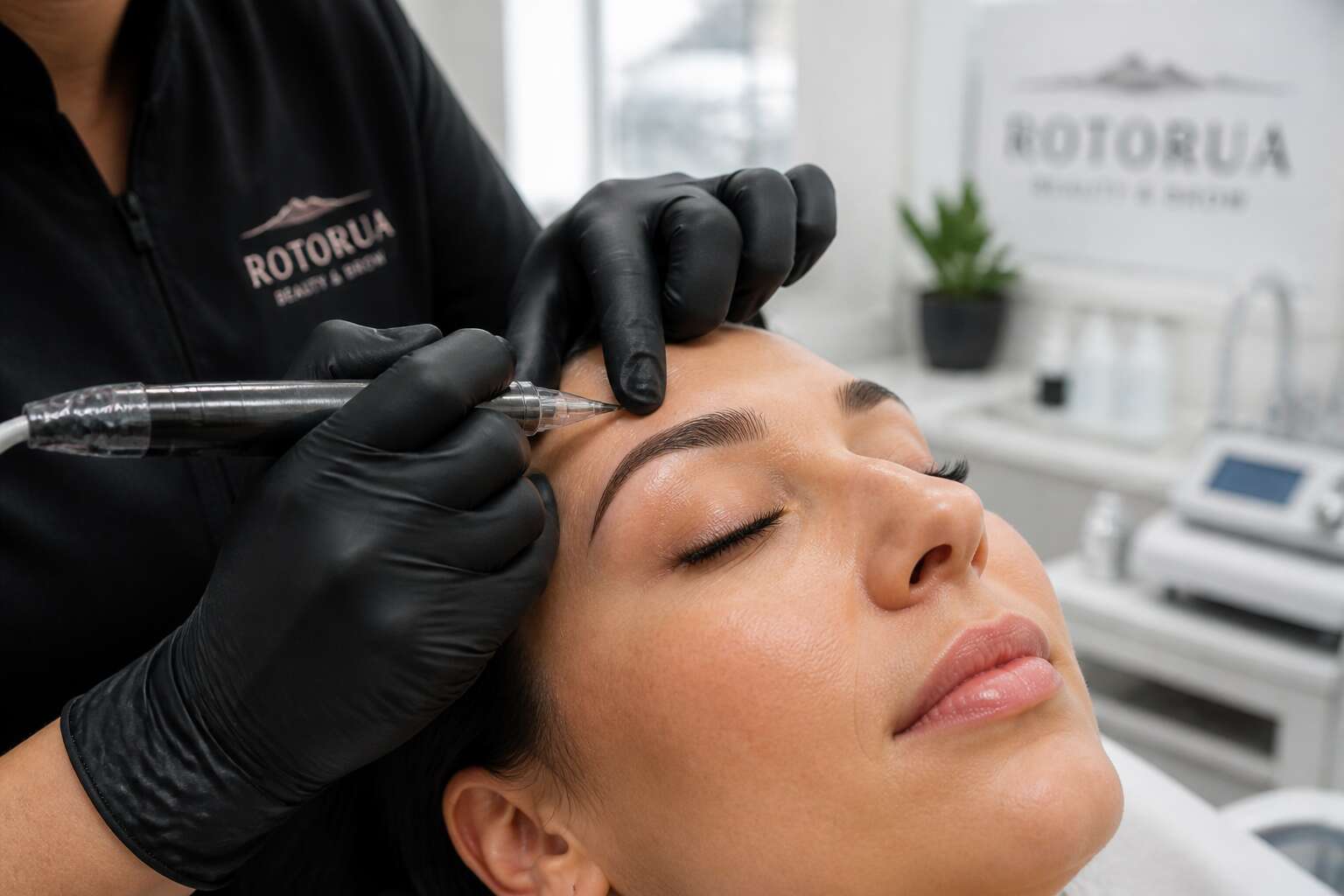
Your morning routine shortens by fifteen minutes when your eyebrows are already shaped and defined! That is the quiet promise of cosmetic tattooing, a discipline that deposits pigment into the dermal layer to enhance features like lips, eyes, and brows.
Unlike body art, this technique uses lighter strokes and specialized pigments that fade gracefully over one to three years. For those exploring cosmetic tattoo rotorua offers a surprising depth of expertise, with technicians trained in microblading and shading.
Common procedures include:
- Eyebrow embroidery for natural fullness
- Eyeliner tattooing for definition
- Lip blush for subtle color
Each session begins with a consultation to map your facial symmetry and select pigment undertones. I find this precision remarkable. The result is semi-permanent rather than permanent, offering flexibility as trends and skin tones evolve.
Common Types: Eyebrows, Lips, and Eyeliner
Three disciplines dominate cosmetic tattooing, and each demands a different hand. Eyebrow work requires featherlight pressure to replicate hair growth patterns. Lip procedures hinge on colour theory, choosing pigments that warm the face without shouting. Eyeliner tattooing needs steady strokes along the lash margin, a task requiring absolute confidence.
- Eyebrows: hair-by-hair strokes or soft powder shading
- Lips: blush tints that evolve over days
- Eyeliner: precise tight-lining for natural depth
Technicians in cosmetic tattoo rotorua clinics study skin undertones and bone structure before recommending a path. I have watched this consultation process transform uncertainty into clarity. Each method serves a distinct purpose, and the decision rests on your features.
How It Differs from Traditional Tattoos
Most cosmetic tattoo rotorua clients expect a touch up within two years, a timeline no traditional tattoo artist would ever offer. The difference lies in how deep the needle goes. Traditional ink reaches the dermis, where it stays for decades. Cosmetic pigment sits in the upper layers, slowly breaking down as your skin renews itself.
- Traditional ink: permanent, bold, unapologetic
- Cosmetic pigment: temporary, subtle, apologetic
- Removal: laser for one, patience for the other
This is not a rebellion. It is a negotiation. The pigment particles are smaller, the strokes are lighter, and the entire process respects the fact that eyebrows should not last as long as a traditional tattoo.
Who Makes an Ideal Candidate?
Not everyone suits cosmetic tattoo rotorua. The skin’s texture, your immune system, and your patience all factor in. If you have active flare ups on the area, or you take blood thinning medication, the pigment will not hold itself accountable. You need realistic expectations about fading!
An ideal candidate accepts the temporary nature of this work. They do not expect the sharpness of a traditional tattoo. They have no plans for facial surgery or chemical peels in the next few months.
- You are older than 25
- You have not used retinoids recently
- You will follow aftercare instructions
In my experience, the best results come from people who ask questions about color shift and healing. A cosmetic tattoo rotorua session is a negotiation, not a guarantee.
Why Choose Rotorua for Your Cosmetic Tattoo
Local Artists and Their Specialized Skills
Rotorua’s geothermal activity aligns with its cosmetic tattoo industry. The city offers a concrete advantage: a dense network of practitioners who refine their craft through local apprenticeship models. When you choose cosmetic tattoo rotorua, you find artists who specialize in hyper-realistic brows, lip blush corrections, and lid line stabilization.
- Precision work for asymmetrical features
- Advanced pigment blending for all skin depths
- Healing protocols tailored to Rotorua’s climate
These skills emerge from an environment where feedback is immediate and standards are high. I have observed artists here conducting free touch-up clinics, a rarity in larger centers. Their ability to adapt to each client’s bone structure and pigment undertone differentiates this region. Rotorua’s intimate artistic community ensures your treatment is a collaboration, not a transaction. This is why cosmetic tattoo rotorua continues to attract clients with specific expectations.
Advanced Techniques and Modern Pigments
Pigment chemistry has shifted dramatically in the past decade, and Rotorua’s artists track these changes with unusual precision. The move toward hybrid pigments means fewer allergic reactions and more stable color retention. I have seen practitioners here favor nano-particle formulations that settle evenly across varying skin depths, reducing the patchy outcomes of older inks.
Technique has evolved in tandem. Specialists employ feathering strokes that mirror natural hair growth, adjusting needle depth to each client’s dermal thickness. For South African clients with diverse skin types, the region’s humidity demands a specific approach to pigment absorption. This is where cosmetic tattoo rotorua excels.
- Multi-pass shading for dimensional brows
- Color correction using complementary undertones
- Stratum corneum analysis before needle selection
Modern pigments engineered for longevity, combined with these refined methods, give you results that hold up under real conditions. Choosing cosmetic tattoo rotorua means accessing this level of technical precision, and that makes all the difference!
Natural-Looking Results for Diverse Skin Tones
I have watched a Rotorua artist spend twenty minutes reading a client’s undertone before the needle ever touches skin. South Africa’s spectrum of melanin-rich skin demands this level of patience. Practitioners calibrate pigment warmth against the subtle olive, gold, or blue beneath the surface. The result is cosmetic tattoo rotorua work that retains your natural facial geometry, never a generic imprint.
Rotorua’s damp climate has forced artists to master pigment behaviour on porous or resilient skin. They adjust saturation levels in real time, so brows and lips hold their shape without a heavy, stamped appearance.
Their assessment follows a clear sequence:
- Undertone analysis under varied lighting
- Pigment mix trials on discreet patches
- Healing projection based on your skin’s oil profile
Each step preserves the dimensional character of your face. That is why clients from Johannesburg to Cape Town choose cosmetic tattoo rotorua for subtle, enduring enhancement.
Strict Hygiene and Safety Standards
The first thing a discerning client notices is the silence. No clatter of reused tools, no hurried glove snapping. In Rotorua, hygiene protocols precede artistry. Choosing cosmetic tattoo rotorua means accepting a sequence of unglamorous rituals that should be standard everywhere.
- Sterile packages opened in your direct view.
- Skin scrubbed with chlorhexidine, not soap.
- Gloves replaced at every stage, including the hand that adjusts the lamp.
These steps are not decorative. They respond to the damp climate’s tendency to incubate bacteria. For South African clients, the peace of mind outweighs the extra minutes. Rotorua’s safety standards make the procedure boring, which is exactly the point. That boredom builds trust, and trust keeps cosmetic tattoo rotorua in demand far beyond the town’s borders.
The Cosmetic Tattoo Procedure
Initial Consultation and Skin Assessment
The consultation is the most important step in any cosmetic tattoo rotorua appointment. I start by listening to your goals and examining your face at rest and in motion. This takes time! Your skin’s history and your expectations deserve a thorough discussion.
Skin assessment follows a specific protocol. I check for hydration levels, elasticity, and any existing pigmentation. Scarring, past procedures, and medical conditions all shape the final approach. Oily skin may require a different pigment depth than dry skin.
- Evaluating your skin type and tone.
- Reviewing any allergies or medications.
- Mapping your facial symmetry.
Only after this do we discuss design and colour, ensuring the procedure aligns with your natural features.
Designing Your Look and Choosing Pigments
The procedure begins with exact measurements. In my cosmetic tattoo rotorua practice, I map the distance between your eyes, the curve of your cheekbones, and the lift of your brows. Every stroke follows your anatomy. For lips, I trace the natural vermilion border. For eyeliner, I follow the lash line without pulling it beyond your eye’s corner. Pigment selection is equally deliberate. I examine your undertone in daylight, not artificial light. Then I build a custom blend.
Key factors in pigment choice:
- Undertone warmth or coolness
- Skin’s reaction to healing
- How much sun exposure you get
- Your hair and eye colour
We apply the pigment in thin layers, checking saturation after each pass. This method prevents the harsh, stamped appearance. It also respects your skin’s texture and oil levels. For a cosmetic tattoo rotorua client, the result is a design that belongs to you alone.
Step-by-Step Tattooing Process
Every procedure unfolds in a deliberate sequence. First, I cleanse the area and apply a topical numbing agent. While waiting, I confirm the mapped design against your bone structure. Then the machine starts. I work in short passes, wiping the surface between strokes to see where colour has actually settled. Symmetry requires constant comparison between the two sides.
The practical steps look straightforward once you are in the chair:
- Cleansing and disinfecting
- Numbing the treatment area
- Verifying the stencil placement
- Building colour through multiple passes
- Evaluating the result before you sit up
A cosmetic tattoo rotorua session typically lasts two hours. Most of that time goes to refinement. You will leave with colour that looks deeper than the final result. That is normal. The skin continues to process the pigment over the next month.
Pain Management and Comfort Options
Pain is subjective, but most clients describe cosmetic tattoo rotorua as a sensation of light scratching with occasional pressure. The first pass feels the most intense.
We use a fast-acting topical lidocaine compound before starting. For extended sessions, I offer secondary numbing applications that allow the skin to remain calm throughout. The comfort doesn’t end when you leave. A cold compress reduces any residual stinging. That burning sensation fades within hours.
The real discomfort is psychological, waiting for the colour to settle. Trust the process! The body’s natural healing keeps you comfortable.
Healing Timeline and Expected Results
Healing follows a predictable rhythm, though every skin type responds on its own clock. The first three days bring mild swelling and pigment that sits darker than intended. This is the colour settling above the dermis while your tissue begins its repair work, not a preview of the final look.
By day five to seven, light flaking begins. Let the skin release pigment naturally; picking interrupts the process and leaves uneven patches. Clients often misread this stage as faded work, but the colour underneath is simply waiting to surface.
- Week one: swelling subsides, pigment reads darker.
- Weeks two to three: flaking reveals a softer tone.
- Weeks four to six: colour settles to its true depth.
The finished result, roughly 30 percent lighter than day one, emerges around week six. A well-maintained cosmetic tattoo rotorua holds its shape for one to three years depending on skin type, sun exposure, and aftercare consistency.
Aftercare and Maintenance
Immediate Aftercare Essentials
Your cosmetic tattoo rotorua journey doesn’t end when the artist sets down the handpiece. The first 48 hours hold immense power over your final result. Most clients lose up to 20% of pigment simply through improper cleansing. That’s why immediate aftercare demands precision, not guesswork.
Gently pat the treated area with a damp cotton pad, using cooled boiled water. Never rub or scrub. Then apply a rice grain sized amount of the provided healing balm. This thin layer allows the skin to breathe while locking in moisture. Keep the area dry during washing, and avoid direct water pressure.
Here is what to keep in mind during those early days:
- Use a clean pillowcase every night
- Skip makeup, sweat, and sun exposure
- Let any tiny scabs fall away naturally
Your skin will feel tight and look darker than expected. That is normal. For anyone considering cosmetic tattoo rotorua, remember that these first measures decide how beautifully the pigment settles.
Common Mistakes to Avoid
Most clients treat a healed cosmetic tattoo rotorua like a standard body tattoo. That is a mistake. The skin on your brows or lips regenerates differently, and layered pigments respond to pH, sun, and exfoliants.
Here are the errors we see most often after the first week!
- Picking at flakes or scabs, which pulls pigment out
- Over-moisturising, which suffocates the healing layer
- Using active acids or retinoids near the treated area
- Scheduling touch-ups before the tissue has settled
The real trouble begins when clients resume their normal routine too quickly. A mild cleanser and basic SPF are your only products for two weeks. Anything with fragrance or chemical exfoliants breaks down pigment molecules.
Watch for pigment migration or dulling around week three. If you notice either, book a consultation with a cosmetic tattoo rotorua specialist before attempting any correction. Most healing issues resolve with patience; some require professional intervention.
Touch-Up Sessions and Longevity
The average cosmetic tattoo rotorua loses a third of its pigment within twelve months. That fade signals the need for a touch-up. No two clients heal alike, so longevity follows a personal schedule.
Touch-up sessions restore depth without redoing the entire design. Wait at least six weeks after the initial procedure. Your tissue still holds moisture and colour that will not show on the surface.
Sun exposure is the greatest enemy. A simple SPF each morning preserves the pigment molecules. Retinoids and acids break them down faster than time does.
- Book an annual review with your artist
- Reapply SPF before outdoor time
- Choose touch-up dates based on your skin
With consistent care, a cosmetic tattoo rotorua can hold its charm for three years. Lips may need more frequent sessions than brows.
When to Schedule a Refresher
Your skin changes, and so does your cosmetic tattoo rotorua. Aftercare is not a one-week ritual. It is an ongoing dialogue with your tissue. Cleanse gently. Moisturise daily. Watch for pigment shifts that appear months later.
I tell clients to schedule a refresher when the colour begins to look washed out, not when it disappears entirely. That moment varies wildly! Your oils, your sun habits, even your skincare routine all steer the timeline.
- Faded edges that blur into surrounding skin
- Asymmetry caused by uneven healing
- Colour that turns cool or grey
Refreshers performed before complete fading preserve the original contour. They require less work and heal faster.
Choosing the Right Cosmetic Tattoo Studio
Qualifications and Credentials to Look For
Most people check a restaurant’s health rating, yet they ignore a tattoo artist’s certification. When searching for a cosmetic tattoo rotorua, the first question should always be about formal training. A reputable artist holds credentials from recognized institutions, never merely a weekend workshop. Ask for proof. Check if they are registered with a professional body that enforces safety standards.
Then, scrutinize their portfolio. Look for healed results in addition to fresh ones. Pay attention to how they handle different skin types. The following credentials matter most:
- Certified micropigmentation training
- Current infection control certification
- Evidence of ongoing education in pigment science
Never hesitate to request references. I have seen too many clients skip this step. If a studio avoids these questions, walk away! Your choice determines whether you leave with art or an accident.
Key Questions to Ask Before Booking
Booking a cosmetic tattoo rotorua appointment without asking the right questions can lead to a permanent outcome you never expected. I prefer directness. Do you offer a patch test on a discreet area, and do you wait the full 24 hours before proceeding? That single question filters out careless operators.
- What happens if your healed result fades unevenly within six months?
- Can you walk me through your sanitisation routine for the handpiece?
- Do you refuse clients who have active sunburn or recent Botox?
A confident cosmetic tattoo rotorua professional answers these specifics without pages of disclaimers. The conversation shifts when limitations are discussed openly. How they phrase uncertainty reveals the difference between marketing and practice.
Understanding Pricing and Value
A single cosmetic tattoo rotorua session can vary in price by hundreds of dollars, yet the pigment and technique are often similar. The difference sits in preparation, precision, and what happens after you leave the chair.
Value is not the lowest quote or the highest. It is the result that stays clean for years. Compare what each studio includes:
- A documented skin assessment before booking
- Premium pigments matched to your undertone
- A structured touch up visit after full healing
When a cosmetic tattoo rotorua professional lists these items in writing, the price becomes a practical decision. Without them, any discount hides a gap in care.
Location and Studio Environment
A cosmetic tattoo rotorua studio’s location is sometimes an afterthought, but it quietly determines your entire experience. I have walked into clinics where the reception desk sat beside a noisy corridor, and the tension was instant. A quiet, dedicated space changes how your body responds to needle work. You stay calmer, and the artist can focus without interruptions. The environment must also support hygiene standards. Look for surfaces that are easy to clean, sealed pigment containers, and visible storage for fresh supplies.
The practical side of location matters just as much. You will visit multiple times, so find somewhere with reliable parking and short walking distance from public transport. Rotorua weather can be unpredictable, so shelter at the entrance helps.
- Private rooms for every procedure
- Controlled lighting that mimics natural tones
- A separate waiting area away from treatment zones
These physical details speak louder than any portfolio. A cramped waiting room or a cluttered workspace warns of rushed work. The best cosmetic tattoo rotorua practitioners treat their studio as part of the healing process. That attention carries into the pigment placement and your final result. Trust what you see before you sit down.

0 Comments