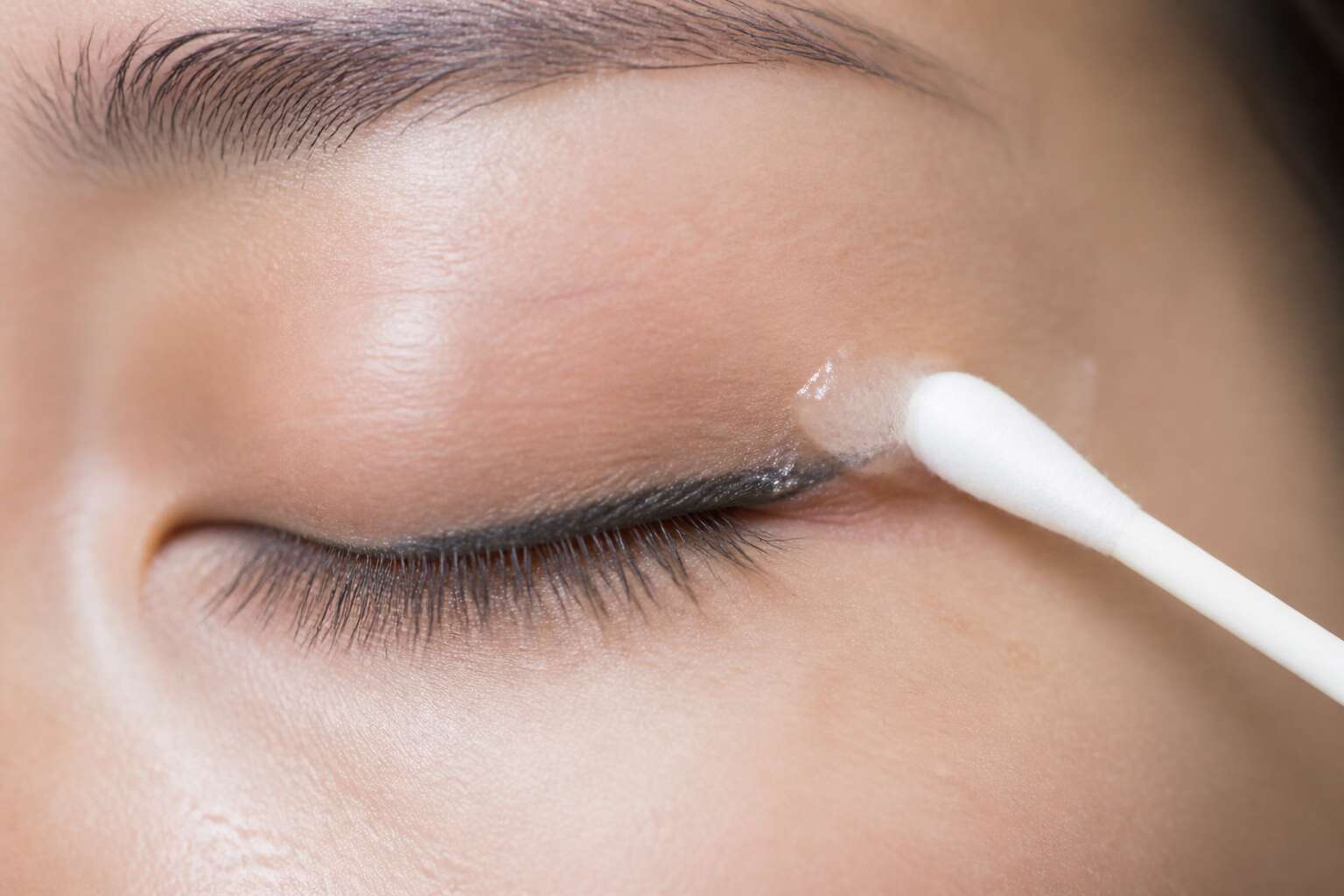
Understanding Eyeliner Tattoo Fading Basics
Why Eyeliner Tattoos Fade Unevenly
Permanent eyeliner rarely stays as it looked on day one! Within a few years, pigment breaks down, and the line softens into something entirely different. The skin around your eyes regenerates faster than other areas, which accelerates pigment loss. This is the foundation of understanding how to fade eyeliner tattoo works, but uneven fading complicates matters.
Why does the line disappear in patches? Several factors create this patchiness:
- Sun exposure degrades pigment more intensely on the outer corner.
- Oilier eyelids push pigment out unevenly.
- Different pigment depths cause some strokes to fade quicker.
- Your skin’s natural healing response varies by area.
Each of these elements acts independently, so the result is often a dotted or broken line. From my experience, recognizing this variability helps you plan any corrective approach with realistic expectations.
Factors That Influence Ink Retention
Every pigment particle is an interloper. The immune system, ever vigilant, dispatches macrophages to engulf these foreign grains. This cellular siege drives the quiet dissolution of every permanent eyeliner. Understanding how to fade eyeliner tattoo begins with this biological reality.
Ink retention depends on a few stubborn variables:
- Pigment particle size, larger grains resist clearance.
- Chemical stability of the colourant.
- Needle depth, too shallow and the skin sheds it, too deep and it disperses.
- Lymphatic drainage, which carries fragmented pigment away.
The dermis is no static canvas. It shifts, stretches, renews itself in cycles. Collagen remodels around the ink, sometimes trapping it, sometimes rejecting it. From my practice, South African clients who grasp this internal churn approach fading with far more patience.
Types of Pigments and Their Reaction to Removal
Every pigment molecule reacts differently when targeted. Understanding how to fade eyeliner tattoo starts with identifying what sits beneath the skin. Carbon based blacks absorb laser energy poorly, while iron oxide pigments shift to a reddish hue when broken down. This colour shift surprises many Johannesburg clients mid treatment.
Organic pigments fragment into smaller particles under Q switched lasers, but inorganic pigments like titanium dioxide can turn grey or even black when overheated.
- Carbon blacks resist photothermal breakdown.
- Iron oxides undergo chemical reduction.
- Titanium dioxide risks paradoxical darkening.
Saline removal draws pigment out through osmosis, which suits those who cannot tolerate laser wavelengths. The reaction between saline and pigment depends on the exact chemical formulation, so a patch test remains essential before any full treatment begins.
The Difference Between Fading and Complete Removal
Exactly how many of us have stared into a mirror, contemplating the raccoon-like smudge that was once a crisp liner? The journey to understand how to fade eyeliner tattoo begins with a fundamental truth: fading is not removal. These are distinct processes, and confusing them leads to disappointment.
Fading is the strategic reduction of pigment density. It is the difference between a heavy, blue-black line and a softer, lighter shadow. Complete removal, by contrast, seeks to eliminate all pigment traces from the dermal layer. The former is realistic for most; the latter is often a myth, a unicorn chased by many with little success. Your skin is not a blank canvas, and treating it as such is a mistake.
Think of the process as a series of incremental shifts rather than a single erasure event. Each session should aim to dent the pigment’s concentration, never to annihilate it fully on the first pass. This is especially true for cosmetic tattoos, where the skin is delicate and the artist’s original needle depth is a mystery. Safety dictates a conservative approach. Pushing for a total wipe in one sitting invites scarring, and a scar is far less flattering than a faint ghost of liner.
When discussing how to fade eyeliner tattoo, setting the expectation for a lighter, less distinct line is crucial. Removal promises a blank slate that nature rarely provides. Fading acknowledges the ink’s stubborn residency while allowing you to reclaim control. Many Johannesburg clients find that a faded result is actually preferable. It looks like a soft shadow or a deliberate smoky effect, which is easier to correct or rework than a void of scarred tissue. The sequence of a typical fading plan might look like this:
1. The first consultation to assess ink density, depth, and your skin’s reaction profile.
2. The initial treatment session, which is more about disruption than visual change.
3. The “ugly” phase, where the pigment may oxidise or look worse before it looks better.
4. The final sessions, which are spaced out to allow the lymph system to flush the debris.
A botched removal often leaves a yellow or grey muddle, a byproduct of hasty decisions. Fading, executed properly, allows for a gradual blending into your natural skin tone. It is a slower, less dramatic, but far more intelligent path toward the aesthetic you desire. It requires patience, a commodity in short supply when you are staring at a permanent mistake in the mirror.
You cannot un-inject the ink, but you can dilute its authority over your face. That is the goal of true fading. It is not a Hail Mary; it is a calculated retreat. Understanding this distinction before you book a session will save you money, tears, and a lot of pointless anger toward a laser technician who was never a magician in the first place. We have already covered the pigment chemistry and uneven fading, which explains the why. This is the what. The “what” is, thankfully, a compromise you can live with.
Professional Eyeliner Tattoo Removal Methods
Laser Removal for Delicate Eye Areas
Professional approaches to how to fade eyeliner tattoo now centre on laser technology engineered for the periocular region. The skin here is thinner than anywhere else on the face, so the clinician must select a wavelength that penetrates without thermal damage. A Q-switched Nd:YAG laser, emitting nanosecond pulses, breaks pigment into microscopic fragments.
Practitioners evaluate several factors before beginning:
- The tattoo’s depth, since superficial pigment requires fewer passes.
- The ink’s colour response, with black and dark blue absorbing laser energy effectively.
- The patient’s eyelid elasticity and any history of scarring.
Each session lasts under ten minutes. The fragments disperse through the lymphatic system over several weeks. I have watched patients blink through the procedure, and stillness matters most. Understanding how to fade eyeliner tattoo depends on stillness. The eye’s curvature demands a fixed gaze and precise hand positioning. Multiple treatments, spaced two months apart, produce gradual lightening without compromising the lid’s structure.
Saline Tattoo Fading Techniques
Salt has always been a substance of preservation, yet in the right hands it becomes a tool of erasure. Saline tattoo fading offers a slower, more deliberate path than laser. The practitioner injects a sterile salt solution into the tattooed line, and the body draws the pigment upward through a forming scab. It is a peculiar process to witness, one that asks the eye to sit still while the salt does its quiet work.
This method matters most when laser has failed. Certain pigments, particularly those mixed with white or metallic oxides, resist light and yield instead to osmotic pressure. Understanding how to fade eyeliner tattoo by saline means accepting a longer timeline. Several sessions, spaced apart, produce gradual lightening.
What remains after the crust falls away is a line that has lost its certainty. It is no longer a sharp stroke, but a suggestion of one. For those learning how to fade eyeliner tattoo, this slow surrender offers a way forward.
Comparing Professional Removal Options
Professional removal divides into three approaches, each with a distinct mechanism. Laser targets pigment with concentrated light. Saline draws ink toward the surface. Surgical excision removes the line, leaving a scar. Prices vary, and South African clinics often bundle consultations to hide the true per-session cost.
Practitioner skill outweighs the technology. A dermatologist who performs fifty eyelid procedures a year will outperform a newer technician using superior equipment. I have seen clients choose the cheapest quote and regret it for years! Ask about their complication rate. Ask to see healed results, not just fresh ones.
- Laser suits carbon-based blacks but struggles with white or oxide pigments.
- Saline works across all pigment types, making it a strong option when learning how to fade eyeliner tattoo without laser.
- Surgical excision offers immediacy but permanent scarring.
Deciding how to fade eyeliner tattoo involves comparing these methods against your skin’s history and downtime tolerance.
Cost Considerations for Eye Area Treatments
The true price of erasing an eyeliner tattoo rarely appears on the first quote you receive. In South Africa, clinics in Johannesburg and Cape Town charge more per session than those in smaller centres, yet travel costs and accommodation often erase that difference. A single laser pass on the eyelid can cost anywhere from R800 to R2,500, depending on the clinic’s overheads and the specialist’s reputation.
Several factors push the final bill higher than expected:
– Pigment depth and colour, which determine session count
– The clinic’s geographic location and equipment maintenance
– Whether a patch test and numbing agent are included
– Aftercare products, often sold separately at inflated prices
I have watched clients in rural towns assume a single visit solves everything. It rarely does. Understanding how to fade eyeliner tattoo means budgeting for three to six sessions, plus healing time. The real expense of figuring out how to fade eyeliner tattoo appears in repeated trips and missed work. That honesty saves more than cash. It saves heartache.
Risks and Safety Precautions
They say the eyes are the windows to the soul. Mine glanced out through a set of slightly smudged charcoal curtains for years. When you finally commit to understanding how to fade eyeliner tattoo, the process feels intensely personal. A laser or saline solution is about to touch the thinnest skin on your body, so the stakes feel higher than a bicep touch-up.
The primary arsenal involves Q-switched or picosecond lasers, which shatter pigment particles. These devices demand precise calibration. A practitioner blasting at the wrong wavelength can cause paradoxical darkening or textural changes. Meanwhile, saline fading is the alternative that physically pushes ink out through the wound. It is slower, but for certain pigments that resist lasers, it is the only viable route. Both methods produce swelling and crusting, which is normal, but the danger lies in infection.
Safety relies on the specialist’s discretion. They must decide when to stop. Here are the non-negotiables I look for before letting anyone near my lash line:
– A patch test performed weeks in advance on a hidden area
– The use of eye shields to protect the cornea from scatter
– A frank discussion about scarring risk, which exists even with perfect technique
In South Africa, the skill gap between a dermatologist and a beautician wielding a machine is vast. You want someone who understands ocular anatomy, not just someone who owns a laser. The final truth of how to fade eyeliner tattoo safely is that your own patience is the best protection. Rushing the healing process to hide the scabs invites pigment loss or worse. Listen to your skin, and trust the process over the promise.
At-Home Remedies and Natural Fading Techniques
Gentle Exfoliation Practices for the Eyelid
Gentle exfoliation for tattoo fading is a delicate process. A soft cloth with a mild cleanser works well. The closed lid is swept in small circles. No scrubbing. This helps remove dead skin cells, which may lift tiny pigment particles. To know how to fade eyeliner tattoo, you must allow time for the process.
Safe home exfoliants include:
- A cotton pad soaked in cooled chamomile tea.
- A rice flour and water paste applied with a clean fingertip.
Sugar and salt crystals are poor choices. They belong in cocktails, not near the eyes. Twice weekly is a sensible limit. More frequent sessions invite irritation. The skin signals when too much has been done. Redness and swelling indicate a stop. Natural fading happens gradually. Rushing the process damages the tissue.
Natural Skin Brightening Ingredients
A single eyeliner tattoo holds thousands of pigment particles beneath the skin. Natural fading depends on ingredients that encourage gentle cell renewal. I often use papaya extract and aloe vera gel. They brighten the surface without harsh scrubbing. To understand how to fade eyeliner tattoo without chemicals, think in weeks, not days.
- Apply cooled green tea with a cotton swab.
- Massage a pea sized amount of papaya gel on the closed lid.
- Rinse with plain water after ten minutes.
Lemon juice and undiluted essential oils are terrible choices. They burn the delicate tissue and cause swelling. My preferred approach involves raw honey mixed with a drop of chamomile oil. It softens the skin and supports gradual lightening. This process is slow, but it respects the eye area. How to fade eyeliner tattoo naturally requires consistency, not force.
Makeup Camouflage and Concealing Methods
How to fade eyeliner tattoo at home is a question I hear from clients who fear the laser. The answer often lies in what you apply each evening. Castor oil, massaged gently along the lash line, softens the tissue and helps lift surface pigment over several weeks. A warm chamomile compress once a day opens the pores and encourages natural shedding. These techniques are subtle, but they work steadily.
While fading works slowly, makeup offers immediate relief. For anyone exploring how to fade eyeliner tattoo, this layered approach buys time. A peach or salmon colour corrector cancels the blue tones common in old liner ink. Follow with a creamy concealer, applied with a fine brush, and set with translucent powder. The result is a clean, rested eye.
- Apply colour corrector only to the pigmented line.
- Layer concealer in thin strokes.
- Set with powder before any other makeup.
Skincare Ingredients That Accelerate Fading
Nightly rituals produce measurable results. In my experience, when exploring how to fade eyeliner tattoo, vitamin E oil deserves a place in your routine. It penetrates the dermis and encourages cellular turnover. A few drops pressed along the lash line each evening soften stubborn pigment over months.
Skincare ingredients that accelerate fading matter just as much. Retinol, applied sparingly and never near the waterline, speeds up skin renewal. Alpha hydroxy acids exfoliate surface layers where ink particles settle. Licorice root extract interrupts melanin production, useful for older pigments shifting grey.
- Vitamin E for tissue repair
- Retinol for cell turnover
- Alpha hydroxy acid for gentle exfoliation
These methods work slowly, and that is their strength! They do not erase, they erode. The process is uneven, but it is real for those who stay patient.
Myths and Misconceptions About Home Fading
Lemon juice does not fade eyeliner pigment. It burns the eyelid, yet it remains a popular home remedy for how to fade eyeliner tattoo. Toothpaste, salt scrubs, and garlic paste circulate through social media as natural fading techniques. They are not. They strip the skin’s barrier and leave the eyelid raw, causing hyperpigmentation that makes the tattoo look worse.
The most persistent misconceptions:
- Citrus acid safely bleaches pigment.
- Friction wears ink away.
- Sun exposure breaks pigment down.
Each one ignores eyelid anatomy. It is the thinnest skin on the body, with no subcutaneous fat to cushion tissue. Acid burns and abrasion do not target pigment. They damage the dermis and may trigger a healing response that closes over the ink, making later removal harder. Infection risk rises when the barrier is compromised. Scar tissue traps pigment, so irritating methods often reverse the desired effect.
Aftercare and Healing for Optimal Fading
Immediate Post-Treatment Care Steps
The first 48 hours after your fading session decide more than you might think. When you understand how to fade eyeliner tattoo, you accept that the healing phase is where most of the work happens. During this window, the treated area is essentially an open wound. You must keep it completely dry. No water, no cleanser, no makeup, and absolutely no rubbing. I tell my clients to imagine a raindrop on a freshly painted wall. One touch can ruin the whole process.
Gentle cleaning begins on day three, using only a sterile saline spray and a cotton pad. Pat, never wipe. The crust that forms is your friend, so resist the urge to pick. Swelling and redness are normal, but watch for any heat or unusual discharge. If you want to fade eyeliner tattoo safely, you also need to sleep on your back and avoid saunas, steam, or excessive sweating for at least a week. Your eyelid is delicate, and the healing skin demands patience.
Most fading sessions require a second pass, but only after full recovery. Rushing that timeline sets you back further. For South African readers, the summer heat adds extra risk, so stay indoors when possible. Follow this protocol, and the pigment will break down steadily, giving you the result you actually wanted.
Building a Fading-Friendly Skincare Routine
Between 80% and 95% of eyeliner tattoo fading sessions require a second appointment. That statistic underscores a vital truth: your daily skincare routine is the silent partner in this process. The first 48 hours are about protection, but the following weeks are about cultivation. You are not just waiting for the skin to heal. You are actively preparing the canvas for the next fading pass.
Once the crust has shed and the skin feels smooth to the touch, introduce a gentle, fragrance-free cleanser. The skin around the eyes remains fragile for a month. Aggressive products will trigger irritation and pigment retention. Look for a creamy formula that respects the acid mantle. Your routine should support the skin’s natural shedding cycle, which carries pigment particles to the surface.
Incorporate a simple routine to support the fading process.
- Cleanse the orbital area with lukewarm water and a milky cleanser each morning.
- Apply a thin layer of hyaluronic acid to hydrate without clogging pores.
- Finish with a mineral sunscreen specifically formulated for the eye area.
The South African sun is an unrelenting factor in this equation. UV exposure darkens residual pigment and encourages cell regeneration to slow down. A high SPF is non-negotiable. When you understand how to fade eyeliner tattoo effectively, you realize that sun protection is the deciding factor in how many sessions you ultimately need. Your skin’s ability to process the broken-down pigment depends on consistent, unbroken care. Skimp on the protective steps, and you force the pigment to settle deeper. Consistency in this mundane routine is what determines the elegance of the final result.
Sun Protection for Sensitized Eyelids
The orbital skin after a fading session is not merely healing. It is recalibrating its barrier function while holding fragmented pigment particles in the upper dermis. Sun exposure during this window does more than darken. It triggers melanocyte activity and stalls the lymphatic drainage that carries ink away. Sun protection for sensitized eyelids becomes the difference between a clean second pass and an stubborn, heat-set shadow.
Use a physical blocker with zinc oxide or titanium dioxide. Chemical filters can sting broken barriers. Mineral formulas sit on the surface and reflect UV before it reaches the traumatized tissue. Reapply every two hours if you are outdoors in Johannesburg or Cape Town. Sunglasses with broad frames help, but they do not cover the lash line.
Keep the routine simple and intentional.
– Apply sunscreen after moisturizer, before makeup.
– Use a patting motion, never rubbing, to avoid disturbing the healing surface.
– Choose a product with at least SPF 50.
The sun in South Africa is aggressive even on overcast days. This vigilance directly influences how to fade eyeliner tattoo results. A protected eye allows the body to do its work quietly. An unprotected eye forces the pigment to oxidize and settle. If you understand how to fade eyeliner tattoo, you know that sun protection is not an afterthought. It is the primary act of care after the initial healing phase ends.
Products to Avoid During the Healing Process
The healing phase is where most fading outcomes are decided. During the first week, the eyelid is in a fragile state. The dermis is processing the saline solution and, simultaneously, ejecting pigment. Any product that accelerates cell turnover or causes inflammation will interfere with this process. Knowing how to fade eyeliner tattoo requires patience with the healing timeline, not aggression.
- Retinol and prescription retinoids
- Alpha hydroxy acids and glycolic toners
- Benzoyl peroxide and salicylic acid
- Fragranced cleansers and alcohol based toners
- Waterproof makeup worn before the surface seals
Petroleum based ointments also deserve caution. They trap heat and bacteria against the micro wounds, working against the lymphatic action that removes ink. Heavy concealers applied prematurely will block oxygen and force pigment back into the dermis. A gentle sterile saline rinse is the only product the tissue needs for the first seven days. Keep the area clean, dry, and untouched. That quiet discipline is the real answer to how to fade eyeliner tattoo without complications.
Signs of Complications and When to Seek Help
Healing is the quiet engine of pigment removal. After the saline settles, the eyelid enters a phase where the body does most of the work. You may notice light crusting and a dulling of the ink within the first few days. This is not a sign of failure. It signals the dermis is pushing pigment upward and out. Knowing how to fade eyeliner tattoo properly means allowing this process to unfold without interference.
Most fading becomes visible between the second and fourth week, when the surface tissue has turned over. Swelling should steadily decline. Redness should recede. Seek medical attention immediately if you notice any of the following:
- Intense throbbing or pain that worsens after day three
- Yellow or green discharge from the lid margin
- Blurred vision or sensitivity to light
- Fever or swollen lymph nodes
These are signs of infection, not fading. Damage to the cornea or lid margin can escalate quickly, so do not wait it out. Trust your instincts and let a professional assess the area before any further removal work continues.
Managing Swelling and Discomfort
Most clients ask the same question within the first hour: how much swelling is normal? The honest answer is that swelling peaks around day two, then slowly retreats. Managing this phase often involves keeping the head elevated on two pillows while sleeping and placing a cold compress over a clean cloth for ten minutes each hour.
I know the temptation to touch the lid. Avoidance matters. These practices are essential for proper aftercare. They also guide how to fade eyeliner tattoo effectively, because disturbed tissue delays pigment escape. Pressing or massaging the swollen lid only extends the discomfort. A still area heals faster.
Common comfort measures include:
- Chilled gel masks kept outside the fridge, not the freezer, to prevent ice burn.
- Over the counter anti-inflammatories, only with provider approval.
Expect tightness rather than pain. Dull discomfort is normal. Sharp pain is not. Your patience during the swelling window determines how to fade eyeliner tattoo without added injury.
Timeline and Expectations for Fading
How Many Sessions Are Typically Needed
Fading eyeliner tattoo is rarely quick. Patience becomes your most valuable asset, because the skin around your eyes regenerates slowly. Most clients notice the first visible lightening only after three to four weeks post-treatment. The full narrative unfolds over several months, with each session building on the last.
How many sessions are typically needed? The answer depends on pigment depth and density, but a general spectrum emerges:
- Light cosmetic strokes: two to three sessions
- Medium saturation: four to six sessions
- Dense or older ink: six to eight sessions
Each sitting requires a six to eight week interval, allowing the lymphatic system to flush broken pigments. That spacing also prevents overstressing delicate eyelid tissue. So when pondering how to fade eyeliner tattoo, understand that the process moves steadily, not abruptly. The wait feels long, yet predictable.
Variables That Affect the Fading Timeline
Timeline expectations shift with every individual, and the variables are more numerous than most clients anticipate. When exploring how to fade eyeliner tattoo, the age of the pigment matters; older ink has had years to settle into the dermis, which can either accelerate or delay fading. Metabolic rate also plays a role, since faster cellular turnover means the body clears fragmented pigment more efficiently.
Lifestyle habits such as smoking, alcohol consumption, and sleep quality influence how quickly the skin regenerates. Even your daily moisturiser can alter the pace. Products with active ingredients like retinol or glycolic acid may support the process, but they must be used with caution around the eye area.
- Skin thickness and elasticity vary with age
- Sun exposure history affects pigment stability
- Immune system response determines lymphatic clearance
These variables combine to create a unique timeline for each person. That is why anyone researching how to fade eyeliner tattoo will find that practitioners offer ranges, not guarantees, and why patience remains the single most reliable predictor of success.
What Results Look Like at Each Stage
Fading follows a predictable arc, though the visual cues shift gradually. During the first month after treatment, the line may appear darker or slightly blurred as the skin responds to trauma. This signals the start of lymphatic clearance. By week six, the pigment often softens into a greyish tone.
The intermediate stage, spanning months two through four, reveals truest progress. Crisp edges become diffused, and intensity drops by roughly a third. Patchiness during this window is normal, as denser pigment deposits split at different rates. Every session of how to fade eyeliner tattoo follows this rhythm.
- Month one: swelling subsides, line may appear bolder
- Months two to four: pigment lightens and edges soften
- Months five to six: residual pigment settles into a faint shadow
By the sixth month, remaining pigment resembles a soft smudge. For those researching how to fade eyeliner tattoo, this stage determines whether another session is worth the cost. Skin tone affects visibility, with fair complexions showing faint grey undertones.
Managing Psychological Expectations
The timeline for fading rarely matches the timeline for feeling. Many people expect visible change after one session, but the skin’s response lags behind emotional readiness. Understanding this gap is the first step in managing psychological expectations.
Progress arrives in phases, and each phase carries its own psychological demands. Early weeks feel static, even when cellular activity is high. The eye area shows no dramatic difference until several weeks pass. This delay tests patience more than any physical discomfort!
Consider these milestones as a sequence:
- Initial denial: the ink appears unchanged, and doubt creeps in.
- Slow acceptance: small shifts in pigmentation become noticeable.
- Final patience: the last traces fade without a clear endpoint.
For anyone asking how to fade eyeliner tattoo, the psychological aspect deserves as much attention as the technical process. Each session of how to fade eyeliner tattoo brings you closer, but I have learned that the mind needs its own schedule.
Prevention and Long-Term Considerations
Choosing a Certified Eyeliner Tattoo Artist
Prevention precedes every regret. A poorly placed pigment may demand years of corrective work, while a certified artist respects the delicate architecture of the eyelid. The question of how to fade eyeliner tattoo should begin before the needle ever touches the skin.
In South Africa, verify credentials through recognised aesthetic bodies. Ask how the artist would advise on how to fade eyeliner tattoo if the healed result disappoints. Look for a professional who understands pigment depth, skin undertones, and the eye’s unique fragility. A seasoned artist will also map your skin’s ageing trajectory, anticipating how the ink will settle over time. When evaluating your options, consider:
- Portfolios showing healed results, not only fresh applications
- Documented patch tests and aftercare protocols
- Dedicated training in permanent makeup, not general tattooing
A wise artist discusses fading openly during consultation. This transparency becomes your first and most effective long-term strategy.
Patch Testing and Informed Ink Selection
Patch testing is the unglamorous but essential step of the permanent makeup journey. A tiny pigment swatch behind your ear or on your inner arm reveals more about your skin’s temperament than any Instagram gallery ever will. Your eyelid is not the place to discover a surprise allergic reaction.
Informed ink selection means asking uncomfortable questions. What pigment family does your artist use? Carbon-based blacks behave differently under removal lasers than iron-oxide browns. Some pigments contain metallic particles that turn stubborn when you eventually research how to fade eyeliner tattoo. A savvy client understands that how to fade eyeliner tattoo starts with knowing what was injected in the first place.
Consider this before booking:
– Request a patch test at least 48 hours before the appointment
– Ask for pigment brand names and colourant documentation
– Discuss how the specific ink responds to fading techniques
A smart choice today saves you from becoming a removal statistic tomorrow.
Aftercare That Prevents Unwanted Fading
Aftercare decides whether your eyeliner tattoo stays bold or fades unevenly. The first days matter most. Keep the area dry, use only the aftercare balm your artist gave you, and do not peel or scratch the healing skin. A poor result is harder to correct than a well maintained one, so follow the aftercare instructions exactly.
Long term, your habits either preserve or damage the pigment. Rubbing your eyes while removing makeup, sleeping on your stomach, and skipping scheduled touch ups all accelerate pigment loss. Touch ups are maintenance, not an optional add on.
- Pat the eyelid gently, never tug
- Keep cleansing oils away from the lash line
- Replace pillowcases often to reduce friction
Knowing how to fade eyeliner tattoo should not come from neglect. Protect the healed area, and you will not need to reverse the outcome.
When to Consider Retouching Versus Fading
Every healed eyeliner tattoo demands a decision. The choice between retouching and learning how to fade eyeliner tattoo depends on the original stroke, your skin’s reaction, and the shape you see each morning. Retouching makes sense when the pigment settled evenly but lighter than expected. Fading becomes relevant when the line drifted, bled, or now fights your natural features.
Long term, your age and skin elasticity change the maths. I have watched clients wait for years, hoping faded ink returns to its original boldness. It rarely does. A blurred lash line that softens with time will not benefit from more pigment. It demands reduction.
Before booking either appointment, weigh these factors:
- How long the current result has lasted
- Whether the pigment changed colour
- How much the surrounding skin has aged
Scheduled touch ups are not a promise of permanence. Sometimes the honest route is removal. The question is which option serves the face you have today.



0 Comments