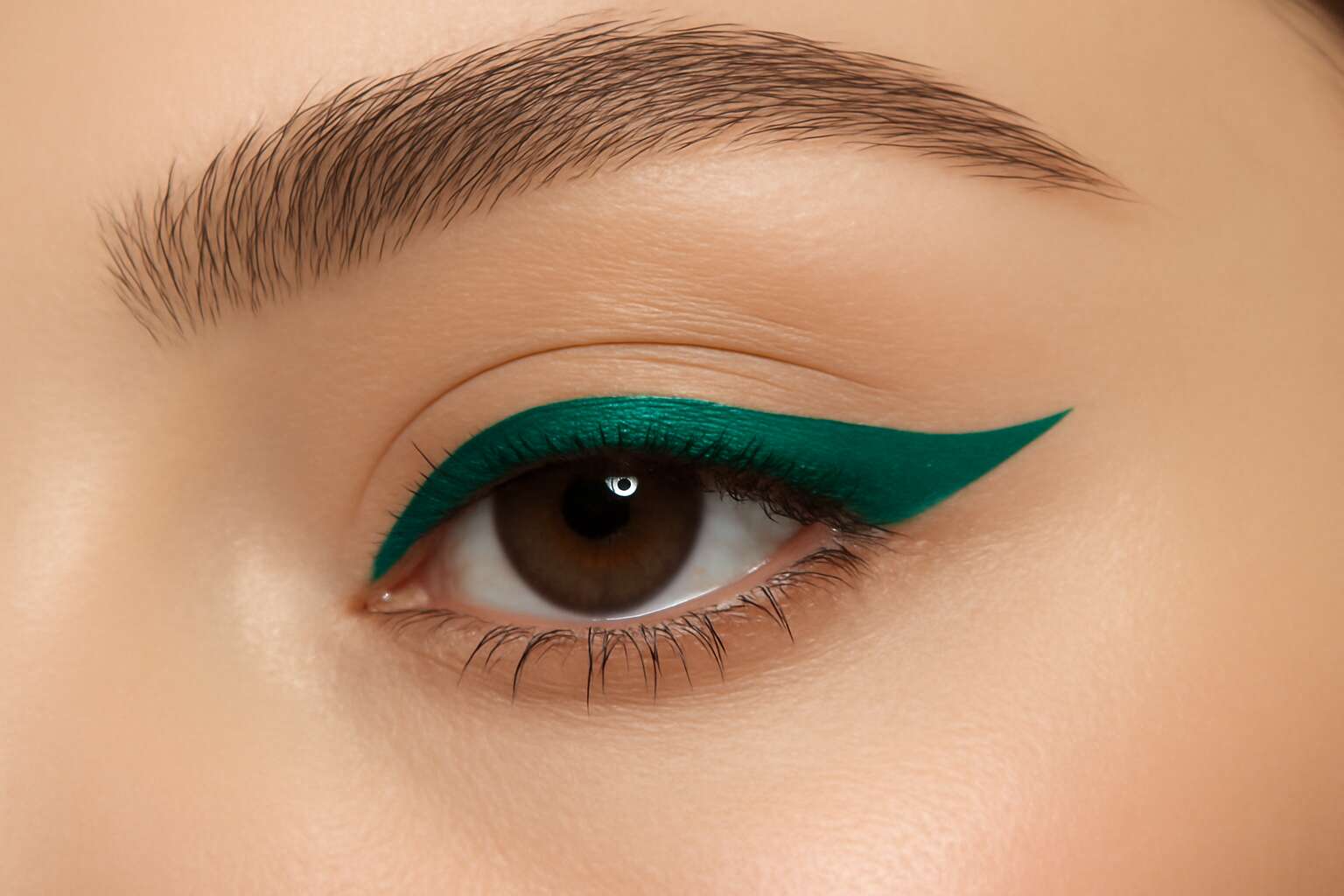
Understanding green pigment in cosmetic tattooing
What green ink does in semi-permanent makeup
Green pigment in cosmetic tattooing isn’t a whimsical flourish; it’s a science that helps balance color instead of masking it. In South Africa’s busy studios, savvy artists apply green hues to neutralise red undertones that pop up after healing and under bright studio lights.
What green ink does in semi-permanent makeup: it acts as a color corrector, harmonising tones for a natural look. When used properly, green can soften the punch of red without dulling the eye area.
- Neutralises redness and pink undertones near the lash line.
- Corrects warm or coppery undertones for a balanced base.
- Supports predictable results across skin tones when applied by trained technicians.
For those chasing a confident, camera-ready gaze, the key is professional assessment—skin undertones, pigment depth, and aftercare all influence the final shade. With the right approach, tattoo eyeliner green can deliver a crisp, lasting boundary that stays natural in SA sun.
How green pigment affects eyelid appearance and color blending
Color is memory for the eye—“the color that stays,” as one SA master puts it—and in cosmetic tattooing it anchors a natural, camera-ready gaze. Tattoo eyeliner green sits opposite red on the color wheel, pulling warmth toward a balanced base and softening the harsh edge along the lash line. In South Africa’s studios, skilled artists track how this pigment shifts with light, time, and skin texture, turning instability into subtle, lasting cohesion.
- Opposing red undertones creates a balanced base without dulling the eye’s definition.
- Depth-aware layering helps the green integrate with natural lid tones for smoother blending.
- Light and climate in SA influence how the shade reads, making precise artistry essential.
When viewed under different angles, tattoo eyeliner green reveals its role not as a blanket of colour, but as a responsive component of the eyelid’s visual language.
Popular styles and designs using green eyeliner pigment
‘Color is memory for the eye,’ a South African master says, and tattoo eyeliner green proves it every time. This pigment anchors a gaze without shouting, shifting with light and skin like a quiet heartbeat. In practice, tattoo eyeliner green acts as a refined counterpoint to red undertones, offering balance that reads naturally under studio lights and bright sun. The result is a lash line that feels defined yet alive.
Understanding popular styles and designs using green eyeliner pigment helps practitioners tailor to skin tone and climate. From a restrained lash-line fade to a bold emerald wing, tattoo eyeliner green supports a spectrum of looks.
- Natural lash-line blend with a touch of green
- Emerald wing for a defined, cinematic edge
- Smoky liner with a green halo that softens edges
In South Africa, the pigment’s adaptability keeps tattoo eyeliner green a dynamic, camera-ready option.
Color theory basics for green cosmetic tattoos
“Color is memory for the eye,” a South African master insists, and tattoo eyeliner green proves it daily. In color theory, pigment sits on a wheel of hue, saturation, and value. Green reads differently under skin tones, lights, and seasons, shifting with the sun like a quiet tide. This is the art of balance: a green that settles, never shouts, yet defines with a natural breath.
Undertones dictate the chemistry—cool emeralds shimmer on lavender-skin recipients, olive greens calm red undertones, while vibrant lime can look harsh under studio fluorescents. The aim is a color harmony that anchors the lash line without clashing with complexion or climate. The result is a gaze that reads true in daylight and after-hours glow.
Safety, regulations, and aftercare
Choosing safe pigments and ingredients for the eye area
In a market hungry for lasting lines, 82% of clients crave color that holds while eyes stay safe. tattoo eyeliner green, a shade that can whisper or roar, must be paired with vigilance about safety from the first stroke to the last.
Regulation in South Africa requires licensed practitioners, sterile tools, and pigments from reputable suppliers. Choosing safe pigments and ingredients for the eye area means favoring stable, non-irritating colorants that respect the delicate lid.
- Pigments with proven cosmetic safety certifications
- Iron oxides or other stable, non-toxic colorants suitable for the eye area
- Products compliant with SA cosmetics standards and licensed suppliers
Aftercare is a quiet, patient discipline—gentle cleansing, avoiding friction, and shielding the treated skin from excess sun. When the eye area is treated with intention, the tattoo eyeliner green shade endures while the mood of the gaze remains guarded and elegant.
Licensing, sanitation, and artist qualifications
In the hush between lamp and needle, safety is the true pigment of trust. For tattoo eyeliner green to endure without haunting the eyelid, regulation in South Africa requires licensed practitioners, sterile tools, and pigments from reputable suppliers. The eye deserves reverent care, with pigments that carry cosmetic safety certifications and compliance with SA cosmetics standards. The first stroke should be guided by prudence, not bravado.
- Licensing and practitioner registration
- Sterile tools and single-use disposables
- Artist qualifications and ongoing professional training, plus sourcing from licensed suppliers
Aftercare remains a quiet discipline—gentle cleansing, avoiding friction, shielding the treated lid from excess sun. With careful licensing, sanitation, and trained hands, the line endures as the gaze stays both guarded and elegant.
Aftercare routines to protect color and skin
In South Africa, roughly 62% of tattoo eyeliner green results fade within 18 months when aftercare is lax, a statistic that lingers like a rumor in a quiet studio. Safety is the true pigment of trust, and the first true color is responsibility. “Color that lasts, done safely” frames every choice around the eye.
Regulation governs the field: licensed practitioners, sterile tools, and pigments from reputable suppliers aligned with SA cosmetics standards. The eye deserves reverent care, and craft hinges on certification, quality control, and ongoing professional training.
Aftercare remains a quiet discipline—gentle cleansing, avoiding friction, shielding the treated lid from excess sun. With careful licensing, sanitation, and trained hands, the line endures, and tattoo eyeliner green retains its crisp edge under careful stewardship.
Common complications and how to avoid them
Safety isn’t a slogan—it’s the pigment behind every stroke. In South Africa, roughly 62% of tattoo eyeliner green fades within 18 months when aftercare slips, a statistic clients carry like a rumor into the studio.
Tattoo eyeliner green is performed by licensed practitioners using sterile tools and pigments sourced from reputable suppliers aligned with SA cosmetics standards. Certification and ongoing training ensure color safety and professional accountability.
Aftercare remains a quiet discipline—gentle cleansing and shielding the eye from excess sun. Common complications include swelling, redness, uneven fading, or pigment migration. They can be minimized by adhering to licensed practice, sanitation, and timely medical advice if concerns arise.
- Swelling and tenderness around the lid
- Redness or tenderness lasting beyond a few days
- Uneven fade or pigment migration outside the lash line
- Signs of infection such as warmth or discharge
Allergy testing and patch tests for eye-area tattoos
In South Africa, safety around tattoo eyeliner green isn’t optional—it’s a shield. Regulations require licensed studios, sterile tools, and pigments vetted for cosmetic use. Compliance isn’t a burden; it’s peace of mind that keeps eyes safe and colors true.
Allergy testing and patch tests for the eye area are essential before any needle meets skin. A patch test on the inner forearm or behind the ear helps identify reactions to pigments and metals. Such testing can prevent surprises when the color sits next to the lash line.
Regulations stress informed consent, professional accountability, and aftercare as a covenant, not a suggestion. Aftercare instructions guard against infection, migration, and unwanted fading. When in doubt, consult a licensed practitioner for timely medical advice.
The application process and technique
Initial consultation and design collaboration
The allure of tattoo eyeliner green can sharpen your gaze with lasting vibrancy, yet the magic starts long before the needle touches skin. The initial consultation and design collaboration shape every precise stroke. In a South African studio, the artist listens for your desired intensity, eye shape, and lifestyle—balancing emerald hues with skin undertones and lash line sensitivity. A candid conversation sets the stage for a result that feels both natural and daring.
During the design collaboration, the artist translates your preferences into action with measured precision. The outcome hinges on choices about line weight, symmetry, and how the green pigment reads against your skin and eye color.
- Line weight and symmetry alignment
- Reference imagery to guide shape
- Optimal placement along the lash line
Technique blends deliberate needle motion, pigment layering, and calm conversation to preserve a crisp, verdant finish.
Step-by-step procedure: outline, shading, and pigment layering
One in three clients notice their gaze sharpen as emerald ink settles, a quiet radiance that lingers with every blink. In a South African studio, tattoo eyeliner green emerges as more than color—it is a whispered promise of confidence. The application process unfolds like a small ritual, where outline, shading, and pigment layering glide into a singular, verdant arc that compliments skin and eye tone.
- Outline: sketching the emerald path along the lash line with a steady, light touch to establish balance.
- Shading: layering soft depth to soften edges while preserving a crisp line that catches light.
- Pigment layering: building translucence and intensity through deliberate applications for sustained vibrancy.
Technique carries a calm rhythm—deliberate needle motion, methodical layering, and patient dialogue—so the final result reads as a verdant whisper across the lid, both natural and daring.
Pain management options for eyelid procedures
In a sunlit South African studio, tattoo eyeliner green isn’t mere color—it’s a quiet dare to meet the gaze with certainty. The emerald line whispers along the lash, a verdant promise that lingers with every blink and flatters skin and eye tone.
Technique unfolds in a calm rhythm: a steady hand, measured passes, and patient dialogue that calibrates edge, depth, and translucence. I watch the arc take shape—natural yet unmistakably alive—a green whisper guiding attention without shouting.
- Topical anesthetic gel approved for eyelids
- Local anesthetic injections by a licensed professional
- Cold therapy with an ice pack before and after
- Controlled breathing and gentle pacing during sessions
Preventing pigment migration and blurring around the lash line
In a sunlit South African studio, the lid becomes a canvas and the artist’s steady hand an instrument of calm. When tattoo eyeliner green edges the lash line, it does so with restraint—designed to stay crisp without shouting. The technique blends rhythm, pigment physics, and patient dialogue, guiding pigment to rest just at the lash fringe, where it settles with natural depth.
During application, precision matters. A careful balance of pigment density and needle angle helps prevent migration and blurring around the lash line. In practice, the artist maintains a light touch, watching for wicking and edge feathering as the green hue lays down.
- positioning within the lash bed
- control of pigment flow to minimize wicking
- gentle layering to maintain natural softness
Each pass is a dialogue with the eye area—tattoo eyeliner green aligning with skin texture and natural lash growth, resisting migration.
Aftercare steps immediately following the procedure
“Patience is pigment’s best friend,” a veteran Cape Town artist likes to say, and that wisdom lands squarely on tattoo eyeliner green. In the sunlit studio, the lid becomes a stage and the hand the quiet metronome—steady, unfazed, almost musical.
The application process is a measured dance: controlled pigment density, purposeful needle angle, and soft layering that keeps the line crisp without shouting. The artist reads skin texture and lash growth, adjusting tempo so the result sits naturally and harmonizes with the eye rather than competing with it.
Aftercare becomes a shared mindset rather than a ritual. Clients leave with a clear care conversation, a simple handout, and the understanding that healing is a slow encore—pigment settling gracefully, with color that feels part of the person, not a poster on the lid.
Color longevity, fading, and maintenance
How long green pigments typically last in eyeliner tattoos
For tattoo eyeliner green, color longevity hinges on pigment quality and placement. When done precisely, the hue can stay vivid for years, cutting through daily makeup routines. A bold green line that remains true through heat, sweat, and mascara is achievable with the right ink and skilled technique.
Fading is gradual, not sudden. Sun exposure, skin type, and aftercare habits slow or speed loss. In SA’s sunny climate, UV protection matters; choose pigments designed to resist fade and keep clarity. Gentle cleansing and avoiding oil near the lash line help preserve the pigment.
- Sun protection around the eyes daily.
- Avoid pools and hot tubs for two weeks.
- Plan regular touch-ups to maintain vibrancy.
To keep tattoo eyeliner green looking fresh, plan periodic refresh sessions. Most clients opt for a 12–36 month timeline, depending on skin and lifestyle. With protection—sunglasses, sunscreen—and a scheduled touch-up, your green line remains crisp.
Factors that affect fading, such as skin type and sun exposure
Color longevity for tattoo eyeliner green hinges on pigment quality and placement. When executed with precision, the hue stays vivid for years, shrugging off heat and daily mascara. Fading is gradual; sun exposure, skin type, and aftercare habits determine the pace. In South Africa’s bright climate, UV protection matters to preserve clarity and prevent chalky drift.
Over time, the shade may soften yet remain recognizable. Most clients report refreshes every 12–36 months, a timeline influenced by lifestyle, sun exposure, and how the eye area is treated in the weeks after the procedure.
A measured approach blends realistic expectations with pigment resilience, helping the line stay crisp without losing its edge in the long run.
Touch-up frequency, timing, and pricing considerations
Color longevity for tattoo eyeliner green depends on pigment quality and placement, day-to-day wear, and sun exposure. In South Africa’s bright climate, tattoo eyeliner green stays vivid when UV protection and thoughtful aftercare are part of the routine; fading is gradual, shaped by skin type, lifestyle, and how the eye area is treated. Over time, the line may soften yet remain recognizable, preserving the essence of the original design.
Touch-up frequency, timing, and pricing considerations shape the ongoing story. A tailored maintenance plan aligns with budget and lifestyle, often scheduled when color softens or the client desires a crisper edge again. Price structures vary, with studios offering per-session rates or maintenance packages that bundle touch-ups over years, depending on location and artist.
- Per-session pricing vs bundled maintenance packages
- First top-up timing after healing varies by individual
- Local SA market differences in studio rates and pigment costs
Choosing the right shade of green for your undertone
Sunlit mornings in South Africa test pigments, yet some greens stay bright. “Ink remembers the light,” an artist says, and that truth shines when discussing tattoo eyeliner green.
Color longevity hinges on pigment quality, placement, and sun exposure. In a climate with relentless UV, saturated pigments fade slowly, leaving a crisp line that echoes the original design as seasons turn.
Choosing the right shade of green for your undertone matters: cool undertones pair with blue-leaning greens, warm skin leans toward olive hues; for tattoo eyeliner green, the harmony keeps the result vibrant even as it softens with time.
To guide shade selection, consider undertone balance:
- Cool undertones pair with blue-leaning greens for a crisp look
- Warm undertones glow with olive and moss greens
- Neutral or mixed undertones benefit from versatile emeralds
The design endures with grace, morphing softly with time rather than vanishing.
Maintenance tips to preserve vibrancy over time
SA’s sun is unforgiving, and pigment choices meet it head-on. “Ink remembers the light,” an experienced artist reminds me, and that truth lands hard when we talk tattoo eyeliner green. It’s not magic—it’s the clash between climate and craft, tested on the eyelid.
Color longevity hinges on pigment quality, placement, and sun exposure. In a climate with relentless UV, even vivid greens fade, yet premium pigment tends to hold its edge longer, leaving a crisp line that echoes the original design as the years pass.
To preserve vibrancy, consider these broad factors that influence fading:
- UV exposure and local climate
- Skin type and movement around the lash line
- Pigment formulation and application depth
Finding the right artist and studio
Evaluating portfolios for green pigment results
Finding the right artist and studio is not a mere selection exercise—it’s a quiet moral choice. In South Africa’s dynamic beauty scene, I look for practitioners who blend technical rigor with respectful patient care. tattoo eyeliner green demands steady hands and a patient eye for detail; the studio should feel calm, sanitary, and collaborative, where questions are welcomed as a sign of trust.
Evaluating portfolios for green pigment results isn’t about the flash. I study healed photos, observe how the green shifts with undertones, and seek consistency across sessions. The best portfolios reveal restraint and versatility in line work, a sense for edge definition, and how pigment layers respond to sun and eyelid texture over time.
- Portfolio breadth across green tones and strokes
- Evidence of sanitary practice and professional licensing
- Consistency of healed results on similar skin types
Questions to ask during the consultation about technique and safety
In South Africa, most clients rate studio atmosphere over price when seeking semi-permanent makeup. That choice is a quiet moral statement about trust and care. For tattoo eyeliner green, the distinction isn’t flashy artistry—it’s ethics, hygiene, and steady hands.
Find an artist who blends technical rigor with patient listening: a calm, sanitary space and clear consent. The best portfolios reveal restraint and a keen eye for how greens shift with undertones in natural light.
- Patch-test protocol and how allergies near the eye are managed.
- Lash-line placement technique and how migration is prevented.
- Sanitation, licensing status, and equipment sterilization practices.
- What to expect for color behavior of green pigments on your skin tone and session count.
Credentials, licenses, and studio hygiene standards
In South Africa, clients increasingly measure value by atmosphere and trust, not by price. “Trust is the real currency,” says a veteran PMU artist, and that mindset shapes every decision you make when choosing a studio for tattoo eyeliner green. The right artist blends calm technique with attentive listening, and a clean space that feels almost ceremonial. The best portfolios reveal restraint and a keen eye for how greens shift under natural light, without shouting for attention.
Credentials matter more than flash. Look for visible licenses, registered premises, and clear hygiene practices that protect your eye area. A studio that keeps sterilization records, uses single-use applicators, and maintains tidy, organized workspaces signals serious commitment to safety. When you walk in, you should sense care, clarity, and a willingness to discuss consent without jargon—a sign that this is where tattoo eyeliner green sits with confidence rather than chaos.
Pricing structures, guarantees, and aftercare support
In the hunt for tattoo eyeliner green, the right artist isn’t just skilled—they’re someone you can talk to honestly. South African studios increasingly earn trust through transparent pricing, clear guarantees, and responsive aftercare support, a triad that steadies nerves as the needle nears your eye. A thoughtful artist frames expectations with shade simulations under natural light, ensuring the greens harmonize with your undertone rather than shouting for attention. The best portfolios reveal restraint and a willingness to discuss consent plainly, not jargon.
Pricing structures can vary from per-session to bundled touch-ups, and guarantees may cover pigment retention or rework if the result drifts. Aftercare support should extend beyond the chair, offering check-ins and practical guidance that keeps the look vibrant and comfortable as you heal.
- Pricing clarity with up-front quotes
- Guarantees on pigment behavior and adjustments
- Post-procedure check-ins and aftercare resources
Where to find trained technicians and avoid red flags
Across South Africa’s studios, the right tattoo artist isn’t just skilled— they’re someone you can talk to honestly. One survey finds 70% of clients rank transparent pricing and open dialogue as top factors. Tattoo eyeliner green deserves that clarity from consultation to final touch. A thoughtful practitioner will discuss line weight and symmetry upfront, ensuring the green settles with your undertone rather than shouting for attention.
From Cape Town to Johannesburg, trained technicians surface through vetted portfolios, client referrals, and open channels with studios. For tattoo eyeliner green, look for practitioners who explain pigment choices and how color behaves on the eyelid in natural light.
Red flags to notice before you book:
- Vague quotes or pressure to commit immediately
- No clear portfolio or evasive pigment answers
- Unclean studio or questionable hygiene practices
South Africa’s best studios balance honesty with artistry, turning a potentially anxious moment into a calm, collaborative experience.

0 Comments