The Rise of Cosmetic Eyeliner Tattooing
Why permanent eyeliner is gaining popularity
The past three years have seen a 40% increase in permanent eyeliner bookings across South African clinics. Women are abandoning the daily struggle with pencils and gels, choosing instead to wake up with eyes already defined. I have watched this trend reshape appointment books in my own city.
The reasons are practical. A well placed tattoo resists the humidity of Durban summers and the demands of a busy work schedule. Many clients cite the correction of asymmetry as a deciding factor. Others simply want to reclaim ten minutes each morning.
- Waterproof definition that lasts through the day
- Restored symmetry for uneven lash lines
- Time saved for sleep or a slower start
Behind this growth stands the skill of the eyeliner tattoo artist. Their work must be precise, durable, and tailored to each unique eye. A respected eyeliner tattoo artist layers pigment with an understanding of facial structure, and as demand grows, so does the need for that expertise.
Difference between microblading and machine-based eyeliner tattooing
The rise of cosmetic eyeliner tattooing has produced two distinct methods. A trusted eyeliner tattoo artist must know the difference between microblading and machine-based work. Microblading relies on a handheld blade to scratch pigment into the upper skin layers. It creates delicate strokes for brows, but on the eyelid, it fades quickly and blurs. Machine-based tattooing uses a rotary device to deliver pigment into the dermis. This method builds crisp, solid lines that resist water and tears.
- Microblading feels lighter and heals faster; machine tattooing offers stronger, longer-lasting definition.
- Microblading cannot correct asymmetry effectively; machine techniques allow precise shaping.
- Microblading needs frequent retouching; machine-based eyeliner stays sharp for years.
In my salon, I always steer clients toward the machine method for eyeliner. As an eyeliner tattoo artist, I see the difference daily.
Common styles: lash line enhancement, winged liner, and smudged shadow effect
The most revealing question I ask every client is not about colour. It is about shape. The style you choose changes how your eyes read in a boardroom, in a photograph, or across a crowded room. As an eyeliner tattoo artist, I have watched this craft move from a niche treatment to a standard step in many morning routines.
Three styles now dominate the consultation chair:
- Lash line enhancement, which tightens the base of the lashes for a natural, well-rested look.
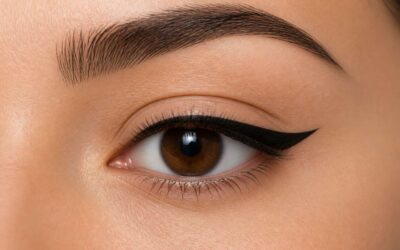
- Winged liner, a decisive flick that requires precise pigment placement and a steady hand.
- Smudged shadow effect, a soft halo that adds depth without a hard edge.
Each style demands a different hand pressure and pigment density. Lash line work stays subtle. Winged liner follows the eye’s natural crease. The smudged effect layers colour deeper into the skin. A skilled eyeliner tattoo artist adjusts the technique to match bone structure, skin thickness, and daily life.
Who is an ideal candidate for permanent eyeliner
The rise of cosmetic eyeliner tattooing in South Africa mirrors a broader shift in how people manage their faces. It is no longer reserved for the bridal suite or the catwalk. Professionals, parents, and students book sessions with an eyeliner tattoo artist before the festive season rush. The procedure has become an efficiency tool.
The ideal candidate for permanent eyeliner is defined by patience and expectations. A good candidate accepts that the line settles differently on every skin type. In my experience, these situations signal a strong fit:
- Allergies to eyeliner formulas
- Persistent watering that erases makeup
- Busy schedules that leave no time for precision work
- Physical work or sport that causes smudging
The rise also reflects a demographic tired of reapplying eyeliner before every video call. An eyeliner tattoo artist who understands this demand will see clients return for touch-ups, not because the ink fades quickly, but because the convenience becomes addictive.
Credentials That Separate Experts From Amateurs
State licensing and certification requirements for permanent makeup artists
A portfolio can be misleading. South Africa’s beauty industry lacks blanket regulation, so an eyeliner tattoo artist might operate without any oversight. That’s why state licensing matters!
In provinces like Gauteng and Western Cape, health and safety permits are mandatory. Certification adds another layer. Reputable artists complete courses accredited by the Health Professions Council of South Africa or similar bodies. I always request proof before booking. For example, you should verify:
- Valid infection control training
- Bloodborne pathogen certification
- Current first aid level 1
These separate serious professionals from amateurs.
Evaluating a portfolio: what to look for in healed results
Fresh photos flatter every hand. Healed results tell the truth. When I evaluate an eyeliner tattoo artist, I ask for images taken at least six weeks post procedure, after the skin settles and pigment reveals its final colour.
Look for crisp edges without feathering, colour that stayed true instead of fading to grey, and symmetry between both eyes. A trustworthy artist photographs their work in natural light, unedited, from multiple angles.
- Pigment retention across the full line
- No patchiness or skipping along the lash line
- Consistent colour from inner to outer corner
These details separate permanence from guesswork. A skilled artist welcomes scrutiny of healed work because the skin reveals their true skill.
Hygiene and sterilization standards in cosmetic tattooing
The finest eyeliner tattoo artist in Cape Town will happily show you their sterilisation log before they show you their healed results. Amateurs treat hygiene as an afterthought. Experts treat it as the foundation. A proper studio uses an autoclave to sterilise metal tools, while single-use needles and disposable pigment cups are opened in front of you. Medical-grade gloves, fresh barrier film, and a regulated waste bin are non-negotiable. In South Africa, where humidity accelerates bacterial growth, cutting corners is reckless. I once watched an artist wipe a needle on a rag. I walked out. Credentials mean little if the workspace reeks of shortcuts. Look for:
- Visible autoclave with weekly spore test records
- Sealed, single-use needle cartridges
- Separate areas for clean and contaminated equipment
These standards separate permanence from infection. An eyeliner tattoo artist who respects this process earns your trust and your eyes.
Continuing education and advanced training credentials
A certificate on the wall tells you where an eyeliner tattoo artist has been. It says little about where they are going. The practitioners I respect most treat training as an ongoing discipline. They return to the classroom every year, not because regulations demand it, but because pigment chemistry and skin biology evolve constantly.
Advanced courses in colour theory, skin tone analysis, and scar tissue correction separate the curious from the complacent. Some pursue international certifications. Others apprentice under masters in permanent makeup.
- Recent workshop certificates with practical examinations
- Membership in professional bodies with ethical codes
- Documented attendance at annual conferences
Ask when they last completed a course. The answer should be recent, specific, and verifiable.
Client testimonials and word-of-mouth reputation
A genuine eyeliner tattoo artist earns trust through the voices of past clients. Word of mouth spreads quietly in South African beauty circles, and it outweighs any advertisement. I have watched artists rise on a single referral chain while others fade despite impressive portfolios.
What separates the expert from the amateur is how clients describe the experience. Look for specific mentions of comfort, healing, and the artist’s honesty about limitations. Vague praise means little. Detailed accounts of the process, aftercare, and final results reveal real competence.
Consider these markers of authentic reputation:
- Clients who return for touch-ups years later
- Referrals to family and friends
- Testimonials that mention the consultation style
- Reviews noting the artist’s willingness to decline unsuitable procedures
An eyeliner tattoo artist with a loyal following has proven their skill repeatedly. Their reputation is built on the words of those clients.
The Pre-Procedure Consultation
Skin type, eyelid texture, and sensitivity evaluation
A pre-procedure consultation is a quiet map reading of your eyelids. Your eyeliner tattoo artist will first evaluate skin type, since an oily dermis holds pigment differently than a dry or combination texture. Next, eyelid texture comes into play; the artist notes how the skin folds, whether thin crepey layers or thicker tissue dominate, and how the needle might travel across that terrain. Sensitivity evaluation then determines numbing protocols and your likely comfort level. This assessment often covers:
- How your skin responded to previous cosmetic procedures
- The natural crease and fat distribution of the lid
- Any history of eye allergies or dry eye conditions
These details guide the artist’s hand and your experience. No two consultations run the same.
Selecting the right pigment shade for your skin tone
Choosing the right pigment shade is a conversation about undertones and light. Your eyeliner tattoo artist will examine your skin’s natural warmth, not just the surface color. This matters because the ink settles into the dermis and shifts slightly with healing.
- Fair skin often pairs with soft brown or grey tones
- Medium skin benefits from warm browns or deep charcoals
- Darker skin needs rich black or blue-black pigments
An experienced eyeliner tattoo artist reads the eye’s iris and the surrounding skin to avoid a harsh contrast. In South Africa’s diverse light conditions, what looks subtle indoors can appear stark outdoors. The artist will test a few shades on your inner wrist, then guide you through the choice. That pre-procedure consultation becomes a tailored color map.
Customizing eyeliner shape based on eye shape and bone structure
The pre-procedure consultation is where an eyeliner tattoo artist earns their keep. They study your orbital bone, lid crease, and the way your brow sits when your face is relaxed. Eye shape dictates the line. A hooded eye needs a thinner stroke; a round eye can take a defined lash line. Bone structure dictates the tail. The artist traces a temporary marker line while you sit upright, because gravity changes everything.
They also watch your expressions. A smile shifts the cheekbone, which shifts the wing. In South Africa’s glare, a line that looks delicate indoors can vanish or harden outdoors. The artist adjusts the angle accordingly.
- Check the natural symmetry of both eyes
- Measure the distance between the eye and brow
- Test how the line follows the lash root
This consultation is a working plan, not a formality. The eyeliner tattoo artist balances what you want with what your face will actually hold.
What to Expect During the Procedure
Topical numbing agents and pain management techniques
Most clients rank pain as their top concern before booking. A skilled eyeliner tattoo artist applies a topical numbing agent in stages, allowing the lidocaine to penetrate the dermal layers before any pigment is deposited. The first pass often feels like a light scratch, but subsequent layers become more tolerable.
Some artists use a vibration technique to distract nerve endings during the procedure. Others apply a secondary numbing gel after the initial outline, which keeps discomfort minimal even for sensitive eyelid skin. A few also use cooling airflow to calm the area between passes. You remain awake throughout, and the artist checks your comfort at each interval. The entire numbing protocol is designed to keep your eyes closed and your body relaxed.
Tools and equipment used by modern permanent makeup artists
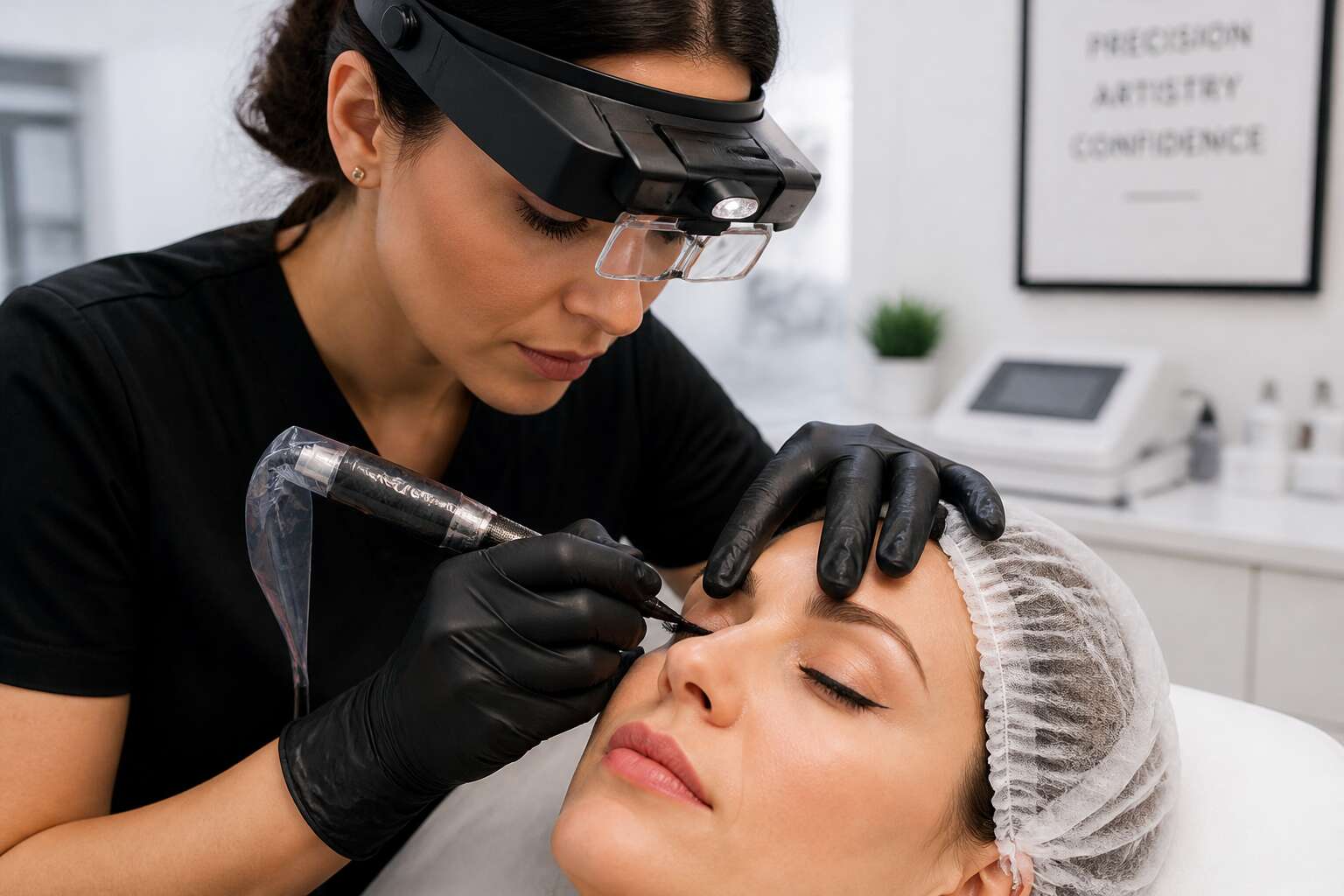
Once the numbing has taken hold, the eyeliner tattoo artist reaches for a digital permanent makeup machine. This tool is far lighter and more precise than traditional tattoo equipment, designed specifically for the delicate skin of the eyelid. The handpiece holds a sterilized, single-use needle cartridge, and the artist adjusts the speed to match the sensitivity of your eye area.
- Disposable needle cartridges in fine and medium diameters
- Individual pigment cups with sterile, measured ink
- LED magnifying lamp for close visibility
- A digital control unit to regulate stroke depth
You will hear a soft buzzing as the pigment is deposited in tiny, controlled dots. A saline mist and sterile gauze keep the working area clear, while the artist periodically checks your comfort. The whole process feels methodical and calm, with your eyes closed from start to finish. The eyeliner tattoo artist works in short passes, building the line gradually to avoid over saturation and ensure a smooth, healed result.
Step-by-step application process for precise lash line definition
Most people assume the eyeliner procedure starts with a needle. It actually starts with a pencil. The eyeliner tattoo artist maps the lash line with a fine marking instrument, checking symmetry with your eyes both open and closed, because the skin stretches differently in each position.
Once the shape is confirmed, a fresh layer of numbing gel is applied. Then the machine work begins!
Here is the sequence I follow:
- First pass deposits pigment along the outer half of the lash line
- The artist pauses to blot and assess colour saturation
- A second pass fills gaps, working inward toward the tear duct
- Final strokes define the taper at the outer corner
Your eyes stay closed throughout. The artist checks your comfort between passes, adjusting pressure to keep the line crisp without overworking the tissue. The sensation is a scratchy vibration, and the full application finishes in under two hours.
Typical session length and how many passes are required
Most first timers expect a full afternoon in the chair, yet a single session with an eyeliner tattoo artist rarely exceeds two hours. The needle time is only part of it. Mapping, numbing, and symmetry checks take up the rest. The machine work itself is usually two or three passes.
The first pass establishes the pigment line. The second pass deepens saturation. A third pass, if needed, focuses on the outer corner taper. Your skin type influences the count. Oily lids may need an extra pass to hold colour. Delicate tissue might require less.
- Your skin’s oiliness
- Desired line intensity
- Existing scar tissue
- How quickly the pigment settles
A good eyeliner tattoo artist will stop at two passes if the saturation looks right. Your artist checks between each pass, looking for gaps before moving on. You keep your eyes closed throughout. The vibration is noticeable but bearable, and the result feels raw for a few hours. That’s normal.
Immediate post-procedure appearance and redness management
When the procedure ends, expect mild alarm. The pigment sits on the surface, almost black, while the surrounding tissue flushes a blotchy pink. The swelling makes your eyes look tired, and redness can creep toward the brow bone for the first hour. None of this reflects the final result. I have seen clients wince at their reflection, then phone back a week later sounding different.
Your eyeliner tattoo artist will clean the area and apply a protective balm before you leave. The immediate sensation is raw and tender, with a faint burning that settles within hours. Redness management begins at home:
- A clean paper towel for patting the area dry.
- A week without eye makeup, regardless of patience.
- A cotton bud for the aftercare ointment.
The true colour emerges once the superficial pigment flakes away. Your eyeliner tattoo artist has seen every stage of healing and can tell you what is ordinary.
Scheduling the mandatory follow-up session
Before you leave the studio, your eyeliner tattoo artist will lock in the follow up appointment. This is a mandatory part of the process, not a courtesy call. Most artists book this revisit at the four to six week mark, once the skin has cycled through its healing phases.
At this session, the artist reviews pigment retention under consistent lighting and identifies any uneven absorption. The eyelid skin is unpredictable, so some areas may need reinforcement. Corrections are made then, not later, while the tissue is still stable. This visit is also your window to request subtle changes to line thickness before the tattoo settles permanently.
Aftercare and Long-Term Maintenance
First 24 to 48 hours: cleaning and avoiding moisture
In the first 48 hours, the eyeliner tattoo artist’s work is at its most vulnerable. The pigment is still settling into the epidermal layers, and any external interference can compromise the final result.
Cleaning follows a simple rhythm. Use the sterile saline provided, apply it with a fresh cotton pad, and work in soft, single strokes along the lash line. Never rub. After cleansing, gently press a dry tissue to absorb any remaining moisture.
- Avoid steam, saunas, and long hot showers.
- Do not exercise to the point of facial sweating.
- Keep all cosmetic brushes and creams away from the eyes.
Water is the primary threat. Excess moisture can dilute the pigment, wash it from the skin, or invite bacterial contamination. Trust the routine your eyeliner tattoo artist has given you. The discipline of these two days will shape how the liner looks for years.
The peeling and fading phase: what is normal and what is not
Between day three and day seven, the liner may appear to flake off in tiny, dark fragments. This is the stratum corneum shedding pigment that settled too superficially. It looks like fading, but it is healing. The color beneath will seem muted for a week or two before the true pigment resurfaces. Trust that process.
What is not normal includes swelling that worsens, oozing, or crusting that pulls away in thick pieces. These signs warrant an immediate consultation with your eyeliner tattoo artist.
- Peeling that lingers beyond ten days
- Patchy or blotchy healed areas
- Sharp pain after the first week
Those require professional assessment, not home correction. The eyeliner tattoo artist will determine if pigment loss is natural settling or an application fault.
Long-term color retention and factors that affect pigment longevity
After the healing fades, the real work begins. Longevity depends on how you treat the liner over months and years. Sun exposure is the biggest culprit for pigment drift, turning black lines into faint blue shadows. A good eyeliner tattoo artist will warn you about that during your consultation, but the daily responsibility lands on you.
I find that clients who use gentle cleansers and avoid oil-based eye makeup removers retain their definition far longer. The pigment sits in the upper dermis, and aggressive rubbing pulls it out over time.
Factors that affect pigment longevity:
- Sun protection habits on the eyelid area
- Skincare ingredients like retinol or acids near the eyes
- Natural skin cell turnover rate, which varies by age
- Quality of the original pigment and implantation depth
Your eyeliner tattoo artist can assess fading at the annual touch-up stageaving. But most people need a refresh every two to three years, depending on how their skin metabolises pigment. That is normal. That is maintenance.
Touch-up frequency and refreshing the liner over the years
Touch-up appointments are not a correction of poor work. They are the standard rhythm of permanent makeup. Your eyeliner tattoo artist will typically schedule the first refresh four to eight weeks after the initial procedure, once the skin has finished settling. That session catches any patchy healing and sharpens the line while the pigment is still fresh.
After that, the cycle slows down. Most clients book a refresh every two to three years. A skilled eyeliner tattoo artist can read the remaining pigment and decide whether to top up the existing layer or make a slightly deeper pass. Finer lash enhancement styles fade faster than bold winged liner because they carry less pigment mass.
Annual assessments track fading early. A refresh at the first sign of softening keeps the line looking deliberate, not neglected.
Pricing, Red Flags, and Smart Decision-Making
Average cost ranges for quality permanent eyeliner work
Pricing for permanent eyeliner in South Africa varies more than most clients expect. A reputable eyeliner tattoo artist will charge between R2,500 and R6,000 for the initial session, with the follow-up often bundled or offered at a reduced rate. Bargain pricing below that range usually signals inexperience or subpar pigments.
Watch for artists who dodge direct questions about pricing structures or demand full payment before you have seen a single testimonial. A professional in this field should provide a written breakdown of costs and a clear cancellation policy before any needle touches your skin.
- Unusually low quotes that climb once you arrive
- Vague promises about permanent results without explaining fading
- Pressure to book on the spot
Smart decision-making means weighing the artist’s communication style alongside their quoted price. In my experience, the priciest artist is not always the best listener. Notice whether they answer questions with patience or deflection. The right eyeliner tattoo artist will encourage scrutiny, not rush you, because they understand this work remains on your face for years.
Red flags: unlicensed artists, no patch tests, and unsanitary setups
The gap between a good quote and a good result is wider than most clients realise. A genuine eyeliner tattoo artist will talk you through the full procedure, the healing arc, and the realistic colour outcome before mentioning payment. That transparency is the first sign of professionalism.
Red flags should end the consultation immediately. An unlicensed practitioner working from a home setup without visible sterilization equipment is not worth the risk. No patch test? Walk away. A portfolio that only shows fresh photos, never healed ones, is another warning sign. These shortcuts compromise your safety and your eyesight.
- Unlicensed practice or no verifiable certification
- No patch test performed before the procedure
- Unsanitary workspace or unclear hygiene protocols
- Pressure tactics to book and pay on the spot
A seasoned eyeliner tattoo artist will encourage scrutiny. They will show you their autoclave, explain needle disposal, and answer repeated questions with patience. Trust your instincts. If the consultation feels rushed or evasive, find another artist. Your face deserves better than a bargain.
Questions to ask before committing to a session
Pricing reveals more than a number. A confident eyeliner tattoo artist in Johannesburg or Cape Town quotes a fee that reflects their overheads, training, and the reality of standing behind their work months later. The cheapest quote in your inbox is not a deal. It is a warning! I have seen clients pay twice, once for the procedure and again for the correction.
You know the obvious red flags. Add another: an artist who cannot explain their own pricing breakdown. Vague answers about pigment brands, numbing agents, or why costs vary between clients signal a shaky foundation. Professionals itemise without hesitation.
- What does the quoted price include, from consultation to follow-up?
- Who performs the procedure if the artist is unavailable?
- What is the refund or correction policy?
Written answers separate seasoned artists from salespeople. Find an eyeliner tattoo artist who documents their process, pricing, and policies. That accountability protects you long after the pigment settles.

0 Comments