Overview of Equine Permanent Makeup
Definition and scope of equine permanent makeup
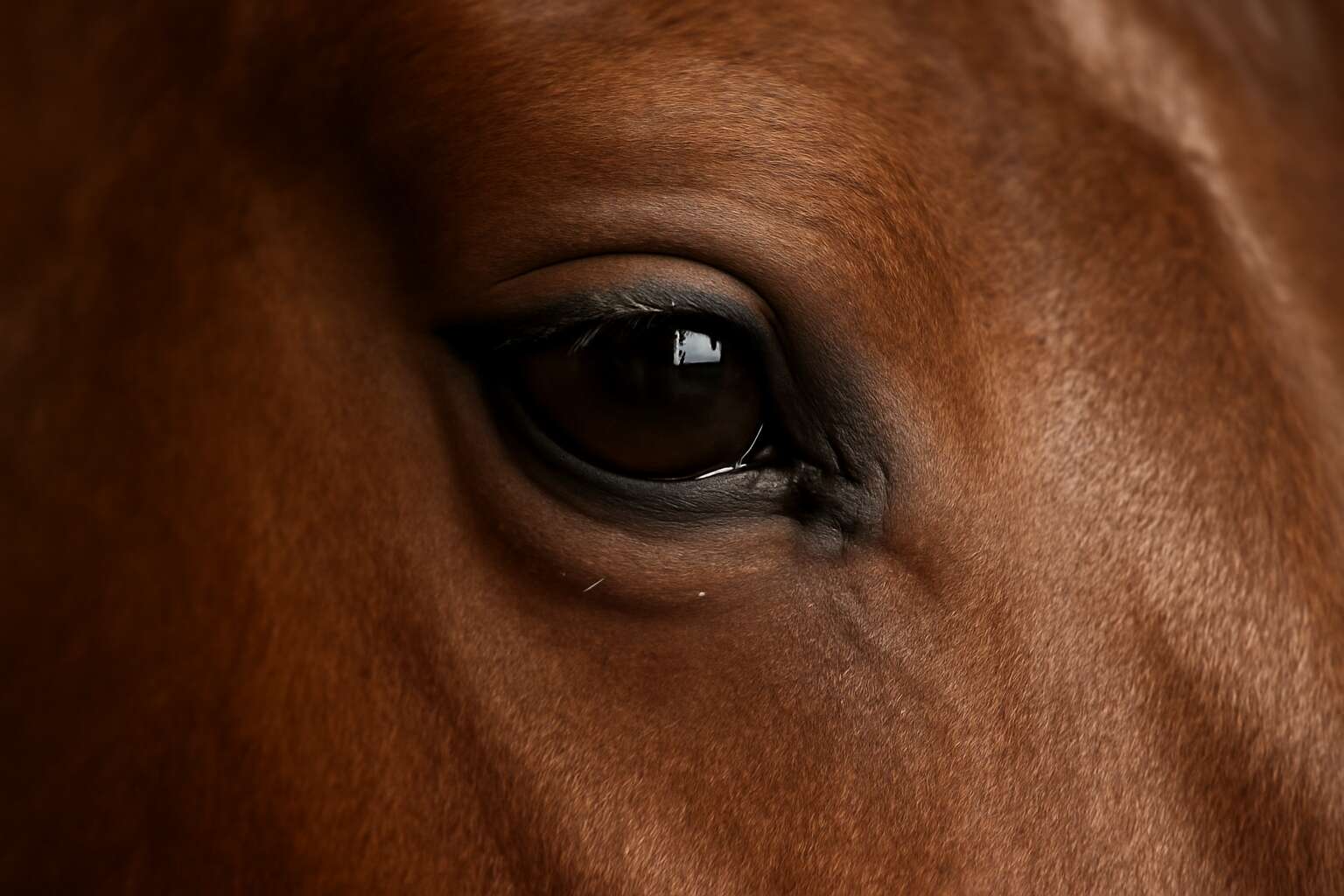
Across South Africa’s rural mornings, a horse’s gaze tells a quiet story. The service offers permanent eyeliner for horses, defining a precise lash line and soft shading around the eye with safe pigments and careful technique. The scope covers subtle enhancements for aging or pale-eyed horses, delivering confident, show-ready definition that endures dust and rain!
Within this field, artistry meets safety: pigment tones suited to coat color, sterile tools, and respectful handling of sensitive skin. The aim is to enhance expression without compromising eye health and comfort.
- pigment choices that suit color and light
- sterile, disposable equipment standards
- gentle aftercare to support skin healing
In a country where stable life hinges on trust and routine, this work adds enduring quiet beauty.
Key terms and jargon
In South Africa’s quiet stables, the eye communicates more than words. A well-tuned lash line can transform a horse’s expressiveness without altering movement. In equine permanent makeup, practitioners navigate a shared vocabulary that keeps artistry safe and predictable.
Key terms and jargon you’ll encounter include:
- lash line – the defined edge where eyelid and lashes meet
- pigment – the safe, tinted color used for the outline and shading
- sterile technique – disposable tools and a clean setup to protect sensitive skin
- retention – how long the pigment remains visible without fading
In practice, permanent eyeliner for horses relies on pigment tones that harmonize with coat color and eye brightness, balancing subtle enhancement with comfort. The jargon you hear—placement, shading, retention—frames conversations between farrier, vet, and client.
Benefits and use cases for horses
Across South Africa’s quiet stables, eyes tell a story louder than any hoofbeat. “Eyes are the language of trust,” a seasoned equine practitioner notes, and the craft of permanent eyeliner for horses aims to honor that language with safety and subtlety. Durable, low-maintenance pigment aligns with the horse’s coat and eye brightness, keeping expression balanced and dignified.
Applied with care, it preserves natural expression and minimizes drift in pigment. Tailored tones harmonize with coat color and eye brightness, delivering a balanced gaze for South African horses across disciplines. For many clients, permanent eyeliner for horses becomes a durable, low-maintenance addition to routine care.
Use cases for the gaze-defining technique include:
- Competition-readiness with precise facial cues
- Improved handling in low light and busy stables
- Consistent appearance across seasons and coats
These scenarios showcase how thoughtful pigment and placement support comfort, safety, and clarity in every ride.
Common concerns and misconceptions
Eyes are the real referee in the arena, and a sharp gaze can calm a crowd faster than a clatter of hooves! “Eyes are the language of trust,” insists an equine clinician, and that belief underpins permanent eyeliner for horses in our South African stables.
Common concerns hover around safety, pigment compatibility, and whether the look will drift as seasons change. With proper veterinary oversight, medical-grade pigments, and meticulous placement, the aim is subtle enhancement—not a bold line that screams for attention!
To separate myth from matter, consider these points:
- Pigment safety and allergy screening
- Maintenance and re-touches over time
- Color stability across light, moisture, and coats
When carried out with care, the technique preserves natural expression and keeps the gaze balanced. In South Africa’s quiet stables, a well-defined eye says calm confidence without shouting for attention.
Design and Application Considerations
Eye anatomy and placement strategies
Eye contact says more than words, and for horses in South Africa’s stables it can mean calmer handling and clearer expression. In clinics offering permanent eyeliner for horses, a well-defined, natural-looking line often translates to easier grooming and reduced rubs. The aim is precise design that respects anatomy, not fashion.
Design and placement hinge on tracing the natural lash line and the eye’s curvature. Consider line thickness, color, and symmetry to suit each horse.
- Follow the lash line’s natural curve
- Keep a safe distance from the tear duct and third eyelid
- Choose a pigment that matches eye and coat tones
Eye anatomy and placement strategies are guided by the palpebral fissure, eyelids, and the nictitating membrane. In South Africa, welfare standards shape practice, ensuring pigment sits with lid movement and away from sensitive tissues for a balanced, lasting result.
Style options and placement patterns
A single, clean line can soften a horse’s gaze in the busy stables—it’s geometry, not magic! In design and application considerations, the aim is a style that enhances expression while respecting anatomy. For permanent eyeliner for horses, the choice of line style balances visibility with comfort and durability.
- slender, natural tone that follows the lash line closely
- soft smoked edges for a less defined, forgiving look
- crisp, subtle lift that extends slightly at the outer corner
Placement patterns mirror the eye’s curvature and eyelid movement, guiding line length and symmetry to suit each horse. In South Africa, welfare standards shape practice, ensuring pigments move with lids and stay clear of sensitive tissues for a balanced look.
Color theory and pigment selection
Across South Africa’s stable yards, the gaze is currency. A crisp lash line can soften a horse’s expression amid activity, while staying comfortable. Designing permanent eyeliner for horses means translating color theory into a line that reads as a natural lash extension. The aim is visibility and durability without compromising movement or welfare.
Color theory informs pigment choice: depth should harmonize with the coat, and edges should soften with time as the lid moves. Consider these practical touchpoints:
- Harmonious tone that blends with the lash line and coat.
- Safe, stable pigments, with iron oxide bases favored for durability.
- Edge control that follows eyelid curvature to prevent migration.
In South Africa, welfare standards shape practice, ensuring pigments move with lids and stay clear of sensitive tissues for a balanced look. This balance preserves animal comfort and public trust—the core of any long-lasting permanent eyeliner for horses.
Longevity and fading expectations
Across South Africa’s sunlit stable yards, longevity is the keynote. Permanent eyeliner for horses has to read as a natural lash extension—visible, but not shouting. A well-designed line remains comfortable as lids dance with every stride and shadow shifts with the day’s light.
Design and application considerations for longevity and fading expectations include several moving parts:
- Coat color and lash interaction—edge density should harmonize with movement, not cling to fur.
- Pigment stability and safety—iron oxide bases offer durability without undue risk.
- Migration control along eyelid curvature—edge follows the lid to stay tidy as skin shifts.
In practice, the pace of fading is neither dramatic nor predictable, and expectations should reflect the animal’s welfare and the public’s trust in equine care.
Ethical and aesthetic considerations
Across South Africa’s sun-washed stable yards, care shows up in the subtleties that riders notice first. A clean line that looks intentional, not loud, is the measure of ethical work. “We earn trust by making welfare visible in the gentlest possible way,” a SA equine clinician says. That mindset shapes every choice, from tool handling to the final appearance.
For permanent eyeliner for horses, ethics and aesthetics walk hand in hand. Designers and applicators should prioritize welfare: minimized handling stress, sterile technique, and a look that respects the animal’s movement and aging. Transparent owner consent and clear welfare monitoring are essential, ensuring the work remains a quiet enhancement rather than a statement.
Done right, the result sits naturally in the gaze, aligning with public expectations while supporting responsible equine care.
Safety, Regulation, and Welfare
Regulatory guidelines and professional standards
In stables at dawn, a single careful stroke can guard a horse’s comfort for years. Safety for permanent eyeliner for horses begins with sterile tools, clean spaces, and gentle handling. Trained practitioners use biocompatible pigments and monitor for irritation, while minimising stress with patient, slow techniques and clear aftercare.
Regulatory guidelines in South Africa blend animal welfare law with industry best practices. Procedures should be performed or supervised by a qualified veterinarian or a certified equine cosmetic technician, with hygiene and recordkeeping in place. Reputable pigment suppliers and clear owner consent are essential.
Welfare guides every choice, from consent to post-procedure well-being. Practitioners read body language and recovery comfort, pausing if signs of stress appear. Ethical artistry means choosing the right candidate and pacing actions to respect the horse’s dignity.
Animal welfare and safety precautions
Safety starts where dawn light touches the stable floor. Sterile tools, clean spaces, and gentle handling guard a horse’s comfort for years. Trained practitioners use biocompatible pigments and watch for irritation, slowing the process if any sign of distress appears. Clear aftercare supports healing.
In South Africa, regulatory guidelines blend animal welfare law with industry best practices. Procedures should be performed or supervised by a qualified veterinarian or certified equine cosmetic technician, with hygiene and recordkeeping in place. Reputable pigment suppliers and owner consent are essential.
Welfare guides every choice, from consent to recovery comfort. Practitioners read body language and pause if signs of stress appear. Ethical artistry means choosing the right candidate and pacing actions to respect the horse’s dignity, especially when considering permanent eyeliner for horses.
Risk assessment and client education
In the quiet SA dawn, safety starts on the stable floor, where every decision for permanent eyeliner for horses carries weight. A calm hand and attentive eye set the tone for success, not complication.
Before any session, a welfare-centric risk assessment guides every move—watching for signs of distress, keeping tools sterile, and pausing at the first whiff of discomfort. For permanent eyeliner for horses, the goal is safety first, with a plan to minimize processing time and stress and to support a clean, gentle healing journey.
Regulation in South Africa ensures oversight and accountability.
- Procedures should be performed or supervised by a qualified veterinarian or certified equine cosmetic technician.
- Hygiene, sterilization, and careful recordkeeping are mandatory.
- Use only reputable pigment suppliers with traceable batches, and obtain owner consent.
Equine welfare education for clients means clear expectations about candidacy, pacing, and signs that warrant a pause. When owners understand the process, they support a respectful, dignified outcome for the horse—our shared goal in every pass of the needle.
Preparation, Procedure, and Post-Procedure Care
Pre-procedure prep for horse and handler
Preparation sets the stage for a safe, precise result in permanent eyeliner for horses. In South Africa, the process starts with a welfare check and a calm environment to minimize stress for horse and handler. Clear recovery timelines help owners stay confident.
- Vet welfare consent
- Calm handling and safe restraint
- Pre-cleaning around the eye
During the procedure, a trained technician uses sterile pigments and careful line work to protect the eye. The aim is balanced, precise placement while the horse remains calm and supported, with local anesthesia if requested.
Post-procedure care focuses on healing and pigment retention. Expect mild swelling, keep the area clean, and avoid rubbing while monitoring for irritation that could affect the look.
Step-by-step procedure outline
Preparation sets the stage for a precise result in permanent eyeliner for horses. In South Africa, a quiet, well-lit arena and clear expectations keep both horse and handler calm. A thoughtful plan—timing, design, and consent—helps the session flow with confidence and care, like guiding a star across a velvet dawn.
Procedure unfolds in a controlled, stepwise rhythm. The following steps ensure safety, accuracy, and comfort and support lasting results.
- Stabilize the head and apply sterile barriers to the eye area.
- Choose pigments and set sterile tools; prepare local anesthesia if requested.
- Trace the design with a fine, balanced line and adjust for symmetry.
- Validate placement, then complete pigment deposition and document settings.
Post-procedure care focuses on healing and pigment retention. Expect mild swelling, keep the area clean, and avoid rubbing while monitoring for irritation that could affect the look.
Anesthesia, sedation, and pain management
In South Africa, owners and handlers approach permanent eyeliner for horses with care, seeking quiet, well-lit arenas and clear expectations to keep the creature calm. Preparation centers on welfare, consent, and the environment—lighting, footing, and routine peace, so partnership shines from the first moment!
The procedure unfolds in a controlled, thoughtful rhythm. When anesthesia or sedation is requested, professionals discuss options, rely on sterile tools, and trace the design with a balanced line to respect anatomy and symmetry; the emphasis remains safety and comfort rather than rapid results.
Post-procedure care focuses on healing and pigment retention: mild swelling is normal, the area stays clean, and rubbing is avoided while monitoring for irritation. Discussions about anesthesia, sedation, and pain management remain part of ongoing welfare considerations in practice.
Immediate aftercare and healing timeline
Preparation lays the groundwork for a calm, precise result. In South Africa, we assess welfare and shape the environment—quiet arenas, clear footing, and soft lighting—to keep the horse cooperative. Sterile tools, design planning, and pigment choice align with anatomy and temperament, especially when considering permanent eyeliner for horses.
- Consent documented
- Quiet arena and footing
- Sterile tools and design plan
The procedure unfolds in a measured rhythm: tracing the line, validating symmetry, and prioritizing safety over speed. Sterile tools wait at the ready, and the design is checked against the horse’s contours to minimize trauma and preserve comfort throughout the process.
Immediate aftercare focuses on cleanliness, gentle monitoring for swelling, and preventing rubbing. Over the first days, expect mild swelling and pigment settling; the area should remain clean and dry, with routine checks for irritation. The healing timeline spans several weeks as color stabilizes and pigment bonds settle into the skin.
Maintenance, Troubleshooting, and Long-Term Outlook
Routine checkups and signs of complication
Maintenance for permanent eyeliner for horses is a quiet ritual, a continuation of care after the pigment settles. Gentle cleansing with a damp cloth, avoidance of harsh chemicals, and shielding the eye during sun and mud help preserve symmetry. Regular checkups confirm pigment stability and early signs of fading.
Troubleshooting: If changes appear—blur, uneven edges, or irritation—pause and consult your practitioner. Signs of complication:
- redness beyond the lash line
- persistent swelling
- discharge or crusting that won’t clear
Long-Term Outlook: With proper care, results endure for years, softly fading while keeping the intended accent. In SA’s climate, sun and heat can influence fade, making occasional professional touchups a normal expectation.
Touch-ups and longevity of results
Maintenance for permanent eyeliner for horses is a quiet ritual that preserves the crisp, scoring-free line long after the pigment settles! Gentle cleansing with a damp cloth, avoiding harsh chemicals, and shielding the eye from sun and mud help sustain symmetry and depth.
- Gentle cleansing with a damp cloth
- Avoid harsh chemicals near the eye
- Shield from sun and mud
Troubleshooting: If changes appear—blur, uneven edges, or irritation—pause and consult your practitioner. Signs of complication include redness beyond the lash line, persistent swelling, or discharge or crusting that won’t clear.
Long-Term Outlook: With proper care, results endure for years, softly fading while keeping the intended accent. In South Africa’s sun and heat, fade can be accelerated, so occasional professional touchups become a normal part of upkeep.
Cost, scheduling, and selecting a provider
Maintenance for permanent eyeliner for horses is a quiet ritual that preserves the crisp, scoring-free line long after the pigment settles! Gentle cleansing with a damp cloth, avoiding harsh chemicals, and shielding the eye from sun and mud sustain symmetry and depth. In South Africa’s sun and heat, fade can be accelerated.
- Transparent pricing and value
- Flexible scheduling and aftercare support
- Qualified, insured providers with welfare standards
Troubleshooting: If changes appear—blur, uneven edges, or irritation—pause and consult your practitioner. Redness beyond the lash line, persistent swelling, or crusting that won’t clear signal a complication.
Long-Term Outlook, Cost, scheduling, and selecting a provider: With proper care, results endure for years, softly fading but keeping the intended accent. In SA, fade can be accelerated; routine touchups stay normal. When selecting a provider, seek clear pricing, flexible scheduling, and welfare-focused, certified technicians.

0 Comments