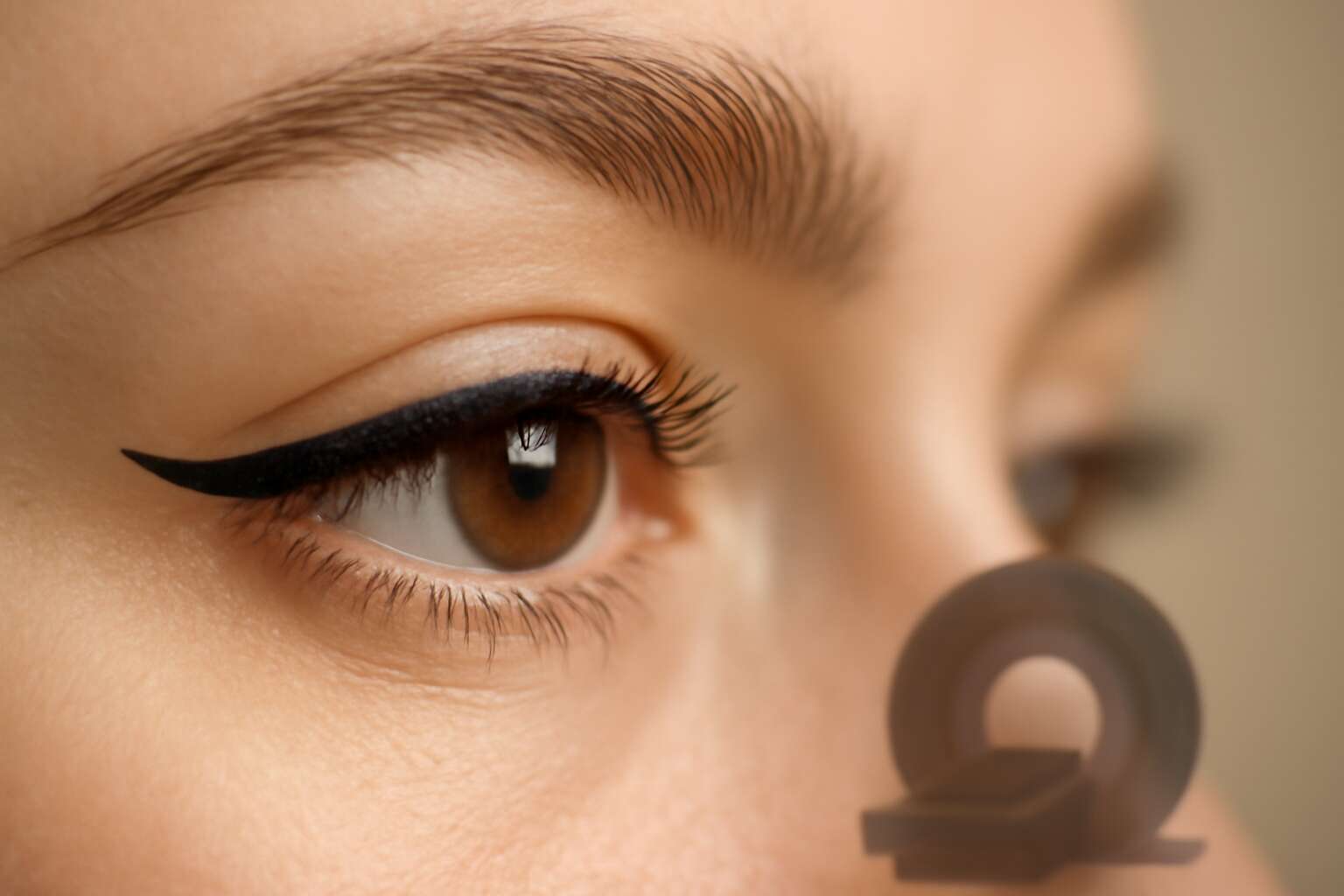
Eyeliner tattoo MRI safety overview
What eyeliner tattoo is and why it matters for MRI
Across South Africa’s MRI suites, a telling stat sticks in the mind: 68% of patients with cosmetic tattoos worry the scan could disturb their ink or safety. Eyeliner tattoo, a popular choice along the lash line, sits where beauty meets the body’s quiet physics. This is the realm of eyeliner tattoo mri—a safety overview that treats aesthetics with curiosity, not fear.
Pigments chosen for eyeliner tattoos are usually stable, yet some inks carry trace metals that interact with strong magnetic fields. In the MRI world, that can mean image distortion or, rarely, localized heating near the eye. Clinicians weigh these factors against the desire for a confident, natural look, guiding imaging with care and respect for patient stories.
MRI safety basics for cosmetic tattoos
Across South Africa’s MRI suites, 68% of patients with cosmetic tattoos worry the scan could disturb their ink or safety. In the eyeliner tattoo mri landscape, beauty meets the body’s quiet physics, and safety becomes a dialogue rather than a dare. I’ve seen radiologists frame questions with tact, turning worry into calm.
Safety basics hinge on pigment chemistry and magnetic physics. Most inks stay stable, yet some contain trace metals that interact with strong fields, risking image distortion or rare, localized heating near the eye. Clinicians weigh these factors against a natural look and speak with patients to align expectations with the scan.
- Pigment stability and trace metals
- MRI field interactions: distortion and heating
- Communication guiding the imaging plan
Ultimately, the experience sits at the crossroads of art and science, where a patient’s story guides the scan and the body’s magnetism stays politely in the frame.
How MRI works and potential interactions with pigments
Across South Africa, 68% of patients with cosmetic tattoos worry the scan could disturb their ink or safety. In the eyeliner tattoo mri landscape, safety isn’t a dare—it’s a dialogue between pigment and magnetism.
MRI works by applying a strong magnetic field and precise radio waves to align and read the body’s hydrogen protons. Most inks stay calm, but trace metals in some pigments can nudge the field, risking image distortion or, rarely, a touch of localized heat near the eye.
For radiologists, the concerns translate into three practical considerations:
- Distortion of adjacent tissues from magnetic susceptibility
- Localized heating near metal-containing pigments
- Signal voids that could obscure eyelid detail
Ultimately, the journey is art meeting physics; every scan is tailored to the patient’s story, keeping the ink comfortable in the frame and the eye safely in focus.
Who should read this guide before medical imaging
In South Africa, 68% of patients with cosmetic tattoos worry a scan could disturb their ink or safety, turning the MRI suite into a dialogue between pigment and magnetism. Eyeliner tattoo mri safety is not a dare; it is a careful choreography of science and storytelling, where pigments meet physics with respect. This overview speaks to readers who will encounter imaging in the eyelid region: patients considering or living with eyeliner tattoos—and the professionals who guide them—radiologists, MRI technologists, dermatologists, and referring clinicians. The goal is clarity: understanding potential pigment-metal interactions so comfort and accuracy can coexist in every scan. eyeliner tattoo mri realities invite curiosity and careful reasoning.
Who should read this guide before medical imaging?
- Patients with eyeliner tattoos seeking reassurance about imaging
- Radiologists planning imaging protocols on the eyelid area
- MRI technologists operating scanners with cosmetic pigment awareness
- Dermatologists and referring clinicians coordinating care
Pigment chemistry and MRI interactions
Typical eyeliner pigment compositions
Under the eyelid, pigment is a tiny traveler, mapping a secret route through magnetic mountains and whispering RF currents. For eyeliner tattoo mri, pigment chemistry decides how the ink behaves in the MRI’s quiet magnetism. Metallic tones can nudge signal or cast faint shadows, while well-formulated organic blends glide with the field. The real artistry lies in particle size, binding media, and pigment phase—balancing color fidelity with safety so the eye remains expressive and the scan stays true.
- Iron-oxide based pigments
- Carbon black pigments
- Titanium dioxide and organic binders
Knowing these typical pigment compositions helps imaging teams tailor MRI protocols and preserve artistry across South Africa’s clinics.
Metallic compounds and ferromagnetic particles
Ink meets magnet, and the result can swing between poetry and shadow. A radiologist once put it plainly: ‘Ink is a tiny compass, drawn to the field and pausing at the edge of its pull.’ In the world of eyeliner tattoo mri, this quiet tension guides how the eye reads during imaging and how artistry endures.
Metallic compounds and ferromagnetic particles stand at the heart of this effect. Ferromagnetic elements can distort local magnetic fields, nudging signals and casting faint shadows that the eye might notice on a scan. Organic blends in well-formulated inks glide with less resistance, preserving color fidelity while staying visually true in the MRI environment.
- Ferromagnetic particles that respond to the magnet
- Paramagnetic pigments with minimal interaction
- Binding media and particle size control
Understanding these dynamics helps imaging teams tailor MRI protocols across South Africa’s clinics, preserving artistry during eyeliner tattoo mri while the machine hums in the quiet.
MRI artifact considerations for tattoos
In eyeliner tattoo mri, pigment chemistry is a quiet architect of image reality. Some metallic-based pigments mingle with the magnet, nudging shadows toward the eye socket; organic inks glide with less resistance, preserving color fidelity as the coil hums. Particle size and binding media temper these interactions, coaxing a durable appearance that survives both pigment wear and the machine’s whispering magnetism.
MRI artifact considerations for tattoos demand a balance between artistry and diagnostic clarity. In the periocular zone, pigment clusters can yield small signal voids or edge glints that radiologists learn to read as pigment signatures rather than flaws. Across South Africa’s clinics, understanding pigment chemistry guides imaging teams to anticipate artifacts and harmonize the viewer’s eye with the scan.
- Pigment class and magnetic behavior
- Particle size and coating integrity
- Binder chemistry and base media
Differentiating organic vs mineral pigments in MRI context
In the MRI suite, eyeliner tattoo mri pigments behave like quiet actors on a bright stage. Across South Africa’s clinics, artifacts in periocular scans appear in roughly a quarter to a third of cases, driven by pigment chemistry and location.
Organic inks, often dye-based, tend to pair with the field and preserve color fidelity; mineral pigments—iron oxides, metal salts—show stronger magnetic interactions and bigger artifacts. Particle size and coating integrity matter: small, well-bonded particles drift less under the magnet’s hum, while rough coatings invite edge glints near the eyelid.
- Organic pigments: usually carbon-based or dye-based, with fewer signal voids but possible color shifts.
- Mineral pigments: metal-based compounds that more commonly produce susceptibility artifacts and edge distortions.
Potential heating risks and safety implications
In the MRI chamber, pigment chemistry reads as a quiet, stubborn confession. eyeliner tattoo mri translates organics as a gentle, color-faithful partner and minerals as more forceful magnets. I watch the eyelid’s map bend under the bore’s bright hum, a study in risk and resolve.
Potential heating risks surface when pigments absorb energy and coatings fail under sustained fields. Safety implications go beyond images—they touch consent, disclosure, and trust in the imaging room. The body’s quiet dialogue with dye and metal becomes a moral hinge.
The pattern depends on particle size and coating integrity; smaller, well-bonded particles drift with gentler grace, while rough coatings invite edge glints near the lashline. eyeliner tattoo mri exposes a truth: accuracy and ethics walk the same corridor.
- Localized heating risks near periocular tissue
- Safety implications tied to consent and MRI protocol considerations
Safety protocols and medical guidance
Consultation steps with radiology and cosmetology teams
In the MRI suite, a subtle eyeliner tattoo can steer the whole procedure—good dialogue between specialists is the real safety net. For eyeliner tattoo mri, safety hinges on precise, cross-disciplinary communication between radiology and cosmetology teams. That collaboration ensures the scan respects both patient comfort and imaging integrity.
Consultations unfold as a shared briefing, balancing cosmetic realities with imaging needs. The radiology team reviews scan protocol and potential interactions, while the cosmetology team explains pigment placement and historical techniques. To illustrate how this works, here are the core touchpoints:
- Review pigment chemistry and magnetic risk
- Align tattoo location with the planned imaging field
- Document patient history, consent, and any prior reactions
Within South Africa’s diverse imaging centers, this cross-team dialogue is a hallmark of patient safety and trust. When done well, it preserves diagnostic clarity and respects personal cosmetic choices without drama.
Documentation and pre-scan questionnaires
Safety in the MRI suite hinges on rigorous documentation and a disciplined pre-scan questionnaire. Across South Africa’s diverse imaging centers, the team aligns patient comfort with imaging needs long before a scan starts. The eyeliner tattoo mri scenario underscores how precise medical guidance and a clear consent trail can prevent surprises in the suite—while preserving personal cosmetic choices.
Key documentation touchpoints include:
- Completed pre-scan forms detailing allergies, implants, and pigmentation history
- Explicit consent for tattoo-related imaging considerations
- Recorded pigment type and placement verification in relation to the planned imaging field
From a safety protocols perspective, the radiology and cosmetology teams review the scan protocol, confirm patient comfort measures, and ensure there is a clear line of medical guidance for any concerns during the procedure. The outcome is a respectful balance between diagnostic clarity and personal expression.
In-scan monitoring and communication protocols
‘Safety is not a feature, it’s the operating system,’ a SA radiologist once quipped, and the MRI suite runs on that code. In eyeliner tattoo mri contexts, safety protocols hinge on real-time in-scan monitoring and clear medical guidance. Teams align patient comfort with imaging needs long before any gradient coils hum—because a calm patient makes cleaner images and fewer surprises for everyone involved.
During the scan, dedicated staff employ a structured communication protocol for eyeliner tattoo mri: a two-way intercom, a patient call button, and predefined check-ins to confirm comfort and pigment-related concerns without breaking the rhythm of imaging.
- Continuous in-scan observation by trained radiology technologists
- Immediate escalation path for patient discomfort or tattoo heating sensations
- Post-procedure debrief to document guidance and any modifications
Post-scan assessment for visual changes or irritation
In the wake of the MRI, safety protocols in SA imaging suites pivot to medical guidance and careful observation. Post-scan assessment for eyeliner tattoo mri focuses on pigment stability, new visual changes around the eyelid area, and any irritation patients report after the magnet settles. The approach is cautious but calm, ensuring patients understand when to seek follow-up care without triggering alarm bells.
The radiology team may track these during post-scan documentation:
- Visual changes to the eyeliner tattoo pigment or surrounding skin
- Patient-reported sensations, redness, or warmth
- Recommendations for dermatology or further imaging if concerns arise
A structured debrief records the guidance given and any modifications to care, closing the loop between radiology and cosmetology teams for eyeliner tattoo mri patients in South Africa.
Considerations for high-field vs. low-field MRI machines
Safety protocols in South Africa’s MRI suites hinge on thoughtful guidance, patient reassurance, and meticulous observation. High-field systems deliver sharper anatomy, but they also intensify the conversation around eyeliner tattoo mri, pigment behavior, and eyelid comfort. Medical guidance weighs the magnet’s impact, the skin-pigment interface, and the risk profile without sensationalism—ensuring patients understand what changes, if any, warrant follow-up while staying calm.
- High-field versus low-field considerations: image clarity versus artifact tendencies and localized heating potential near cosmetic pigments
- Safety reporting: patient sensations, redness, or warmth that inform clinical assessment
- Interdisciplinary coordination: explicit communication between radiology and cosmetology teams to align medical guidance
Ultimately, the framework aims for seamless care—documenting the equipment context, pigment stability observations, and any recommendations for future imaging in a manner that reassures patients and protects imaging integrity.
Practical steps for patients with eyeliner tattoos
Before scheduling: evaluating tattoo specifics and age
Your eyeliner tattoo mri journey should begin with a calm audit of what sits on your lids. A radiologist once quipped that ink outlives fashion—safety doesn’t care about trends. Before scheduling, size up the tattoo’s age and what it might reveal about pigment, coverage, and any quirks that could influence imaging!
Before scheduling, consider these checks:
- Age of the tattoo: time since application and any touch-ups.
- Notes from the artist or clinic about pigment, color, or layering.
- Any prior skin sensitivities or reactions to cosmetics.
- Current appearance: intact eyeliner line and absence of swelling or changes near the eye.
Armed with this context, the radiology team can interpret MRI results more smoothly and reduce unexpected findings when eyeliner tattoo mri.
Deciding on removal vs protection: when to consult a professional
“Ink outlives fashion—safety doesn’t care about trends,” a radiologist once noted, and that rings true for eyeliner tattoo mri. In South Africa, patients face a quiet choice: keep the look or balance it with imaging needs, all while prioritising safety and comfort.
The considerations tend to be subtle rather than prescriptive. The following points help frame the conversation between patient and imaging team:
- Image interpretation: pigment can produce subtle artifacts near the eyelids
- Skin history: prior sensitivities to cosmetics may affect comfort after scanning
- Documentation: pigment details from the artist support accurate imaging records
Preparation and what to wear or avoid on scan day
Ink can outlive fashion, but safety never keeps pace with a trend. For eyeliner tattoo mri, a small lash-line mark can influence a scan’s clarity. In South Africa, patients balance appearance with imaging needs, aiming for comfort and accurate results.
Practical steps come from dialogue rather than a rigid rulebook. Sharing pigment details from the artist helps the radiology team interpret potential artifacts. Mention any sensitivities to cosmetics and provide a concise history of eye-area products; this information supports a smoother examination.
- Share pigment type, shade, and placement as described by the artist.
- Note any known sensitivities or prior eye reactions to cosmetics.
- On scan day, keep the eye area clean and avoid applying new products around the lids.
These considerations help preserve image quality while keeping comfort at the fore.
During MRI: minimizing risk and staying still
In MRI rooms, a stray lash-line tattoo can muddle the image. For eyeliner tattoo mri, practical steps make all the difference—keeping you comfortable while preserving scan clarity. Across South Africa, patients weigh appearance against imaging needs with care and calm!
- Share a concise pigment snapshot: the artist’s notes on pigment type, shade, and placement to help radiology interpret artifacts.
- Note any sensitivities or past reactions to cosmetics to tailor safety precautions.
- On scan day, keep the eye area clean and avoid applying new products around the lids; tell the technologist if irritation or unexpected movement occurs.
Staying still and following team guidance supports optimal results without sacrificing comfort.
Post-scan care and when to seek medical advice
Post-scan care for eyeliner tattoo mri is straightforward and stabilizing. For eyeliner tattoo mri patients, gentle cleansing around the eyelids and avoiding rubbing helps preserve pigment and comfort. Hold off on new eyelid products for 24 to 48 hours, and use a mild, fragrance-free cleanser if needed.
Be attentive to signals that warrant medical advice: persistent redness, swelling, burning, discharge, or a sudden change in pigment!
- Record any sensitivities or prior cosmetic reactions for future reference.
- Note evolving symptoms and keep any recommended follow-up appointments.
- Avoid swimming or heavy sweating around the eye area for 24 to 48 hours after the scan.
Myths, FAQs, and future trends
Common myths about eyeliner tattoos and MRI safety
Many myths swirl around eyeliner tattoo mri, especially about heat, distortion, or pigment migration during a scan. Some whisper the ink will spark or blur the image. The truth is steadier: modern pigments and MRI protocols respect safety margins, and the risk remains low when patients disclose details and technicians monitor the scan.
FAQs are practical, focusing on what truly matters during pre-scan checks.
- Will eyeliner tattoo mri affect my scan quality?
- Is it safe to proceed with MRI if I have cosmetic eyelid ink?
- Should I declare pigment type or shade to radiology?
Future trends: Looking ahead, safer pigment chemistry, standardized pre-scan questionnaires, and smarter artifact-management will shape eyeliner tattoo mri safety. In South Africa, clinics are embracing patient-centered education and cross-disciplinary checks, so eyes stay protected without delaying essential imaging.
Frequently asked questions during MRI with tattoos
The MRI chamber is a precision instrument, not a séance of sparks. Myths about eyeliner tattoo mri—heat, distortion, pigment migration—still linger, but modern pigments and scanning protocols respect safe margins. When patients share details and technicians monitor, risk stays remarkably low.
- Will a cosmetic eyelid ink impact scan quality?
- Is it safe to proceed with MRI if I have cosmetic eyelid ink?
- Should I declare pigment type or shade to radiology?
FAQs illuminate the path—lucid, practical, and surprisingly calm.
Future trends: Safer pigment chemistry, standardized pre-scan questionnaires, and smarter artifact-management will shape safety. In South Africa, clinics are aligning cross-disciplinary checks and patient-centered education so eyes stay protected without delaying essential imaging.
Regulatory guidelines and industry standards
Across the MRI chamber, myths linger. eyeliner tattoo mri fears—heat, distortion, pigment drift—aren’t new, but modern pigments and tight protocols keep risk unexpectedly low as technicians monitor every pulse.
FAQs slice through fear: Will eyeliner tattoo mri affect scans? Is it safe to proceed?
- Scan quality impact
- Need to declare pigment
Future trends promise safer chemistry, standardized pre-scan checks, and smarter artifact management. In South Africa, clinics weave cross-disciplinary checks with patient education.
Regulatory guidelines and industry standards formalize eyeliner tattoo mri safety, from consent to post-scan reporting.
- Pre-scan pigment documentation
- In-scan monitoring protocols
- Uniform post-scan assessment
Advances in pigment technology and safety
Myths linger in the MRI chamber like stubborn pigment. Here’s the straight talk—heat, distortion, and pigment drift aren’t the bogeymen they used to be; modern pigments and tight protocols keep risk surprisingly low.
- Heat risk is largely eliminated by advanced pigment chemistry and real-time monitoring.
- Distortion is minimized when products are placed away from imaging zones.
- Pigment drift is rare thanks to robust sealing and post-scan checks.
FAQs slice through fear: Will eyeliner tattoo mri affect scans? Is it safe to proceed? Usually, scan quality stays stable when pigment details are declared and monitoring is in place. In South Africa, clinics emphasize clear pre-scan documentation.
Future trends point to safer chemistry, standardized pre-scan checks, and smarter artifact management. The field nudges toward uniform post-scan assessment and cross-disciplinary education, keeping MRI workflows robust.
When to consider tattoo removal or recoloring for MRI compatibility
Myths don’t vanish with the MRI pulse, but the truth is clearer. Recent audits show scan quality remains stable in the vast majority—often well over 80%—when eyeliner tattoo mri pigment details are declared and monitoring is in place. Modern pigments and tighter protocols keep risk remarkably low.
FAQs slice through fear. Will eyeliner tattoo mri affect scans? Usually, scan quality remains stable when pigment details are declared and monitoring is in place. South African clinics emphasize thorough pre-scan documentation to safeguard outcomes.
- Will the tattoo distort images? Distortions are minimized by placement away from imaging zones and by pigment choices.
- Is it safe to proceed? Yes, with real-time monitoring and clear communication.
- Should I expect post-scan changes? Rarely—most patients see no lasting cosmetic effects.
Future trends point to safer chemistry, standardized checks, and smarter artifact management. When to consider removal or recoloring for MRI compatibility arises if a tattoo’s age, pigment type, or upcoming high-field imaging raises artifact risk; professionals can guide the decision, balancing aesthetics with imaging clarity. For eyeliner tattoo mri patients facing upcoming high-field MRI, removal or recoloring can be discussed.




0 Comments