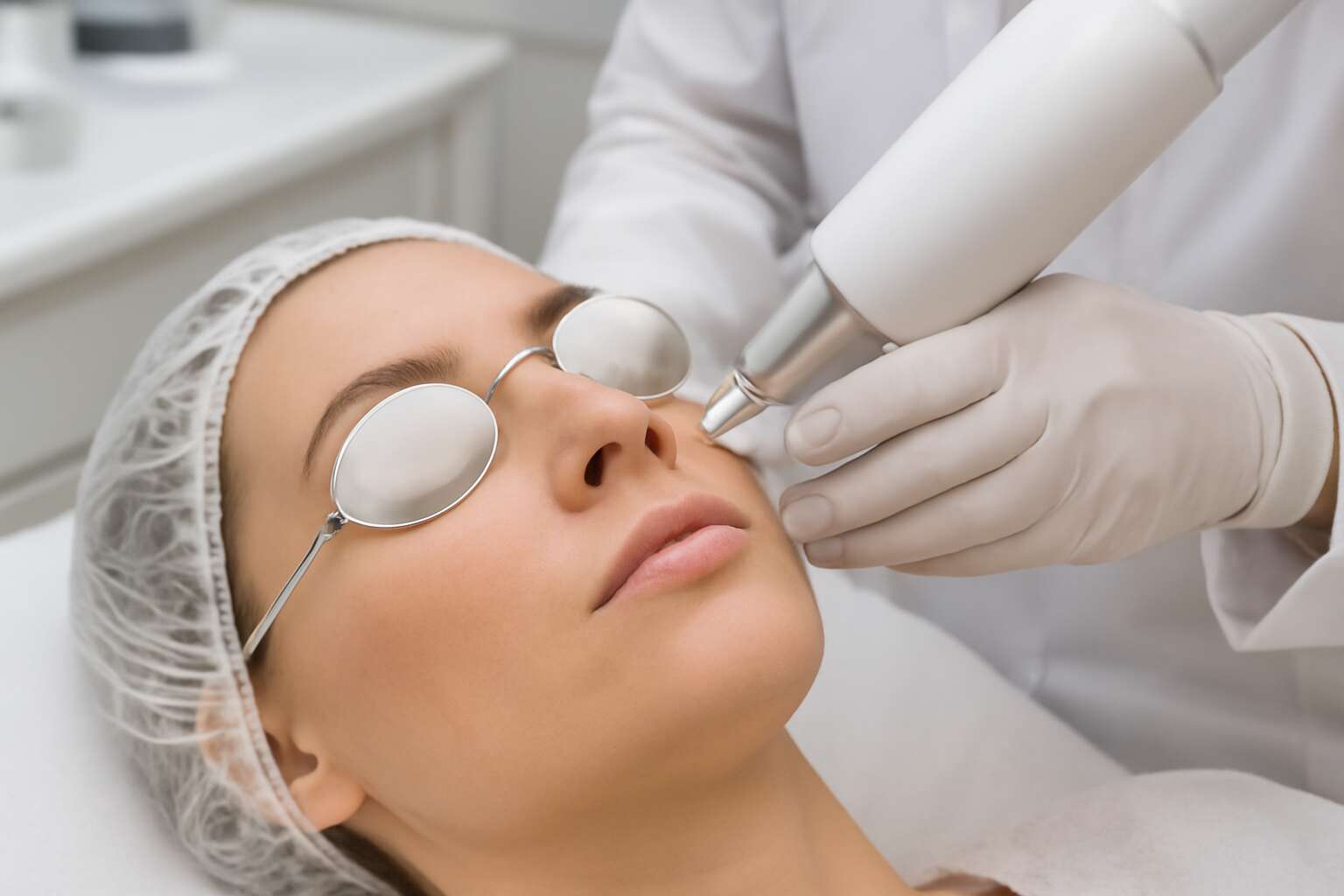
Understanding Laser Removal for Cosmetic Eyeliner
How laser technology targets pigmented eyeliner
Across South Africa, mornings begin with a gaze in the mirror and memories of a line that once felt bold. A client in wind-swept Cape Town whispered, “Sometimes a line is loud; I want it to speak softly.” Understanding Laser Removal for Cosmetic Eyeliner offers a gentler path, where focused light targets pigment with care.
The process targets pigment, not skin, and sessions are spaced to respect healing. For those seeking permanent eyeliner laser removal, results unfold gradually as ink lightens with time.
- Focused laser energy targets pigment while protecting skin
- Multiple sessions may be needed for gradual fading
In both rural towns and city clinics, this approach offers clarity and control, a measured path toward a softer, more natural line.
Types of lasers used for cosmetic tattoo removal
Across South Africa, 68% of clients seeking cosmetic ink fade opt for gentler fading rather than a full erase, a statistic carved into clinic chairs and whispered in waiting rooms. The eye is a cathedral; the line, a memory—laser removal offering a softer, nocturnal dawn.
- Nd:YAG laser at 1064 nm
- Nd:YAG laser at 532 nm
- Alexandrite laser at 755 nm
- Picosecond lasers for finer ink breakup
Sessions are spaced to respect healing and pigment depth, with results emerging gradually as ink fragments fade. For those considering permanent eyeliner laser removal, a measured plan often unfolds across several sessions as ink recedes.
From Cape Town to rural clinics, practitioners tailor approaches to skin tones and pigment density, guiding the journey toward a softer, more natural line.
Expected results and treatment timeline
Across South Africa, 68% of clients seeking cosmetic ink fade opt for a softer fade rather than a full erase, a statistic whispered in clinic chairs and waiting rooms. Understanding permanent eyeliner laser removal means embracing a patient, gradual journey—one where the eye keeps its character while the pigment sighs back toward the natural lash line.
Results unfold slowly. With permanent eyeliner laser removal, a multi‑session plan—often spaced 6 to 12 weeks apart—helps ink recede while the skin heals. After each session, pigment fragments fade over weeks, and meaningful change is typically evident after two or three rounds, depending on depth and pigment colour.
- Gradual lightening between sessions
- Healing windows influence final tone
- Skin tone and pigment depth steer how natural the result appears
From Cape Town to rural clinics, a tailored plan guides the journey toward a softer, more natural line—without rushing the clock.
Who is a good candidate for laser removal
In South Africa, 68% of clients seeking cosmetic ink prefer a softer fade over a full erase, a trend that shapes who is a good candidate. A good candidate understands that permanent eyeliner laser removal is a patient journey, not a fast fix. It’s ideal for those hoping to soften a defined line, restore a natural lash emphasis, and embrace a measured healing pace as the pigment recedes.
Ideal candidates include:
- Stable skin in the eye area with no active infections
- Pigment that is not deeply entrenched or skein-like from older tattoos
- Realistic expectations about gradual lightening over several sessions
- Healthy healing potential and overall good skin tone to support even fading
Beyond these basics, a clinician weighs eye shape, pigment hue, and how the skin responds to light energy to determine suitability. The right candidate understands that the journey blends restraint, artistry, and patience—the eye retains its character while pigment sighs back toward the natural lash line.
Safety, Risks, and Contraindications
Potential side effects and how to minimize them
Ink meets its match in the laser age. For permanent eyeliner laser removal, safety isn’t optional—it’s performance art. A SA clinician jokes, if you can blink, you can blink back after a treatment.
Most people handle it well, but you may see temporary redness, swelling, or pigment shifts. Rarely, blistering or color changes occur. Infection is unlikely with professional hygiene and sterile equipment.
Contraindications to weigh:
- Pregnancy or nursing
- Active eyelid infections or skin conditions
- Photosensitivity or certain medications
- History of scarring or keloids
To minimize risk, rely on a licensed clinician and thorough consultation. That professional approach keeps permanent eyeliner laser removal within a sensible, safer range.
Patch testing and initial consultations
Safety is the premise, not the afterthought, in permanent eyeliner laser removal. A licensed clinician in South Africa should lead the process, starting with patch testing and a proper initial consultation. In strong clinics, 9 out of 10 clients report smooth recoveries when checks are thorough.
Risks are usually mild: temporary redness and swelling, with possible pigment shifts. Rarely, blisters or color changes occur. Infection remains unlikely when hygiene and sterile technique are maintained.
Patch testing and the initial consultation cover these essentials:
- Medical history review and current medications
- Allergy screening, skin type, and photosensitivity assessment
- Discussion of eyelid health, expectations, and laser settings
Contraindications are weighed during this consult: pregnancy or nursing, active eyelid infections or skin conditions, photosensitivity or certain medications, and a history of scarring or keloids.
Medical conditions that impact treatment and healing
Safety is the baseline, not an afterthought, in permanent eyeliner laser removal. A licensed clinician in South Africa leads the process, starting with a medical history review and a careful eyelid exam. When this is done right, recovery stays smoother for most.
Medical conditions that impact this treatment include the following:
- Diabetes or circulatory issues that slow healing
- Autoimmune conditions (e.g., lupus, rheumatoid arthritis)
- Active eyelid infections or chronic skin conditions
- Medications or therapies that affect healing (immunosuppressants, isotretinoin)
- History of scarring or keloids
In such cases, the clinician weighs contraindications and considers how healing may be affected. This careful approach is part of the ethos behind permanent eyeliner laser removal.
Allergy awareness and skin type considerations
“Safety is the quiet compass that guides every needle.” In South Africa, permanent eyeliner laser removal is performed by a licensed clinician who begins with a medical history and eyelid exam—because safety is baseline, not an afterthought, and a calm, informed approach shapes every outcome.
Risks exist, though small when standards hold. Unusual pigment response, eyelid tenderness, or rare scarring may surface if contraindications escape notice.
Allergy awareness and skin type considerations for permanent eyeliner laser removal are central to respectful care. The clinic explores pigment allergies and sensitivities, conducts patch testing, and tailors consent discussions. Skin type variations influence energy use and pigment behavior.
- Check for pigment allergies and sensitivities before treatment
- Patch testing and informed consent to gauge reactivity
- Consider skin type (Fitzpatrick) to guide energy use and expected pigment behavior
Procedural Guide and Aftercare
What to expect during a session: steps and sensations
In the shimmering space of a cosmetic clinic, every pulse is a note in a careful symphony. For permanent eyeliner laser removal, sessions are explained upfront, and you’ll feel a blend of clinical calm and focused energy as the pigment is addressed layer by layer.
- Preparation and marking with sterile tools, ensuring symmetry.
- Topical numbing applied to minimise discomfort.
- Laser passes delivered in short, measured bursts while you breathe steadily.
- Cooling or soothing wipe between passes to maintain comfort and assess progress.
Post-session, the eye area may appear pink and mildly tender, with pigment darkening as it heals over days to weeks. In SA clinics, clinicians emphasise sun protection and avoiding aggressive rubbing, while you await the gentle fading of the treated pigment and the refinement of the final result.
Pain management options during treatment
Within a cosmetic suite, the procedural guide for permanent eyeliner laser removal reads like a careful score—symmetry checked, sterile tools on standby, a clinician guiding you through the tempo. For permanent eyeliner laser removal, comfort is built into the workflow, and pain management is part of the plan. Options include topical anesthetic creams applied by the clinician, cooling devices to ease heat, measured laser energy in micro-bursts, and breathing or posture to stay relaxed.
- Topical anesthetic creams applied by the clinician
- Cooling devices to ease heat
- Measured laser energy in micro-bursts
- Breathing and posture to stay relaxed
Aftercare remains the next act, with healing unfolding at its own pace. In SA clinics, clinicians review progress, answer questions, and plan refinements to ensure the final result looks balanced.
Post-treatment skincare routine and sun protection
Under SA’s blazing sun, permanent eyeliner laser removal is more than a procedure—it’s a choreography. The procedural guide treats healing as part of the craft: pigment settling, skin calming, and a plan that honors symmetry and safety.
The post-treatment skincare routine centers on gentle cleansing, barrier-supporting moisturisers, and fragrance-free formulas, minimizing irritation while the skin restores itself. Sun protection becomes non-negotiable, with broad-spectrum SPF and protective clothing to guard against the intense SA sun.
Over the days and weeks that follow, clinicians monitor progress and adjust expectations, guiding toward a balanced final result that looks natural in diverse lighting and skin tones.
Managing swelling, crusting, and recovery timeline
Across South Africa, seven in ten clients notice pigment softening within the first week of permanent eyeliner laser removal. This isn’t instant erasure; it’s a choreography—pigment recedes while the lid skin finds balance, and symmetry becomes the loudest guide in varied light.
In the Procedural Guide, precision rules. The clinician calibrates the laser to target pigment while shielding surrounding skin, tracking response as the treatment area calms. A measured approach promotes a natural fade that holds its form under sun and shadow.
Aftercare becomes a patient’s study in time. Managing swelling, crusting, and the recovery timeline unfolds with the body’s own rhythm. Phase by phase, the pigment settles into a harmonised tone.
- Early swelling phase: Days 1–3, peak around 24–48 hours
- Crusting phase: Days 4–7, mild flaking and shedding
- Late recovery: Weeks 2–6, pigment stabilises and final balance emerges
Follow-up treatment planning and expectations
The Procedural Guide reads like a map through light and shadow. For permanent eyeliner laser removal, the clinician calibrates the pulse to target pigment while shielding the delicate lid skin, watching responses as calm returns. Precision choreographs a natural fade that remains steady under bright sun and soft lamplight.
- Symmetry and pigment balance assessment
- Downtime and tissue response monitoring
- Setting expectations for future sessions and timelines
Follow-up planning frames expectations in the patient journey—clinicians track symmetry, pigment settling, and any need for refinement. In South Africa’s sun, pigment stability becomes a quiet ally, and scheduled reviews ensure the result remains harmonious as seasons shift.
Choosing a Clinic and Cost Considerations
How to evaluate a laser removal provider
Choosing a clinic for permanent eyeliner laser removal isn’t just about price. It’s about safety, proven results, and honest timelines. Look for clinics with clear credentials, experienced technicians, and transparent treatment plans. In South Africa, reputable providers publish laser safety standards and quantify expected sessions, so you know what to expect!
Key considerations when evaluating a laser removal provider include:
- Practitioner qualifications and licensing
- Laser equipment type and maintenance records
- Visible cleanliness and a professional procedure environment
- Transparent pricing, including what’s included and any aftercare costs
- Clear consultation process and informed consent
Cost considerations: beware of hidden charges; some clinics offer package deals that reduce per-session costs but lock you in. Compare total projected spend, not just the upfront quote, and ask about refunds if results don’t meet expectations. For permanent eyeliner laser removal, align your choice with both budget and trust in the practice.
Pricing structure and what affects cost
Choosing a clinic for permanent eyeliner laser removal isn’t just about price—it’s a safety decision that shadows your confidence. In South Africa, reputable clinics publish laser safety standards and quantify expected sessions, so you know what to expect from the start. For permanent eyeliner laser removal, the right clinic offers clear timelines and demonstrable results you can trust.
Cost considerations go beyond the initial quote. Look at the pricing structure (per-session versus packages), what’s included, and any aftercare charges. Beware of hidden fees and deals that lock you in; compare total projected spend rather than the headline number.
- What’s included per session
- Aftercare costs
- Refund or adjustment policies
The right match balances budget with confidence in the clinic.
Questions to ask during your consultation
Choosing a clinic for permanent eyeliner laser removal isn’t just about price—it’s a vow to safety and results you can trust. In South Africa, reputable clinics publish safety standards and clear timelines, turning mystery into confidence.
When you sit down for a consult, use questions that reveal transparency and skill. Here are essentials:
- Which laser system do you use for permanent eyeliner laser removal, and why?
- How many sessions are typically needed, and what factors affect timing?
- What’s included in the quoted price, and are aftercare or facility fees added?
- What is your refund or adjustment policy if results aren’t met?
- Can you share before-and-after photos and references from similar clients?
Also ask about safety credentials, patch testing, and how results are tracked; insist on openness about hidden fees and packages versus per-session pricing.
Financing options, guarantees, and refunds
Choosing a clinic for permanent eyeliner laser removal isn’t just about price. In South Africa, reputable clinics publish safety standards, timelines, and clear aftercare, turning uncertainty into confidence. Consider who performs the treatment, what safety measures exist, and how progress is tracked across sessions.
Financing options often make permanent eyeliner laser removal accessible without a big upfront cost. Consider these avenues:
- In-house payment plans tied to treatment bundles
- Medical credit through banks or specialist lenders
- Package pricing versus per-session fees with transparent schedules
- Third‑party credit options with fixed rates
Look for guarantees and refunds: is there a satisfaction guarantee or an adjustment policy if results don’t meet expectations? Confirm what post‑treatment support is included and how hidden fees are handled.
Scheduling tips and accessibility considerations
Choosing a clinic for permanent eyeliner laser removal isn’t a gamble. Prioritize certified technicians, up-to-date equipment, and clear safety standards with timelines and aftercare. In South Africa, reputable clinics publish these details, turning uncertainty into confidence.
Cost considerations should center on value, not just the price tag. Look for upfront quotes, what’s included, and the overall pathway—quietly priced packages, transparency, and predictable scheduling help you plan around life.
Scheduling tips: choose daylight hours, book in advance to secure preferred slots, and allow healing gaps between sessions! Check accessibility: ground-floor rooms, ramps, and parking or easy public transport access.
Accessibility considerations: clinics with inclusive facilities make ongoing care feasible for everyone, including mobility or sensory needs.

0 Comments