Understanding permanent eyeliner and removal considerations
Understanding the basics of permanent eyeliner and removal considerations
Cosmetic tattooing has made life simpler, but permanent eyeliner brings questions about reversibility. Understanding how pigment sits in the skin helps explain why removal can vary in difficulty. The question ‘can permanent eyeliner be removed’ sits at the heart of many client discussions, reflecting hopes for flexibility without sacrificing style!
Removal considerations hinge on pigment depth, skin type, and the original technique used. The following factors often influence whether fading or erasing is feasible:
- Pigment composition and brand—some hues fade more readily than others.
- Depth and layering—older, deeper inks are generally harder to shift.
- Healing response and sun exposure—skin recovery and UV light can affect results.
In South Africa, choosing a licensed clinic matters; regulatory oversight aims to protect clients from unsafe procedures. Outcomes are variable and depend on colour, skin type, and time since application; no single timetable fits all, and expectations should remain pragmatic.
Safety and skin types and consultation guidelines
Beauty’s compass points toward reversibility; in South Africa, clients crave the freedom to rethink cosmetic ink. Many clients wonder can permanent eyeliner be removed, and the answer unfolds as a conversation between pigment, skin, and technique, not a decree carved in stone.
Safety and skin types sit at the table first. Healing responses vary; sun exposure and skin texture shape outcomes. Those with oily or sensitive skin, dry patches, or historic scarring experience different journeys when removal is considered.
Consultation guidelines foster clarity. A practitioner will map medical history, medications, and previous cosmetic work, while outlining licensing standards in SA and the pigment variables at play.
- Discuss medical history and allergies
- Clarify pigment depth, ink brand, and skin type
- Confirm practitioner licensure and clinic standards in SA
In the intimate theatre of the eyelid, dialogue becomes the first pigment you should trust.
Removal methods overview including laser and non-laser options
South African clinics report a notable 40% uptick in inquiries about reversing cosmetic ink. People arrive with bold lines and stories of shade, and the question sits on their lips: can permanent eyeliner be removed? The answer unfolds as a patient conversation between pigment, skin, and technique—no decree, just negotiation shaped by time and care.
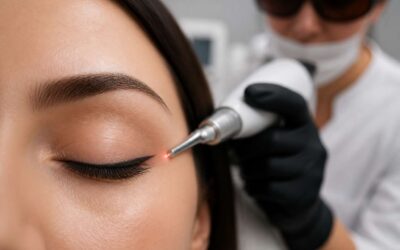
- Laser-based removals: targeted pigment disruption with wavelengths suited to eyelid skin; multiple sessions, sun safety, and careful healing.
- Non-laser approaches: saline-based tattoo removal, gentle dermabrasion, or carefully applied chemical methods performed by specialists; each carries sensitivity considerations around the eye area.
Understanding these paths helps clients weigh risk and restoration, aligning choice with medical history, skin type, and the clinic’s safeguarding standards in SA.
Post-care after removal and expected results
South Africa’s clinics report a 40% uptick in inquiries about reversing cosmetic ink, a trend that makes pigment negotiation a local pastime. can permanent eyeliner be removed? The answer isn’t a one-size miracle, but a dialogue among pigment, skin, and technique—paced by healing and tempered expectations.
Post-care after removal and expected results hinge on careful aftercare and realistic goals. The eyelid skin is delicate; expect redness or minimal swelling for 24-48 hours; pigment may appear mottled at first and settle with subsequent sessions; healing timelines vary by skin type and pigment depth.
- Following the clinician’s aftercare guidance can influence pigment behavior.
- Sun exposure is a factor; protection helps the healing arc.
- Upcoming sessions and assessments shape the final outcome.



0 Comments