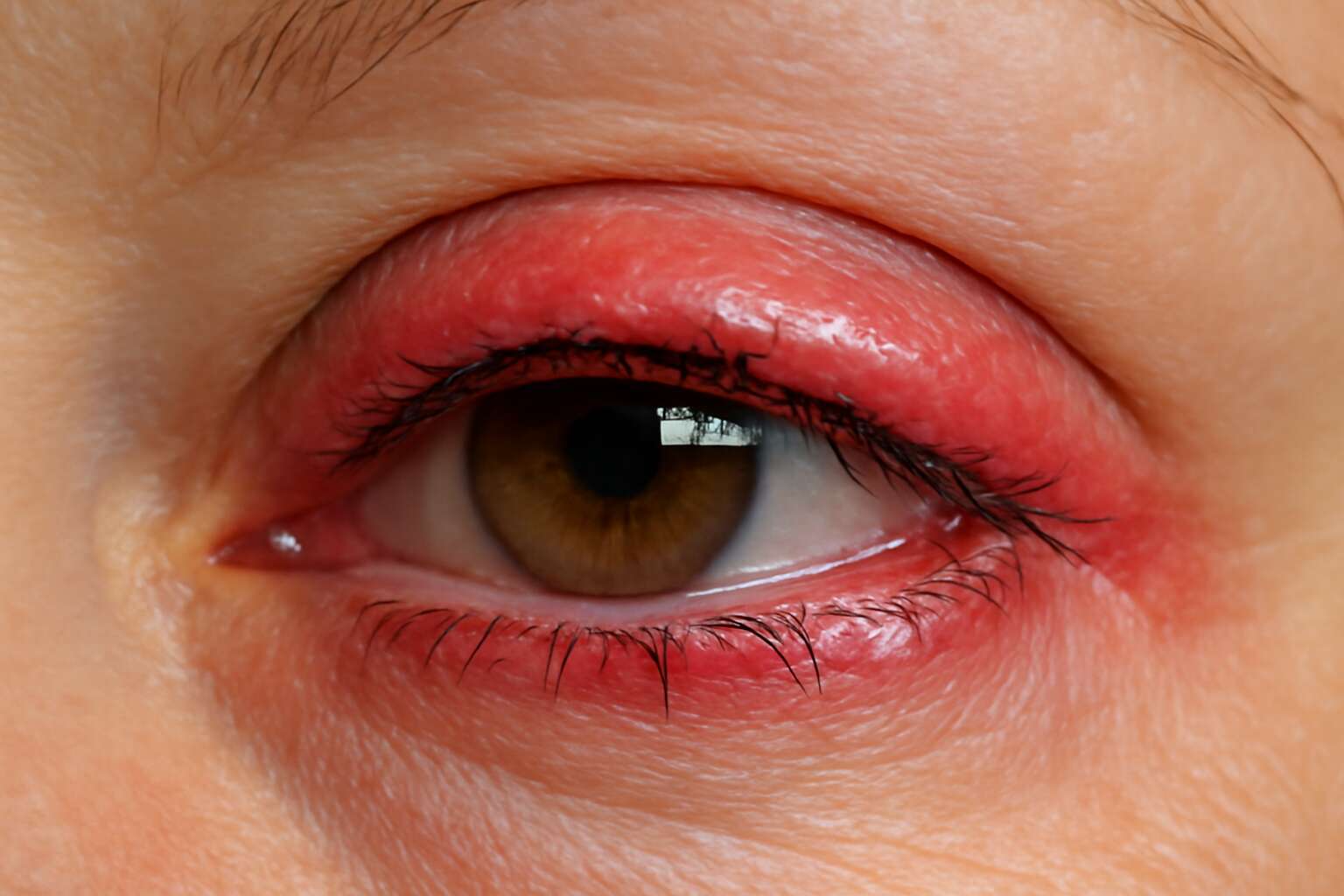
Recognizing early signs after a permanent eyeliner procedure
Common early symptoms to monitor in the first 72 hours
Post-procedure realities kick in fast: within 72 hours, swelling and redness are common, yet a handful of signals deserve attention. Up to a quarter of clients report itching or tenderness that goes beyond normal healing. The phrase permanent eyeliner infection symptoms sits at the edge of ordinary recovery, especially in SA clinics where aftercare varies. Redness around the lash line, a warm sensation, and slight crusting are typical, but rapid changes can hint at trouble!
- Intense redness that spreads beyond the immediate area
- Persistent swelling or a new lump at the lash line
- Discharge or crusting that is yellow or green
- Severe itching, burning, or sharp pain
Discharge that shifts in color, persistent warmth, or escalating tenderness are signals to watch. Tracking permanent eyeliner infection symptoms is part of responsible aftercare and can help readers gauge healing without overreading every sensation.
Red flags that suggest possible infection
Recognizing early signs after a permanent eyeliner procedure is a study in quiet drama: most days roll by as routine healing, yet the plot can tilt. The concern arises when signals align with permanent eyeliner infection symptoms—suggesting something more than the usual flutter of aftercare, and yet not every flare is cause for alarm.
- Feverish warmth spreading beyond the lash line
- A new lump or abnormal swelling along the lash line
- Discharge that is foul-smelling or unusual in color
- New or worsening eye pain or light sensitivity
In South Africa, aftercare varies by clinic, season, and the cup of tea you’re willing to spill about your routine. Staying attuned to these red flags helps maintain the poise of your look without letting healing drift into chaos.
How swelling, discharge, and pain differ from normal healing
Across clinics, roughly 1 in 5 clients notice swelling that looks unusual in the first 72 hours after a permanent eyeliner procedure. Healing unfolds like a quiet vigil, where routine tenderness masks the real caution signs. In those early days, mild swelling and tenderness are common companions as pigment settles into the delicate skin.
What separates ordinary healing from something more shadowed? When the lash-line swells beyond its original border, or warmth lingers and deepens, or discharge thickens and shifts color, permanent eyeliner infection symptoms begin to write a darker script. Pain or light sensitivity that persists beyond the initial week also whispers of trouble, not merely irritation.
- Swelling that increases after the first few days or spreads beyond the lashline
- Discharge that thickens, alters color, or resists crusting into a clean edge
- Pain or light sensitivity that lingers beyond the expected healing window
These cues help the aesthetic maintain its poise, even as the night settles around the eyes.
When to contact your clinician for post-procedure concerns
After a permanent eyeliner procedure, something off shows up in roughly one in five cases within the first 72 hours. Signs can be subtle, and the real warning signals often arrive quietly. Across SA clinics, this quiet early signal can be missed. Watch for shifts that go beyond ordinary healing: new warmth along the lash line, persistent tenderness, or discharge that evolves in texture or color. Be aware that permanent eyeliner infection symptoms don’t always shout danger; they creep into daily life and can progress if ignored.
- Redness that spreads beyond the lash line
- Discharge that thickens, changes color, or resists crusting into a clean edge
- Pain or light sensitivity that lingers beyond the initial week
If you notice any of these cues or symptoms worsen, contact your clinician promptly for guidance appropriate to your case.
Allergic reactions vs infection: telltale differences
Identifying allergy-related symptoms versus infection signs
“The eye never lies,” a seasoned aesthetic clinician quips, and the same truth applies after cosmetic tattooing. Understanding permanent eyeliner infection symptoms helps distinguish allergy-related itch from infection signs, turning a tangled post-procedure moment into clarity. In South Africa’s clinics, reactions wear the outward mask of glamour but reveal their character in the way they unfold.
- Allergic reactions typically deliver itchiness, eyelid swelling, and mild redness around the lash line; they usually lack pus and appear soon after exposure.
- Infections present with persistent redness that spreads, warmth to touch, tenderness, discharge or crusting, and sometimes fever or swollen lymph nodes.
- Timing matters: allergies often emerge quickly; infections tend to progress over days and may drift beyond the immediate lid.
This distinction isn’t merely cosmetic; it shapes how patients read their healing script and describe symptoms with newfound clarity.
Itching, redness, and swelling: which are normal?
“The eye never lies,” a seasoned clinician once quips, and after cosmetic tattooing the same truth glows in your healing. Itching, redness, and swelling drift across the lids like sparkles in a dusk sky, signaling how your body responds to pigment and precision.
When parsing permanent eyeliner infection symptoms, the telltale differences tilt toward timing and texture. Itching with mild redness can be part of allergic reaction; what changes the script is persistence, warmth to touch, and new discharge.
- Itching with light swelling and no discharge — often allergy-related.
- Persistent redness that spreads, warmth, crusting — possible infection.
- Fever or tender lymph nodes — red flags.
In South Africa’s clinics, even glamour wears a cautious halo; understanding these telltales helps you read the healing script with wonder rather than worry.
Timeline and progression: when allergy is suspected
Across the softly lit treatment rooms, permanent eyeliner infection symptoms can masquerade as an allergic whisper. The eyelid keeps its own counsel, and time becomes the judge: itching and mild swelling may precede something darker, yet persistence, warmth to touch, and new discharge tilt the balance toward trouble.
Timeline and progression offer clues when allergy is suspected:
- Allergic reactions typically appear within 24–72 hours with itching, mild swelling, and often clear or watery discharge.
- Infections tend to deepen after several days, bringing warmth to the lid, crusting, and sometimes fever or tender lymph nodes.
- Allergies may ease with antihistamines or avoidance; infections signal the need for clinical assessment and possible antibiotic treatment.
In South Africa’s clinics, practitioners read the healing arc with cautious wonder, guiding patients through a nocturne of pigment toward safer, lasting results.
Symptoms by area: eyelid vs lash line infection indicators
Redness spreading beyond the treated area
From the first blink to days beyond, where symptoms land matters. A South African client survey found 18% notice redness that spreads beyond the treated area in the first week. Recognizing permanent eyeliner infection symptoms by area helps you read the map of trouble: eyelid inflammation can feel warm, swollen, and gritty, while lash-line irritation often shows as crusting along the lashes and a touch of discharge.
Here are quick indicators by area:
- Eyelid area: persistent swelling, warmth, tenderness, or a gritty sensation.
- Lash line: crusting, discharge, or localized tenderness along the lashes.
Noticing where these signs appear clarifies the healing story and helps readers in South Africa distinguish normal variation from something that warrants attention.
Pus or unusual discharge characteristics
Healing is a map; where symptoms land matters. In South Africa, a client survey found 18% notice redness that spreads beyond the treated area in the first week, a reminder that location can tell a different healing story. Recognising permanent eyeliner infection symptoms by area helps you read the map of trouble.
Eyelid area indicators: persistent swelling, warmth, tenderness, or a gritty sensation. In this zone, pus or unusual discharge can betray that something beyond normal healing is at play, shifting texture and tone with every blink.
Lash line indicators: crusting along the lashes, discharge, or localized tenderness along the lash line. The discharge may be more stringy or colored than typical healing, following the line where lashes meet the skin. These patterns map the territory of permanent eyeliner infection symptoms across zones.
- Eyelid area: persistent swelling, warmth, tenderness, gritty sensation
- Lash line: crusting along lashes, discharge at lash margin
Pain intensity and new tenderness
Symptoms by area can feel like a weather map for the healing journey. Permanent eyeliner infection symptoms exist in zones; eyelid and lash line each tell a story through pain and tenderness in SA clinics!
On the eyelid, expect persistent swelling, warmth, and a subtly painful ache that grows with each blink. A fresh touch of tenderness—especially near the lid margin or inner corner—can signal more than normal healing. The sensation may feel gritty as the area shifts texture with movement.
Along the lash line, discomfort concentrates at the margin, sometimes a sharp pinch when the lashes move or a dull ache with gentle touch. The skin here may feel tender and more reactive to heat or pressure, a sign that this zone is not yet back to normal healing. Reading these shifts by area helps map where trouble sits on the face—quickly guiding a clinician if concerns deepen.
Crusting or scabbing that worsens over time
Crusting or scabbing that worsens over time can be a telling weather-vane in the healing journey of permanent eyeliner infection symptoms. The eyelid and lash line each keep their own rhythms, and reading these shifts can illuminate trouble before it deepens.
- On the eyelid: crusting near the lid margin, persistent warmth, and a gritty feel that intensifies with blinking.
- Along the lash line: crusts at the lash edge, sharper tenderness when lashes move, and a more reactive skin texture.
In the lash line, the margins are sensitive; combining crusting and tenderness can hint at a slower recovery or irritation that requires closer attention to healing progress.
These patterns form a weather map for readers in SA clinics, guiding clinicians as they interpret signs along the eyelid or lash line and watch how crusting evolves.
Fever or systemic symptoms: what to know
When you map symptoms by area, the eyelid and lash line tell different stories. For the eyelid, look for crusting near the lid margin, persistent warmth, and a gritty feel that nags with each blink. The skin may look a little puffy and tender, and the whole area might react more than usual to touch. In SA clinics, clinicians watch these patterns closely.
Along the lash line, crusts at the lash edge, sharper tenderness as lashes move, and a more reactive skin texture can signal trouble. The margins here are sensitive, and changes with blinking can unveil a slower recovery pattern.
Fever or systemic symptoms: what to know. If you notice fever, fatigue, or swollen glands along the neck, these permanent eyeliner infection symptoms may indicate the infection is spreading beyond the treated area.
- Fever, night sweats, chills
- Fatigue or malaise
- Swollen glands near the jaw or neck
Preventing infection and when to seek urgent care
Post-procedure care best practices to minimize risk
In the world of permanent makeup in South Africa, a tiny slip after the procedure can spiral into trouble. Permanent eyeliner infection symptoms don’t announce themselves with fireworks; they creep in as redness, heat, or a stubborn crust that won’t quit.
To minimize risk, follow these simple practices in the first days after the procedure:
- Keep the area clean with a gentle, fragrance-free cleanser; pat dry.
- Apply prescribed ointment exactly as directed; avoid over-application.
- Pause eye makeup and refrain from touching the treated area.
- Avoid swimming, saunas, and heavy sweating for at least a week.
If fever, spreading redness beyond the treated area, increasing pain, or unusual discharge occur, seek urgent care promptly. For anyone unsure, call your clinician within 24 to 48 hours after the procedure.
Hygiene and product choices that help protect healing
permanent eyeliner infection symptoms can surface days after a procedure, catching many off guard. They don’t announce themselves with fireworks; redness and heat creep in quietly.
Preventing infection relies on simple hygiene choices and products that support healing. Choose gentle, non-irritating cleansers and avoid irritants near the treated area; select items recommended by your clinician.
Seek urgent care promptly if signs worsen—spreading redness, fever, or unusual discharge. When in doubt, contact your clinician within 24 to 48 hours after the procedure.
Urgent care red flags: signs you should seek immediate help
Across South Africa, about 12% of clients report irritation within the first week after permanent eyeliner procedures. I’ve watched healing drift from smooth to unsettled, like a morning cloud over the Cape coast, and that quiet change is a reminder to listen to your body. permanent eyeliner infection symptoms can surface days later, quietly, without fireworks.
Urgent care red flags include:
- Redness spreading beyond the treated area
- Pus or unusual discharge
- Feverish warmth or new, sharp pain
Preventing infection relies on hygiene choices and products that support healing, with gentle cleansers and clinician-approved items; when concerns arise, clinicians emphasise timely consultation during the healing window.

0 Comments