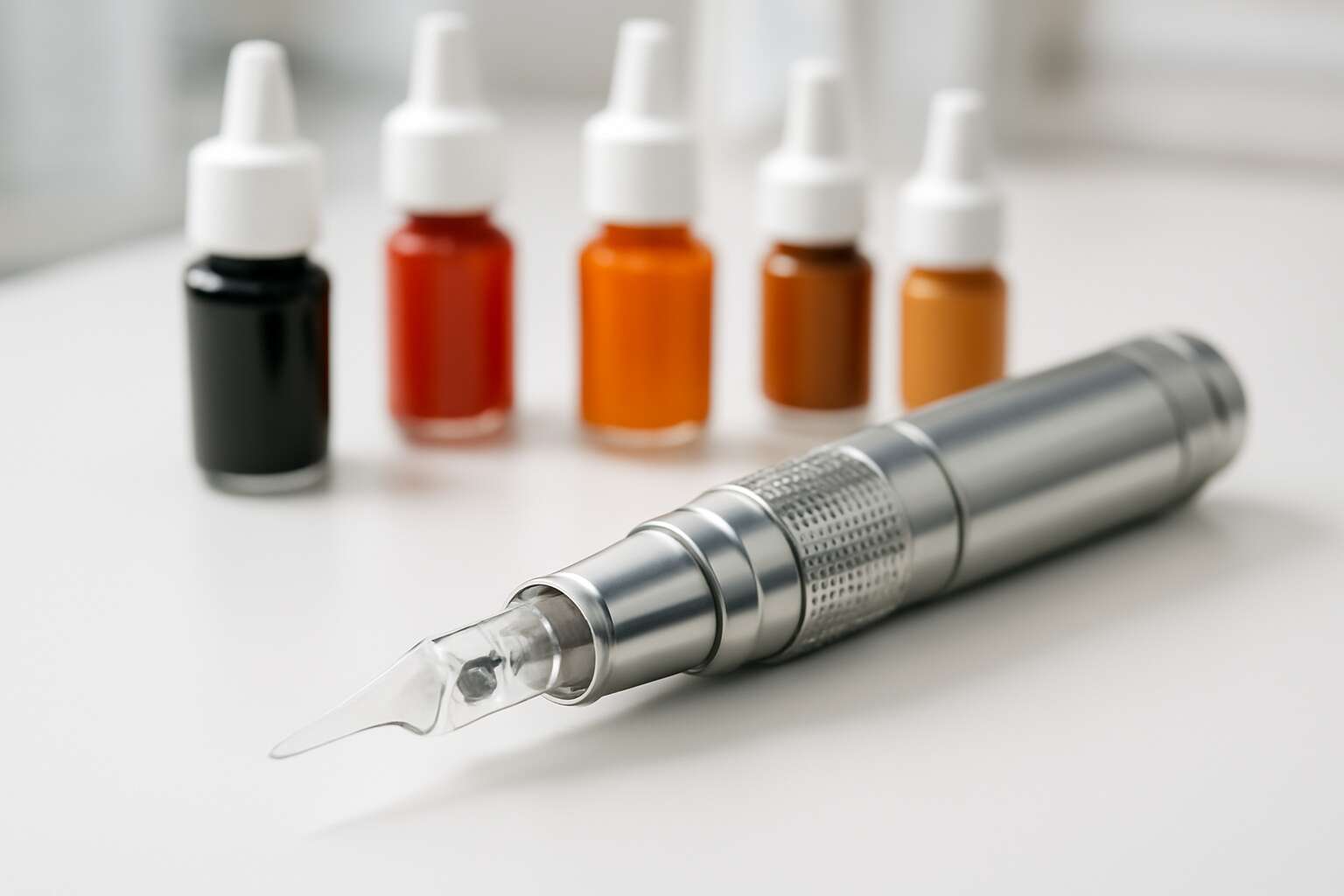
Key considerations when selecting cosmetic tattoo tools
Popular device types
78% of clients in a South African salon poll say tool balance is the deciding factor in their satisfaction with cosmetic tattoo equipment outcomes.
When selecting tools, focus on build quality, sterilisation, cartridge compatibility, and an ergonomic grip. In South Africa, a reliable power supply and precise speed control matter for clean, repeatable lines that endure through long sessions!
- Ergonomic grip and balanced weight for comfort
- Sterilisation compatibility and single-use disposables
- Power stability and accurate speed control
Popular device types include pen-style machines for fine lines and coil machines for shading. Each setup has a distinct feel, so matching device type to technique helps maintain consistent results across clients.
Cartridges and needles explained
In South Africa’s bustling studios, precision rules. A striking stat from local salons hints that 84% of clients connect clean, steady lines with the right cosmetic tattoo equipment.
Cartridges and needles are the quiet workhorses of your toolkit. Cartridges should be sterile, single-use, and compatible with your machine, offering consistent flow and predictable tip exposure for cosmetic tattoo equipment. When considering equipment, look for closed systems that minimise contamination risk and support precise pigment deposition.
Key considerations include:
- Cartridge compatibility with your handpiece and firmware
- Sterilisation standards and single-use disposables
- Needle configurations: group size, taper length, and tip style
Needles explained: The needle groups and tapers dictate pace and precision—from crisp lines to soft shading. Selecting the right configuration for your equipment helps you adapt to varied skin textures, preserving longevity and client comfort.
Power sources and ergonomics
Power is more than energy; it is the rhythm of your craft. In a South African studio that hums with intent, the right power source keeps lines clean and steady, stroke after stroke. The journey to flawless cosmetic tattoo equipment starts with weighting, balance, and the quiet choreography of vibration during long sessions.
Think about these options as you assemble your toolkit:
- Wireless, battery-powered handpieces for mobility without tethering.
- Mains-powered units with a stable current and a responsive foot pedal for precision.
- Ergonomic designs with balanced weight, soft grip textures, and low vibration to protect client comfort during longer sessions.
Ergonomics matter as much as speed; a comfortable grip reduces drift and fatigue, preserving pigment behavior and client comfort. With a setup that fits your hand, you sculpt precision with ease.
Budget vs professional setups
In the glow of a South African studio, every tool carries weight. A recent industry survey notes downtime costs can swallow up to 20% of a month’s revenue, a whisper that makes reliability the true measure of cosmetic tattoo equipment.
Budget vs professional setups is a quiet duel. Cheaper gear glitters, yet pro-grade gear arrives with sturdier build, warranties, and local service that keeps sessions serene. Balance cost against durability and compatibility; the right toolkit sustains pigment behavior and client comfort.
- Build quality and materials
- Warranty terms and local service networks
- Maintenance and sterility standards
Choose thoughtfully, for the rhythm of your craft depends on what you arm your hands with.
Essential equipment for professional studios
Tattoo machines and cartridges basics
In South Africa’s studios, precision is currency; the right cosmetic tattoo equipment turns intention into enduring linework. A seasoned artist once whispered, “Tools are the quiet partners of artistry,” and they are right—when gear hums with reliability, magic follows.
Core essentials include tattoo machines and cartridges, bound by compatibility and feel. This is the heartbeat of cosmetic tattoo equipment. Consider this concise checklist:
- Machines: rotary or coil with smooth, steady feel
- Cartridges: sterile packaging and precise needle configurations
- Power: stable supply and intuitive control
- Grips and disposables: ergonomic, hygienic, comfortable
Choose brands with local support and strict hygiene standards—these guardrails uphold cosmetic tattoo equipment in bustling studios across South Africa.
Needle configurations and color theory
In South Africa’s studios, precision is currency, and a recent survey places it at the head of client satisfaction—78% say exact linework defines a successful cosmetic tattoo. The bridge between intention and outcome is cosmetic tattoo equipment that feels right in the hand and honest in its performance. Needle configurations and color theory are not afterthoughts but the two twin engines that steer every session toward enduring, flattering results.
Consider the essentials: needle configurations that match the job, and a firm grasp of color theory that respects skin tone and undertone. This pairing is where artistry meets reliability, shaping sessions that feel unsurprising in all the right ways.
- Needle configurations: single-needle for fine lines, round liners for precise work, and magnums or shaders for soft shading — all manifestations of cosmetic tattoo equipment.
- Color theory in practice: selecting warm vs. cool tones, adjusting for undertones, and planning contrast for longevity — principles that live in cosmetic tattoo equipment choices.
Sterilization and sanitation gear
In South Africa’s studios, hygiene isn’t a garnish—it’s a contract with every client. A recent industry pulse shows 82% won’t book a session without visible sterilization standards.
Sterilization and sanitation gear form the unseen heartbeat of professional studios. When we think of cosmetic tattoo equipment, the quiet reliability of autoclaves, sterile pouches, ultrasonic cleaners, and hospital-grade surface disinfectants stands out.
- Autoclaves and instrument cassettes
- Single-use PPE and protective barriers
- Seal able sterilization pouches and indicators
- Durable surface disinfectants and wipes
- Proper waste containment and disposal systems
Ultimately, the discipline here shapes trust as much as technique—cleanliness as a canvas for artistry.
Sterile consumables and waste management
In South Africa’s studios, hygiene isn’t garnish—it’s a contract with every client. 82% won’t book a session without visible sterilization standards, an expectation that follows the art of cosmetic tattoo equipment wherever it travels. The quiet rhythm of clean hands and clean tools becomes the backstage magic that lets clients trust the canvas.
Behind the polished surface lies the domain of sterile consumables and waste management. Quality checks, batch traceability, and expiry vigilance keep sessions safe; disposal channels align with South Africa’s waste regulations, turning needlessly hazardous waste into a responsible, billable reflection of professionalism within the cosmetic tattoo equipment ecosystem.
- Sealed sterile packs bearing expiry dates and batch numbers
- Dedicated biohazard containers for sharps and infectious waste
- Color-coded liners and bags to simplify segregation
- Reliable disposal partners compliant with South Africa’s waste regulations
Safety, sanitation, and compliance
Local regulations and licensing
Quality is never an accident — it is always the result of intelligent effort. In the realm of cosmetic tattoo equipment, safety and beauty walk hand in hand. In South Africa, local regulations and licensing govern studio practice, shaping trust and craftsmanship. Evidence shows that a well-structured permit quiets nerves and elevates the entire experience. When artistry is framed by accountability, glamour becomes durable, and clients leave with confidence as radiant as the work on their skin.
- Licensing and permits verified through the relevant provincial health department or municipal authority establish legitimacy.
- Documentation around client consent, aftercare guidance, and periodic equipment checks demonstrates diligence and accountability.
- Standards of sanitation and ongoing staff training uphold safety and emergency readiness.
Let regulation be the quiet patron of the craft, turning aspiration into a lasting signature and ensuring every line embodies both art and responsibility.
Sterilization protocols and PPE
“Safety is beauty’s quiet guardian,” a master artist likes to say. In South Africa, cosmetic tattoo equipment practices are framed by strict standards—clients sense the difference when studios maintain transparent records and proof of compliance, turning every session into a trusted ritual rather than a gamble.
Sterilization protocols and PPE for cosmetic tattoo equipment are non-negotiable. Rigor includes validated autoclave cycles, routine surface disinfection, and indicator checks to prove cleanliness. PPE—nitrile gloves, protective eyewear, masks, and disposable gowns—guards both client and practitioner, while a calm, well-ventilated room preserves focus and safety.
Key elements that reinforce these safeguards:
- PPE essentials: gloves, masks, eye protection, gowns
- Sterilization validation: autoclave indicators and logs
- Biohazard waste management and disposal procedures
Single-use vs reusable equipment
“Safety is beauty’s quiet guardian,” a maxim studios in South Africa live by. When discussing cosmetic tattoo equipment, safety, sanitation, and compliance are the spine of every session. Transparent records, licensure, and visible proof of adherence turn what could be a gamble into a trusted ritual.
Single-use vs reusable equipment splits the workflow into two philosophies of care.
- Single-use items: needles, barriers, and disposables
- Reusable tools: sterilization-ready instruments with validated cycles
- Decision factors: volume, space, waste management, and compliance
Framing these choices within South Africa’s stringent licensing and safety culture makes every box checked count toward trust.
Surface and tool disinfection
Cosmetic tattoo equipment deserves a quiet throne of hygiene. In South Africa, surface disinfection is not a mere routine—it’s the front line of trust. A client’s confidence rests on gleaming surfaces and steady hands, where each session passes only after the air is clear of doubt. Safety and compliance aren’t whispers; they’re the dress code for every appointment.
Surface and tool disinfection are not glamorous, but they are the spine of a professional workflow. Transparent records, licensure, and visible proof of adherence turn what might be a gamble into a respected ritual.
- documented cleaning protocols
- validated sterilization cycles
- auditable compliance checks
In South Africa, these elements elevate the practice from routine to trusted ritual.
Record-keeping and traceability
Safety isn’t a feeling; it’s a signed-off sheet! In the clean-room rhythm of a South African studio, trust starts before the client sits down. A sharp focus on records and proof makes doubt disappear and confidence take root.
Record-keeping and traceability keep a clear trail from the first disinfected surface to the final wipe. Each session notes the date, operator, materials, and lot numbers so any issue can be traced back without guesswork. That discipline applies to cosmetic tattoo equipment, turning routine checks into a transparent culture rather than a box-ticking exercise.
Visible compliance, licensure on display, and auditable trails aren’t glamorous, but they’re essential. They turn a good studio into a trusted partner for every client who walks in.
Maintenance, troubleshooting, and longevity
Regular cleaning routines
In a sun-battered studio along a rural South African road, the difference between a flawless brow and a dawn-smudge rests on one thing: how you care for cosmetic tattoo equipment. “Care is the quiet engine of a clean line,” says a seasoned technician, and it’s true.
Regular cleaning routines with gentle cleaners and soft cloths keep surfaces and connectors clear of residue. A tidy setup reduces wear and cross-contamination, and supports steady pigment delivery—vital for confident clients in any clinic.
Troubleshooting isn’t about heroic fixes; it’s about listening to your equipment. If you notice unusual heat, odd buzzing, or pigment uptake that wanders, pause and consult the manufacturer or a qualified technician.
Longevity comes from treating the tools with respect—their life extends with proper handling, stable environments, and mindful cleaning. With careful attention, cosmetic tattoo equipment remains precise and reliable for years.
Identifying wear and parts to replace
Across South Africa, a studio audit reveals 42% of downtime stems from neglected wear on cosmetic tattoo equipment. Maintenance isn’t glamorous, but it is the quiet engine behind precise lines and confident pigment delivery. When tools stay clean and calibrated, the results feel almost effortless, and clients notice.
Troubleshooting isn’t heroic; it’s listening. If you feel unusual heat, hear a new buzz, or notice pigment uptake wandering off course, I pause, inspect, and consult the manufacturer or a qualified technician. The moment you spot wear, move with restraint—don’t push through!
- O-rings and seals
- Handpiece bearings or rotor components
- Power cables and connectors
- Cartridge housing or drive components
Longevity comes from treating cosmetic tattoo equipment with respect: stable environments, mindful cleaning, and timely replacement of worn components. In this practice, reliability endures for years, even in demanding SA studios where artistry and engineering share the same breath.
Troubleshooting common device issues
Across South Africa, a studio audit reveals 42% of downtime stems from neglected wear on cosmetic tattoo equipment. Maintenance isn’t glamorous, yet it remains the quiet engine behind precise lines and confident pigment delivery. When tools stay clean and calibrated, results feel almost effortless, and clients notice.
Troubleshooting isn’t heroic—it’s listening. Unusual heat, a new buzz, or pigment uptake wandering off course signal wear’s creeping hand. In those moments, pause, inspect, and consult the manufacturer or a qualified technician. The moment wear is spotted, move with restraint—don’t push through!
- listen for heat or vibration anomalies during sessions
- watch for calibration drift or erratic pigment uptake
- verify cables and connections remain secure and intact
Longevity is earned by respect: a stable environment, mindful cleaning, and timely replacement of worn components. In this discipline, reliability endures for years, even in demanding studios where artistry and engineering breathe as one.
Calibration and performance checks
Across South Africa, 42% of downtime is born from neglected wear on cosmetic tattoo equipment. In the studio’s quiet hours, the true magic begins with a measured wipe, a clean tip, and a careful check of the device’s rhythm—the backbone of crisp lines and confident pigment.
Calibration and performance checks are not rituals of patience; they are acts of respect. Daily tests—start-up spool tension, needle alignment, and response fidelity—cast a protective spell over uptime. If anything feels off, pause, recheck, and document the findings.
- Scheduled micro-inspections of critical joints and connectors
- Environmental consistency: temperature, humidity, and clean airflow
- Calibration history and service intervals logged for traceability
Longevity is earned by respect—consistent care, timely replacement of worn components, and a studio environment that lets artistry and engineering breathe together.

0 Comments