Understanding Risks in Eyeliner Tattoos
What qualifies as an infection after a cosmetic tattoo
Beauty thrives at the edge of risk—but the outcome can hinge on a single moment. “Confidence is ink that should not bleed,” as a Cape Town studio owner likes to say, and eyeliner tattoo infection is a real concern, not a fantasy; it can quietly surface as the body responds to pigment and needlework. In South Africa, bold lash lines are common, making awareness essential for informed decisions and steady nerves.
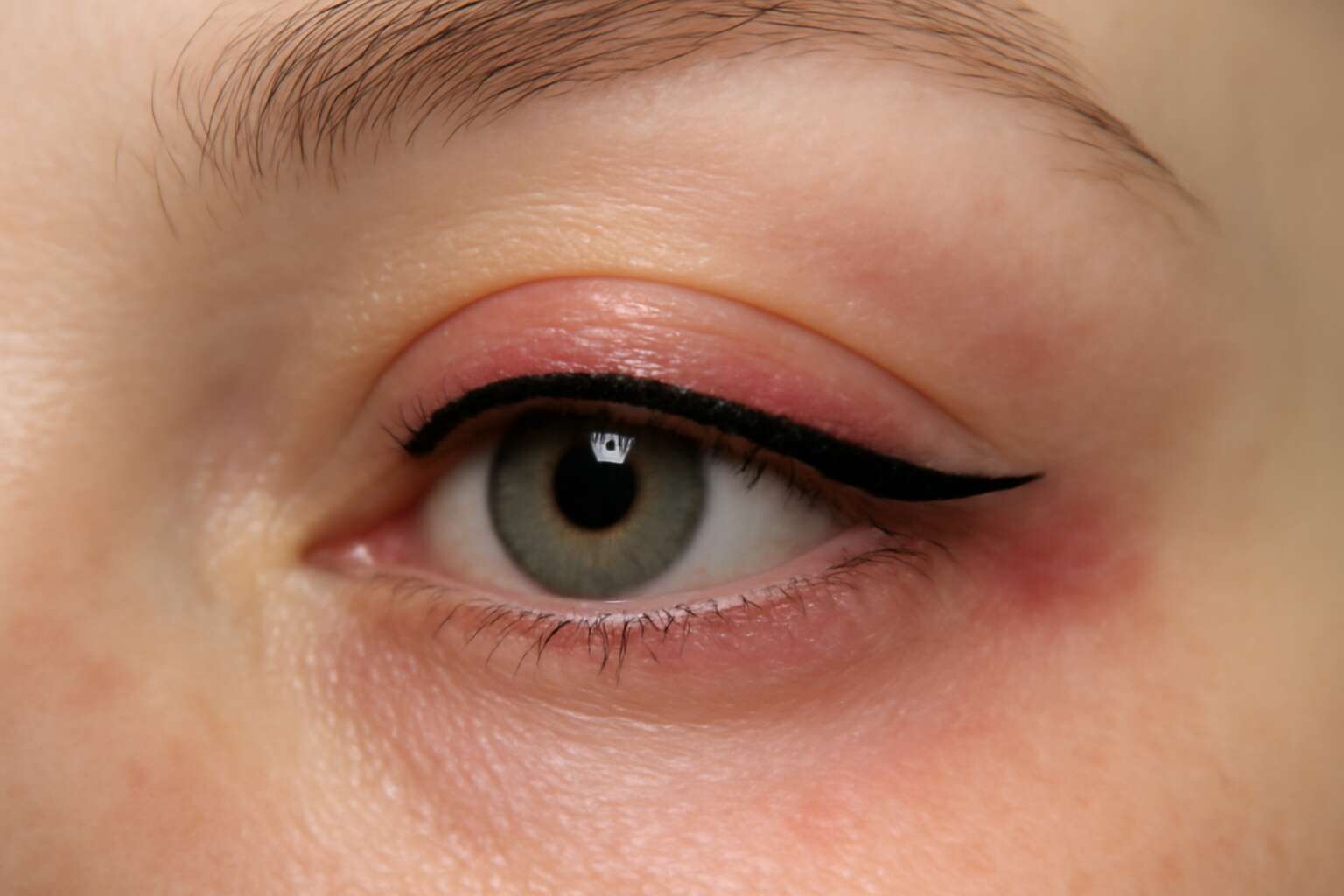
To know what qualifies as an infection after a cosmetic tattoo, watch for signals that go beyond normal healing: spreading redness, warmth, swelling, or unusual discharge; a fever or swollen nodes near the jaw. If these signs appear, the condition shifts from irritation to infection and warrants professional assessment by someone familiar with eyelid anatomy and cosmetic procedures.
Understanding this spectrum helps preserve both artistry and health in the treatment room.
Common bacteria and pathogens linked to eye-area procedures
In a country where bold lash lines are a daily badge, eyeliner tattoo infection is the quiet shadow behind a seamless wing. The eye area—the eyelid margin—is unforgiving to careless tools, and pigment work becomes a study in biology as much as art.
Understanding eyeliner tattoo infection begins with knowing the usual suspects — bacteria and other pathogens that can take hold around the eye. Common culprits include:
- Staphylococcus aureus
- Staphylococcus epidermidis
- Pseudomonas aeruginosa
- Propionibacterium acnes
From contaminated equipment to hurried touch-ups, risks are shaped by sterilization, studio culture, and the delicate anatomy of the eyelid. In the South African beauty scene, where high demand meets high standards, awareness is essential to keep the line clean and the art alive.
How the healing timeline can signal trouble
In a country where bold lash lines are a daily badge, the healing timeline for eyeliner tattoo infection can reveal a tale as vivid as the pigment. A South African survey suggests up to 60% notice redness within 24 hours, reminding us that the eye area demands patient care.
Trust the timeline—it’s a quiet diagnostic. Within 48 hours, mild swelling is common, but persistent warmth, increasing redness, or new discharge signals trouble.
- Redness that spreads beyond the lid margin
- Persistent warmth or tenderness
- Unusual discharge or crusting
- Color changes in pigment or patchiness
In South Africa’s busy studios, awareness keeps beauty safe; the risk of eyeliner tattoo infection is minimized when sterilization is respected and anatomy is honoured in practice.
Impact of aftercare on reducing infection risk
“Eyes deserve a harbor, not a storm,” a South African studio lead likes to remind clients, because the line between art and eyeliner tattoo infection is a quiet whisper. In the glow of pigment, healing unfolds—small swells and soft warmth telling a story of care. Bold lash lines meet a demand for patient aftercare that respects the eye’s delicate map.
Understanding how aftercare shapes risk means following unseen threads—sterilization, anatomy, and consistency. When standards are upheld and anatomy is honoured in practice, the odds tilt toward safety.
- Sterilization standards
- Quality pigments and placement
- Client health and skin sensitivity
These elements form a quiet shield that keeps the glow safe, reducing eyeliner tattoo infection.
Symptoms and Early Warning Signs
Immediate post-procedure symptoms to monitor
Across South Africa’s clinics, the first 72 hours after an eyeliner tattoo are when signals whisper rather than shout. Up to one in five clients notice unusual eyelid sensitivity in this window, a reminder that eyeliner tattoo infection can masquerade as ordinary irritation. Subtle redness, a stubborn ache, or a heavy eyelid deserves attention rather than dismissal.
Watch for these early warning signs:
- Redness spreading beyond the lash line
- Swelling that grows after the first day
- Tenderness or throbbing around the eyelid
- Crusting or discharge that won’t clear
- Irritation that feels gritty or creates watery eyes
Recognizing eyeliner tattoo infection as a potential early signal can shape conversations about aftercare and monitoring.
Signs that require medical evaluation
Across South Africa’s clinics, up to one in five clients notice unusual eyelid sensitivity in the first 72 hours after an eyeliner tattoo. Those signals whisper rather than shout, a reminder that eyeliner tattoo infection can masquerade as ordinary irritation. If redness creeps beyond the lash line or the lid feels heavy by day two, you’re not imagining things.
Watch for early indicators that push you toward medical evaluation:
- Persistent eye pain or light sensitivity that worsens
- Warmth along the eyelid or a creeping heat sensation
- Pus-like discharge or crusting that thickens
- Fever, fatigue, or a general sense of being unwell
- Blurred vision or new tearing not linked to allergies
Early recognition can shape the ongoing aftercare conversation and steer the response before this eyelid drama escalates.
Dangers of delayed treatment and complications
Into the quiet architecture of the eyelid, a minor flare can become a storm. Eyeliner tattoo infection whispers rather than shouts, and delaying care can morph a mild irritation into something more menacing. The term eyeliner tattoo infection captures a spectrum—from subtle tenderness to swelling that simply won’t settle.
Left unchecked, what begins as a local irritation can spread to surrounding tissues, inviting cellulitis or deeper involvement of the eyelid structures. The consequences—keratitis, scarring, or pigment irregularities—underline how quickly trouble can compound. Even brief episodes of fever or fatigue may accompany a serious eyeliner tattoo infection.
- Spread to adjacent tissues or deeper eye structures
- Corneal irritation or keratitis affecting clarity of vision
- Persistent scarring or pigment irregularities
Preventing Infections: Best Practices
Choosing a licensed professional and sterile tools
In the realm where ink and eyelid meet, hygiene is the quiet spell that guards beauty. South African studios report infection rates far lower when licensing and sterile tools are non-negotiable, with eyeliner tattoo infection kept at bay by discipline and care.
Choosing a licensed professional and sterile tools is the first shield. A practitioner with valid registration, documented training, and a studio that openly guards hygiene builds calm, confident trust, and reduces risk.
- Licensed practitioner with verifiable credentials
- Sterile, single-use disposables
- Clean, dedicated treatment space
Cleanliness extends to packaging: unopened packs, proper storage, and careful handling. These cues reflect a commitment to safety that protects both art and vision in South Africa.
The tale ends with assurance rather than glitter: safety, expertise, and a respect for the patient as much as the pigment.
Pre-care and aftercare routines
In South Africa, the quiet truth about eyeliner tattoo infection is this: when pre-care is deliberate, the risk retreats and beauty stays intact. Hygiene, not glare, becomes the first line of defense, turning caution into confidence.
Pre-care is the shield. Verify licensure, disclose medications, and avoid eye makeup or retinoids 24 hours before. A clean face primes both artist and pigment for a calmer, more graceful result.
- Patch test for allergies and sensitivities.
- Avoid eye makeup, lash extensions, and heavy creams pre-session.
- Share current medications that affect bleeding or healing.
- Choose a studio with sterile, single-use disposables and a clean space.
Aftercare is the quiet chorus that preserves the moment: gentle saline cleansing, hands off the area, no swimming or saunas, and using only products approved by the practitioner.
Cautions about products and cosmetics around the eyes
Eyes don’t lie, but they do deceive—especially when glamour meets questionable products. The eyeliner tattoo infection risk isn’t about the ink alone; it’s about what you bring into the eye zone. A stray fragrance, an expired mascara, or a shared brush can turn chic into chaos in a heartbeat, even in a controlled studio glow.
- Fragrance-heavy formulas near the eye can irritate sensitive skin
- Expiry dates can slip by without notice around the eye area
- Shared tools and non-sterile applicators invite a microbe fiesta
- Labels often hide irritants near the eye, from fragrances to preservatives
Smart caution translates into lasting clarity in the mirror. When the eye gear is chosen with care, the pigments keep their story, and your look remains a quiet triumph over chaos.
When to skip activities during healing
Healing after an eyeliner tattoo is a backstage pass to patience. In SA’s realm of cosmetic tattooing, prudent practice minimises exposure to anything that could feed eyeliner tattoo infection. The most durable defense is quiet vigilance: watch for unusual redness, swelling, or discharge rather than assuming it will fade with pigment alone. When the eye area misbehaves, soften the glam tempo and prioritise rest over routine maintenance.
- Moisture and steam near the eyes (swimming, saunas, hot workouts) can macerate the skin.
- Irritants and fragrances in products near the eye can trigger inflammation.
- Non-sterile tools or shared applicators invite microbes.
If healing signals shift or you notice a wobble in calm, a professional evaluation becomes a prudent step.
Treatment Options and When to Seek Help
Self-care vs medical treatment for suspected infections
Treatment options for cosmetic eye-area infections range from careful self-care to professional intervention. In the earliest phase, I’ve seen the body calm itself with rest, gentle cleansing, and avoiding irritants around the eye. When symptoms linger or intensify, a clinician may evaluate for bacterial involvement and discuss appropriate therapies. In South Africa, clinicians emphasize eye safety and prompt evaluation when infection is suspected.
If eyeliner tattoo infection is suspected, medical input becomes wise, particularly for contact lens wearers, immune concerns, or a history of skin reactions.
- Significant redness that spreads beyond the tattoo
- Pain, swelling, or discharge
- Fever or vision changes
In all cases, trust the eye’s delicate balance and pursue professional guidance rather than unilateral home remedies.
Antibiotics and other prescriptions: what to expect
When eyeliner tattoo infection surfaces, treatment aims to restore calm rather than alarm the eye. A clinician may start with topical antibiotic drops or ointments and, in deeper cases, prescribe oral antibiotics. Anti-inflammatory drops and meticulous hygiene can accompany prescriptions. In South Africa, eye-health professionals emphasise prompt input to protect vision and prevent scarring; the eye is a delicate beacon, not a battlefield.
Expect a clear plan from your clinician:
- Topical antibiotics or antibiotic ointments for surface bacteria
- Oral antibiotics when deeper tissue is involved
- Follow-up checks and, if needed, culture tests
Seek help immediately if redness spreads beyond the tattoo, increasing pain, fever, or vision changes.
When to consider laser or revision procedures
Treatment options for eyeliner tattoo infection pivot on calm, controlled care and careful assessment. Clinicians in South Africa weigh pigment depth and tissue response, guiding patients from conservative observation to more definitive measures when needed.
- Laser pigment reduction to soften color and blur sharp lines
- Revision procedures to refine thickness, direction, and symmetry
- Structured follow-up to monitor healing and minimize scarring
When to seek help: if redness spreads beyond the tattoo, pain intensifies, fever appears, or vision changes, seek urgent input. Eyeliner tattoo infection deserves prompt professional evaluation to safeguard sight and prevent lasting marks.
Recovery timeline and precautions to protect the eye
South African clinics manage pigment changes after cosmetic eye-area work with options ranging from lightening to refined contour tweaks, guided by pigment depth and tissue response. Clinicians start with calm, controlled care to ease inflammation and protect the eye. In stubborn cases, laser lightening or revision may be considered to restore balance.
For patients, eyeliner tattoo infection benefits from prompt professional evaluation and structured follow-up as healing proceeds.
- Recovery timelines vary, with redness fading over days to weeks.
- Protect the eye by avoiding rubbing and skipping eye makeup until healing completes.
- Follow-up appointments help monitor healing and minimize scarring.
Seek urgent input if redness worsens beyond the tattoo, pain escalates, fever appears, or vision changes occur.

0 Comments