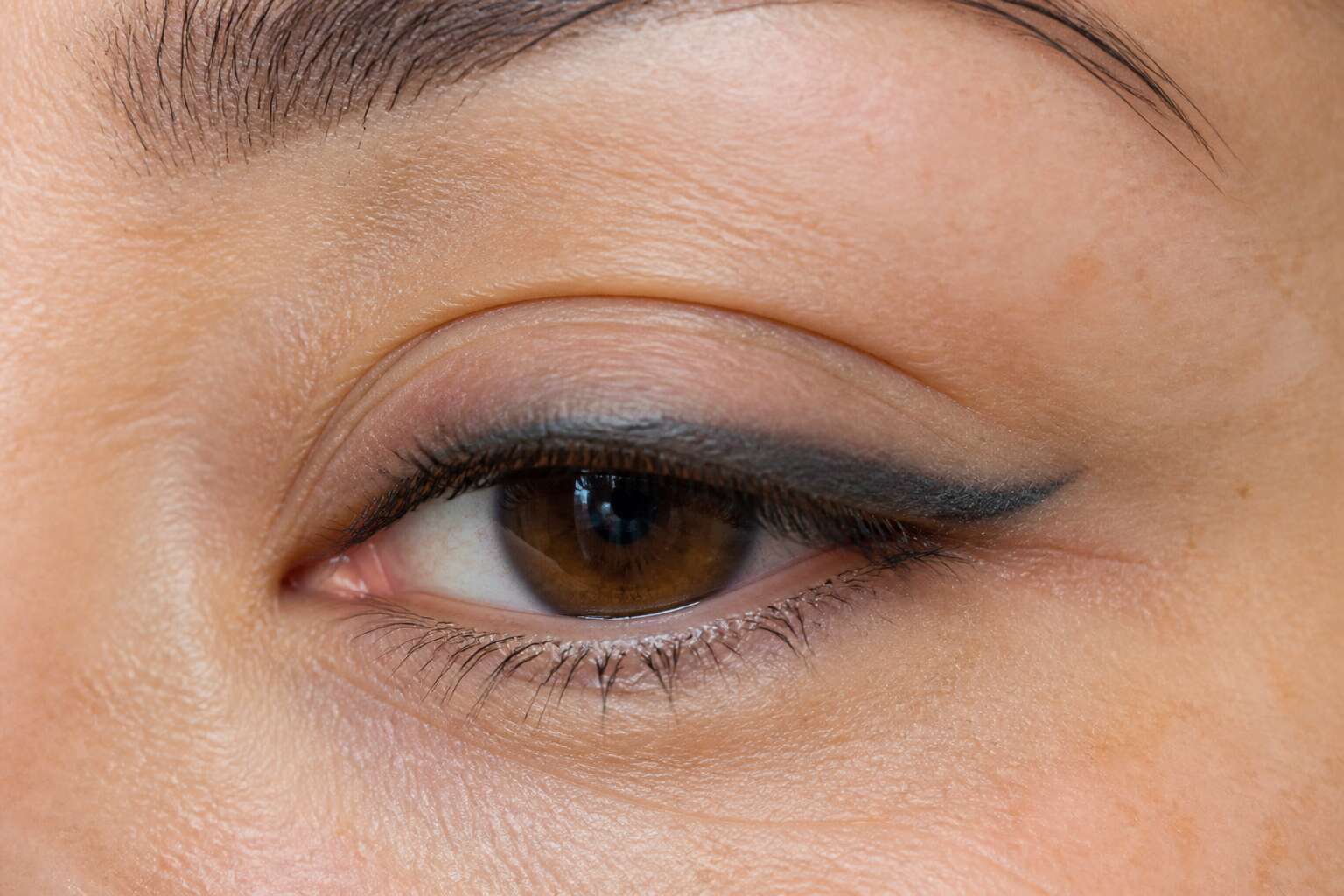
The Lifespan of Permanent Eyeliner
What Determines How Long It Lasts
Within two years, most permanent eyeliner fades to forty percent of its original intensity. The way an eyeliner tattoo aged depends on several biological and behavioral factors.
- Natural cell turnover pushes dark pigment toward the surface.
- South African ultraviolet light breaks down black ink faster than cooler climates.
- Frequent eye rubbing near the lash line accelerates pigment loss.
Cell turnover and oil production act from beneath the skin. Sun exposure and eye rubbing act from the outside. A touch-up after six weeks resets some fading, yet in my experience, the dermis dictates the final timeline.
Typical Fading Timeline
By the time a client sees her third winter in Cape Town, the eyeliner tattoo aged more than any brochure predicts. The line loses its crisp definition around month eight. What remains is a soft, grey trace that still frames the eye but lacks the original precision.
- Month one: pigment sits fully saturated.
- Month six: the dermis stabilises and the true shade appears.
- Month twelve: intensity drops to roughly seventy percent.
- Month twenty-four: the edge thins and tiny gaps emerge.
After thirty months, the eyeliner tattoo aged into a faint shadow, particularly on oily eyelids common in subtropical regions. This is the point where an eyeliner tattoo aged past its prime. Most clients notice the shift when their mascara routine no longer aligns with the faded line.
The Role of Skin Type and Age
The dermis remembers its wounds. A twenty-five year old heals pigment differently than a sixty year old, whose collagen has thinned with age. Oily skin in Durban’s humidity breaks down pigment faster than dry skin in the Karoo. Every eyeliner tattoo aged on its own schedule, governed by melanin activity and hormonal shifts.
I have seen this play out in my studio, and the variation never ceases to surprise me! Here are the visible markers:
- Premature blurring before month six
- Green-grey undertones appearing after eighteen months
- Patchy fading along the lash line
Age dictates the depth of pigment retention. Mature skin holds less ink because cellular turnover slows, yet once settled, it resists fading longer. A younger client with combination skin may see her eyeliner tattoo aged into a faint shadow by year two, while her mother’s remains startlingly defined.
Why Some Pigments Fade Faster
Carbon black fades first. Iron oxide stays. That is the simplest truth about pigment chemistry!
Pigment molecules are not all equal. The body treats them as foreign matter. Smaller particles, like those in carbon-based blacks, are engulfed by macrophages within months. Larger iron oxide particles resist this cellular cleanup. They sit in the dermis for years.
The eyeliner tattoo aged by its pigment type more than by anything else. A technician who uses a blended pigment creates a grey shadow. One who uses a pure iron oxide line keeps it crisp. I check my clients’ old work before I tattoo over it. The colour tells me exactly what was used.
How Time Transforms the Look
Color Shifts and Undertone Changes
Three years after the procedure, an eyeliner tattoo aged with a quiet dignity. The crisp, onyx stroke that once framed the lash line softens into a shade of charcoal, then settles into a muted grey with a hint of sepia. This transformation is not a flaw; it is the result of the body’s own chemistry working upon the foreign particles. The skin’s natural turnover gradually pushes the pigment away from the dermal layer, while sunlight and skincare acids nibble at the molecules, reducing their density.
As the colour shifts, so does its undertone. Where the original pigment may have been a true black, the aged ink often leaks a cool blue or green tint beneath the skin’s surface. This happens because the carbon-based particles fade faster than the coloured additives, leaving behind a residue that reflects light differently in the Cape Town sun. A fair-skinned client might see a lavender cast, whilst a deeper melanin base may reveal an ashen, smokey hue. This is the chemistry of the fade, a process that respects no skin type.
The composition of the ink dictates the final drama. Inorganic iron oxides tend to rust into a warmer russet, while organic carbon breaks down into a cooler slate. The result is a spectrum of shadow that can look surprisingly natural, almost like a lived-in smudge. If you are weighing the permanence of pigment, this is the moment to understand the trajectory, not the immediate reveal.
Blurring and Spread of Pigment
Time does more than strip pigment of its intensity. It rearranges the pigment itself. The immune response gradually pulls ink particles apart, and they drift into the surrounding tissue. As the particles disperse, the once precise border of an eyeliner tattoo aged into a soft haze. The longer the ink sits, the stroke softens into a diffuse blur. I have seen this happen.
Three visible signs emerge as years pass:
- The edges lose their definition
- The stroke widens slightly
- Patches of density appear where pigment clumps
The spread is not uniform. It depends on ink depth: pigment placed too shallow disperses quickly; too deep holds shape but risks blurring over years. Around the lash line, each blink, each skincare application, each day of sun exposure nudges the particles further. The result is a continuous drift, not a static finish.
The Effect of Skin Laxity on the Original Line
Skin relaxes more than most people expect. An eyeliner tattoo aged in a young face will sit differently in the same face decades later. The upper lid’s tissue stretches, and the original line follows that movement.
Skin laxity distorts the stroke without erasing it. The line pulls downward, settles into fine wrinkles, or compresses against the lash root. I notice this shift most often in clients past their mid forties.
Several forces accelerate the distortion:
- Loss of elastic fibers in the dermis
- Mechanical stretching from habitual eye rubbing
- Thinning of the orbital fat pad
Impact of Sun Exposure on Tattoo Aging
Sun exposure rewrites an eyeliner tattoo aged under the African sun. Ultraviolet radiation fragments pigment particles in the dermis, turning crisp black strokes into muted grey or faint blue. The damage does not stop there. Repeated exposure thickens the skin’s outer layer, which scatters light and makes the line look softer than it once was.
I notice this most in clients who garden, hike, or drive with the windows down.
- Pigment particles break apart at different rates.
- The surrounding collagen structure stiffens and loses bounce.
- Fine dehydration lines trap ink in tiny channels.
These forces compound over time. The eyeliner tattoo aged in a sun conditioned face becomes unpredictable, more textured, and less defined than the original appointment ever suggested.
Recognizing Common Aging Problems
Patchy or Uneven Fading
Patchy fading is the clearest warning sign that your eyeliner tattoo aged unevenly. The pigment vanishes in irregular zones, leaving bare skin along the lash line. I see this most often at the inner corner, where tears continuously wash the pigment away. The outer edge usually holds, simply because it receives less moisture and friction. Clients often suspect poor artistry, but the cause is biological.
- Sparse pigment near the tear duct
- Micro gaps that widen each month
- Hard edges where colour stops abruptly
These patterns show exactly where your skin expelled the ink. Recognising them early lets a technician judge whether a conservative top-up will work. An eyeliner tattoo aged with such unevenness demands careful documentation, so photograph your eyes in daylight before any consultation.
The Blue or Grey Tint Problem
The blue or grey tint is the most common cosmetic tattoo regret. It happens when black pigment drifts too deep into the dermis. Collagen mutes the warmth, leaving a slate colour that no amount of blending can fix. Skin chemistry drives this shift, not just the artist’s hand. An eyeliner tattoo aged this way shows a specific palette.
In harsh afternoon sun, the line turns icy rather than dark. You might also notice:
- A bluish shadow settling along the lash line.
- Fine lines taking on a grey haze.
- The original crispness dissolving into a blurred smear.
These signs point to pigment migration, not simple fading. The colour shift is permanent without corrective measures.
When Pigment Migrates Outside the Boundary
An eyeliner tattoo aged into its rebellious phase can relocate pigment to places you never approved. Instead of a crisp lash line, you may spot a faint charcoal ghost creeping toward the brow bone. That boundary violation is not mere fading. It is pigment drift, and it reshapes the eye’s geometry without permission.
Common signs include:
- A soft shadow pooling at the outer corner.
- Tiny pigment specks scattered like stray ink dots.
- A second line forming above the natural lash edge.
These patterns often emerge when the original stroke was placed too superficially, or when skin laxity pulls the design outward over time. The result is a map of your ageing process drawn directly on your eyelid.
Is It Time to Seek Professional Evaluation?
An eyeliner tattoo aged over several years will never look exactly as it did on day one. Some change is expected. But when you notice dramatic shifts in shape, colour, or sharpness, it often signals a problem that home observation cannot fix.
I have seen clients in Johannesburg who waited too long, assuming their blurring line was simply part of the process. Sometimes it is. Other times, the pigment has settled into deeper skin layers, altering the original shape!
During a professional assessment, your practitioner will examine:
- The depth of remaining pigment across the lid
- Whether the skin around the eye has changed texture
- If a correction or removal procedure is realistic
Your practitioner can determine whether an eyeliner tattoo aged predictably or needs intervention.
Skincare and Habits to Protect the Tattoo
Ingredients That Can Accelerate Fading
Most women don’t realize that their nightly skincare routine can damage an eyeliner tattoo aged with care. Retinol and glycolic acid penetrate deeply, breaking down pigment molecules beneath the dermis. Even gentle physical exfoliants, when used daily, create micro-abrasions that accelerate fading. Oil-based cleansers dissolve the binder that holds colour in place, while harsh astringents strip the skin’s protective barrier. Consider these habits that damage permanent makeup:
- Rubbing or pulling the eyelid when removing mascara
- Applying chemical peels close to the lash line
- Using cotton pads soaked in toner directly on the tattoo
Your eyeliner tattoo aged less visibly when you pat products on the lid. Never wipe or rub. Switch to fragrance-free formulas. Stop using any acid-based serum within a centimetre of the line. These small changes preserve the ink’s integrity for years longer.
Sunscreen and the Eye Area
South African sunlight demands respect, and the eye area remains fully exposed. An eyeliner tattoo aged under daily UV fades faster, yet the corrective habit feels contradictory. Sunscreen protects the skin, but its oily base can loosen the pigment binder near the lash line. Women face two threats: sun damage and product damage.
Physical blockers like zinc oxide sit thickly on the delicate eyelid skin, leaving white residue along the line. Chemical filters sting when perspiration carries them toward the eye. The pigment, conditioned by this constant trade-off, develops a dull, hazy quality that mirrors the skin’s own fatigue. No skincare routine removes this tension; it only shifts the balance.
Gentle Cleansing and Exfoliation Concerns
The morning cleanse carries hidden risk for an eyeliner tattoo aged beyond its first year. The pigment sits in the upper dermis, and aggressive rubbing loosens the bond between pigment and collagen. Microfiber cloths and sonic brushes drag across the lash line with more force than the skin can safely absorb.
Eyelid skin measures thinner than almost anywhere else on the body. Exfoliating acids, even those labeled gentle, generate a shedding response. When that response reaches the tattoo boundary, it removes the dead cells that hold pigment in place. The line loses its crisp edge, the hallmark of an eyeliner tattoo aged under abrasive care.
Cleansing products with active enzymes stop well short of the eye area in careful routines. Water temperature matters too. Hot water softens the epidermis where pigment can leach out. Warm water, applied with fingertips along the natural curve of the lid, preserves the tattoo.
The Do’s and Don’ts of Eye Makeup Over Aging Tattoos
Eye makeup over an eyeliner tattoo aged past its prime demands a different approach than fresh pigment. Cream formulas glide across the lid without dragging the skin, while powder shadows can settle into micro-cracks left by pigment migration. I always tell clients to check their brushes. Stiff bristles disturb the collagen boundary where the pigment rests.
- Choose oil-free removers. Oils break down the pigment bond over time.
- Apply liner one shade lighter than the tattoo. This masks blurring without creating a harsh contrast.
- Retire old mascara after three months. Bacteria accelerate skin breakdown near the tattoo.
Habits matter more than products. Avoid the urge to rub when removing stubborn glitter. Press a cotton pad soaked in micellar water against the lid for ten seconds, then swipe once. An eyeliner tattoo aged under these conditions keeps its structure far longer than one subjected to daily friction.
Refreshing the Look: Touch-Up Essentials
Signals That You’re Ready for a Touch-Up
After years of wear, your eyeliner tattoo aged into something subtler than the crisp line you first had. The stroke no longer frames your eye the way it used to. You might find yourself reaching for pencil liner every morning to rebuild the definition that once came free. That is the first signal.
Other signs include a fading tail that disappears into the skin, or a line that looks broken under magnification. When an eyeliner tattoo aged to this point, a touch-up becomes less about vanity and more about maintenance. The essentials for a successful refresh session:
- Bring a photo of the original result for reference
- Confirm your technician uses the same pigment family
- Allow six weeks of healing before judging the final outcome
The refreshed line will settle differently over time, just as the original did.
How to Choose a Qualified Permanent Makeup Artist
The moment you accept that your eyeliner tattoo aged into a soft shadow, priorities change. The refresh is about restoring structure, not reliving the original photo!
Start with three essentials: a picture of the first result, the same pigment family from your technician, and a six week healing period before you evaluate anything. These protect you from impulse decisions.
For finding a qualified permanent makeup artist, do not rely on fresh work alone. Ask for healed photographs from clients with comparable skin tones. A professional who hides those images is avoiding accountability.
Check these boxes before you book:
- Confirm sanitation standards for the needle setup
- Request a patch test on your inner arm
- Discuss how they handle pigment spread on loose eyelids
The right artist understands your eyeliner tattoo aged as a factual starting point. They work with what remains, not what you wish for!
What a Color Correction Session Involves
In a colour correction session, the technician works with residual pigment, not against it. A warm brown neutralises a grey tint, and a deeper shade restores presence without widening the line. The session typically runs about half the length of the original application.
Touch-up essentials begin with honesty about your skin. For two weeks beforehand, avoid retinols around the eye area. On the day, arrive with a clean face and a picture that shows how your eyeliner tattoo aged. I tell clients to use daylight photos only. This reference gives the technician real information about pigment movement.
- Your previous pigment formula helps match undertones.
- Numbing cream is applied after the shape is mapped.
- Swelling settles within hours, not days.
Colour correction is not about reliving the first appointment. It addresses the grey shift and patchy fading that surface as your eyeliner tattoo aged. A skilled professional layers pigment slowly, waiting between passes to see what the skin accepts. That restraint separates an improved line from a heavier mistake.
Preparing for Your Touch-Up Appointment
Your skin remembers everything. The retinol from last month, the sun exposure on your Durban holiday, the nightly eye rubbing. All of it surfaces at your touch-up appointment! A successful refresh depends on honest preparation.
- Retinol and glycolic acid should be paused two weeks prior
- Lash extensions need to come off before the session
- Daylight photos of how your eyeliner tattoo aged are essential
Your artist needs to see pigment movement, not guess at it. Indoor lighting hides grey undertones and blurring. Daylight reveals what your eyeliner tattoo aged into.
Arrive with a bare lash line and a list of current medications. I always ask about blood thinners. They alter how skin accepts pigment. The session itself runs shorter than the original. Preparation determines whether that refreshed line holds for years.
Aftercare for Long-Lasting Results
The touch-up hurts less than the original. Longevity depends entirely on what you do after leaving the chair. Most clients assume the hard part is over. It is not!
Day one through three decides everything. How your eyeliner tattoo aged previously usually traces back to neglected aftercare. The refreshed pigment needs protection while the skin seals.
I tell every client the first week demands this:
- Keep the line dry. No water during washing.
- Apply balm with a clean cotton bud, not fingers.
- Skip eye makeup for seven days.
- Sleep on your back to avoid pressing the pigment.
The line will look bolder than intended for a few days. That is normal. By week two, the true shade emerges. Sunscreen becomes your daily ritual. Protect the refreshed work with the same discipline used during healing. That is the difference between a touch-up that lasts and one needing revisiting within months.
Beyond Touch-Ups: Removal and Revision
Laser Removal for Old Eyeliner Tattoos
An eyeliner tattoo aged poorly can leave a person looking permanently tired or angry. When an eyeliner tattoo aged past the point of simple correction, it often blurs into an indistinct line. Touch-ups only compound the problem. In my experience, clients wait too long before considering laser removal.
The laser fragments pigment particles so the lymph system flushes them away naturally. Success depends on pigment color and depth:
– Black and dark brown respond best.
– Light or oxidized tones are stubborn.
– Most clients need three to six sessions, spaced weeks apart.
A medical practitioner should perform the procedure, never a beauty salon. In South Africa, dermatology clinics with proper laser equipment are easy to find in major cities. A consultation covers pigment color, skin type, and healing history. A patch test is standard practice before the first full session.
Saline and Other Non-Laser Removal Methods
For many women, an eyeliner tattoo aged beyond recognition becomes a daily source of frustration. Laser is not the only way out. Saline removal offers a chemical alternative that lifts pigment without heat. The technician applies a saline solution to the skin, drawing the ink to the surface as the area scabs. People often choose this route when the ink is light or contains ingredients that lasers cannot touch. A typical session costs less than laser, but healing takes longer and results appear gradually across several visits.
Other non-laser strategies tackle stubborn pigment with targeted ingredients. Glycolic acid and rejuvi solutions work on the same principle, forcing the body to expel the dye through the wound healing process. Scarring is a real risk if the technician presses too hard. Clients should see someone trained in pigment removal, not a general beautician. Johannesburg and Cape Town have clinics that specialise in this field. Before any procedure, ask to see healed photos of previous clients. The right candidate for saline removal usually has:
– Fine lines that have not spread deeply into the dermis
– Pigment that has oxidised to a grey or blue tone
– Skin that has shown sensitivity to laser in the past
An eyeliner tattoo aged this way needs a patient approach. Several sessions, spaced six to eight weeks apart, are typical. Do not expect perfection. What you gain is a faded base that is easier to cover with makeup.
Cover-Ups and Pigment Adjustments
The decision to revise rather than remove arises when an eyeliner tattoo aged unfairly. A cover-up tattoo, shaded to match the natural skin tone, can mask the old line without a full erasure. Pigment adjustments work on a similar logic. The technician neutralises the unwanted tone first, then applies a fresh layer over the top.
In my experience, a skilled artist assesses the existing pigment before choosing a strategy. For an eyeliner tattoo aged to grey or blue, an orange or peach corrector is often the first pass. For stubborn lines, a revision might involve:
- A slightly thicker line that conceals the original
- A brown blend that softens the harsh black
- A lash line enhancement that redirects the eye
The result is not a perfect erasure. It is a deliberate correction, a line suited to the skin as it is now. Clinics in Johannesburg and Cape Town offer these services; a consultation determines the realistic outcome.
Weighing the Cost of Removal vs. Refreshment
Three removal sessions can cost more than the original procedure, and that is before healing time. An eyeliner tattoo aged poorly often prompts a rushed search for erasure. Removal and refreshment are separate paths, each with its own toll.
Removal demands patience. Saline and laser rely on the body to process fragmented pigment, which means weeks between sessions and a period where the skin looks worse before it improves. Revision offers immediate wearability. The trade-off is permanence; you commit to a new line rather than returning to a blank lid.
Weigh these variables:
- Skin elasticity and its response to trauma
- The depth and density of the original pigment
- Tolerance for a visible transition period
An eyeliner tattoo aged to a soft grey may need only a warm overlay. A dense black line spread beyond its border may resist every corrective attempt. I have seen clients choose removal for the finality it offers. Others choose revision for practicality. Neither is wrong.

0 Comments